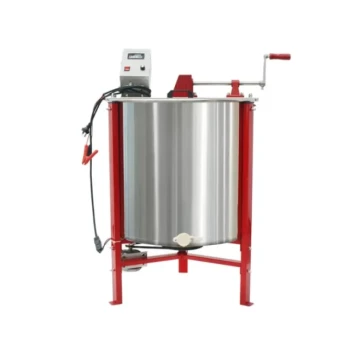
The cleaning schedule for a honey extractor is dictated by your harvesting frequency. Generally, the machine should be thoroughly cleaned immediately after your final extraction of the season. If you process multiple batches throughout the year, you should clean it after each use, unless you plan to use it again within a window of 5 to 7 days.
Core Takeaway Never store a honey extractor for long periods without a thorough cleaning. Residual honey is acidic and can corrode the machine over time, while leftover sugars will inevitably attract ants and pests.
Determining Your Cleaning Schedule
The Single Harvest Scenario
If you only harvest honey once a year, your maintenance schedule is simple. You must perform a deep clean immediately after the extraction is finished. This prevents residue from hardening and protects the unit during its long off-season storage.
The Consecutive Harvest Rule
For beekeepers with multiple hives or staggered harvests, full washdowns between every session may be inefficient. If you intend to use the extractor again within 5 to 7 days, a full cleaning is not strictly necessary.
The "In-Between" Protocol
During that 5-7 day window, you do not need to wash the unit, but you must protect it. Ensure the extractor is covered or sealed to keep dust and insects out while the interior remains sticky.
Pre-Season Inspection
Regardless of how well you cleaned it last year, you must perform a quick check before the first use of the new season. This ensures no dust has settled inside and that the mechanism rotates freely before you load heavy frames.
Why Timely Cleaning Matters
preventing Material Degradation
Honey is naturally acidic. If left sitting on the components for months, this acidity can damage the machine, even if it is made of stainless steel. Prompt cleaning neutralizes this risk and extends the service life of the unit.
Pest and Mold Control
Sweet residue is a magnet for ants and other insects. Furthermore, unwashed equipment combined with trapped moisture can foster the growth of bacteria and mold, which would contaminate future harvests.
Understanding the Trade-offs
Efficiency vs. Hygiene
There is a balance between efficiency and cleanliness during the busy season. Washing the extractor involves disassembly and significant drying time. If you wash it too frequently (e.g., between daily batches), you lose valuable production time; if you wait too long (past 7 days), you risk fermentation and attracting pests.
The Drying Imperative
A "clean" extractor that is put away wet is worse than a dirty one. After washing with warm soapy water, you must allow the unit to air dry completely—often for a day or two—before reassembling. Storing it damp invites rust and mold, negating the effort of the cleaning process.
Making the Right Choice for Your Goal
To maintain your equipment and ensure high-quality honey, align your cleaning habits with your harvesting workflow.
- If your primary focus is Long-Term Equipment Preservation: Perform a deep clean and thorough dry immediately after the last use of the season to prevent acidic corrosion and rust.
- If your primary focus is Harvest Efficiency: Skip the deep clean between batches if they are less than a week apart, provided the extractor is kept covered and sealed.
A clean extractor is not just about hygiene; it is an investment in the longevity of your tools and the purity of your honey.
Summary Table:
| Harvesting Scenario | Recommended Cleaning Frequency | Maintenance Action |
|---|---|---|
| Single Annual Harvest | Immediately after use | Deep clean and thorough drying before long-term storage |
| Consecutive Harvests | Every 5-7 days | Keep unit sealed/covered between uses; wash after final batch |
| Off-Season Storage | Once per year (Post-harvest) | Full disassembly, warm soapy wash, and 48-hour air dry |
| Pre-Season Start | Before first use | Inspect for dust, mold, and ensure smooth rotation |
Maximize Your Harvest Efficiency with HONESTBEE
Maintaining your equipment is vital, but having the right tools for the job is where true productivity begins. HONESTBEE specializes in supporting commercial apiaries and distributors with high-performance honey extractors, honey-filling machines, and a full spectrum of beekeeping hardware.
Whether you are scaling your honey production or looking for durable consumables that withstand rigorous cleaning schedules, our wholesale offerings provide the reliability your business demands.
Ready to upgrade your apiary equipment? Contact us today to discover how HONESTBEE’s professional machinery and cultural merchandise can enhance your brand's value.
Related Products
- HONESTBEE 72 Frame Industrial Electric Honey Extractor for Beekeeping
- Commercial Electric 12 Frame Honey Extractor Spinner Motorized Honey Extractor
- HONESTBEE 3-Frame Manual Acrylic Honey Extractor
- electric honey extractor honey centrifuge 3 frame honey extractor stainless steel honey frame extractor
- HONESTBEE 6 Frame Self Reversing Electric Honey Extractor for Beekeeping
People Also Ask
- What is the importance of balancing honeycomb frames within a honey extractor? Ensure Stability and Protect Machinery
- How is honey separated from the frames after they are uncapped? Efficient Extraction Methods for High Yields
- What are the main benefits of using a honey extractor? Maximize Yields and Protect Your Honeycomb
- What are the recommended methods for removing honey from the honeycomb? Top Extraction Techniques for Maximum Efficiency
- How do manual honey extractors compare to electric honey extractors? Choosing the Right Tool for Your Apiary Growth