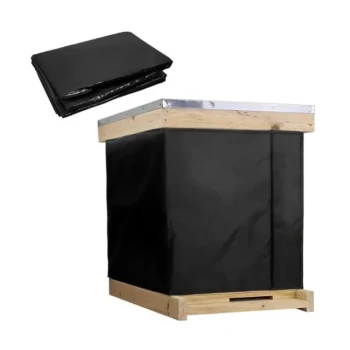
Beehive insulation strategy requires a distinct pivot based on climate severity. In bone-chilling environments, your priority must be trapping heat and shielding against wind to preserve the colony's energy. Conversely, in mild climates, the focus shifts entirely to managing moisture and using wicking materials to prevent condensation buildup.
While cold weather demands thermal retention to conserve bee energy, milder winters present a hidden danger in the form of dampness. Successful overwintering relies on recognizing whether your primary enemy is temperature loss or moisture accumulation.
Strategies for Bone-Chilling Climates
The Priority of Heat Retention
In severely cold weather, the primary function of insulation is to trap heat within the hive.
The colony relies on this retained heat to survive the harsh winter months.
By minimizing heat loss, you enable the bees to utilize their energy reserves optimally when spring arrives.
Buffering Against the Elements
Insulation in these climates must do more than just warm the hive; it must act as a physical buffer.
Specifically, the material should shield the colony against icy winds and cold air.
This protective layer prevents rapid temperature fluctuations that can deplete the colony's resources.
Strategies for Mild Winters
The Shift to Moisture Control
In milder climates, the threat changes from freezing temperatures to internal dampness.
Strategies here must prioritize keeping the hive walls dry rather than simply trapping maximum heat.
Excessive heat retention without moisture management in these conditions can lead to dangerous condensation levels.
The Role of Wicking Materials
To combat moisture, you must utilize insulation materials with specific physical properties.
These materials should excel at wicking away condensation.
By pulling moisture away from the interior surfaces, you ensure a dry environment that supports colony health.
Understanding the Trade-offs
Misaligned Priorities
Applying a "one-size-fits-all" approach to insulation is a common pitfall.
Using heavy, heat-trapping insulation in a mild climate may neglect necessary moisture wicking.
Conversely, focusing solely on moisture in a bone-chilling climate leaves the colony vulnerable to fatal energy loss.
The Wind Factor
Even with high thermal insulation, neglecting the wind barrier can be detrimental in cold climates.
Insulation that traps heat but allows icy wind to penetrate loses its effectiveness.
You must ensure your strategy addresses both ambient temperature and wind chill.
Making the Right Choice for Your Goal
To select the correct insulation strategy, you must assess the primary environmental threat your apiary faces.
- If your primary focus is survival in severe cold: Prioritize materials that trap heat and create a buffer against icy winds to preserve the colony's energy reserves.
- If your primary focus is overwintering in mild regions: Prioritize materials that wick away condensation to ensure the hive walls remain dry and free of moisture.
Match your materials to your climate to give your colony the best chance of thriving in the spring.
Summary Table:
| Climate Type | Primary Goal | Key Insulation Feature | Main Risk to Avoid |
|---|---|---|---|
| Bone-Chilling | Heat Retention | High thermal R-value & Wind buffering | Energy depletion & starvation |
| Mild | Moisture Management | Wicking properties & Breathability | Condensation & damp-related mold |
Maximize Your Apiary's Winter Survival with HONESTBEE
Whether you are managing a commercial apiary in the frozen north or distributing supplies in temperate regions, the right equipment is the difference between a thriving spring and a winter loss. HONESTBEE provides professional-grade solutions tailored to your climate's specific demands.
From high-performance insulation materials and specialized hive-making machinery to comprehensive honey-processing equipment, we support distributors and commercial beekeepers with premium wholesale tools and industry essentials. Let us help you optimize your operations and safeguard your colonies.
Ready to upgrade your inventory? Contact HONESTBEE today for a wholesale quote!
Related Products
- Professional Insulated Plastic Bee Hives
- Professional Insulated Winter Hive Wrap for Beekeeping
- Inner Beehive Cover for Beekeeping Bee Hive Inner Cover
- Stainless Steel Round Beehive Air Vents for Ventilation
- Metal Hive Feet Bee Hive Stand for Ant Protection
People Also Ask
- What are the advantages of plastic bee hives? Boost Efficiency & Durability for Your Apiary
- Are plastic bee hives any good? Unlock Durability & Efficiency for Your Apiary
- How do plastic bee hives compare to wooden hives in handling? Reduce Strain & Boost Efficiency
- Are plastic bee hives good? Durable, Low-Maintenance Hives for Modern Apiaries
- What are the disadvantages of plastic beehives? Key Operational and Environmental Risks Exposed