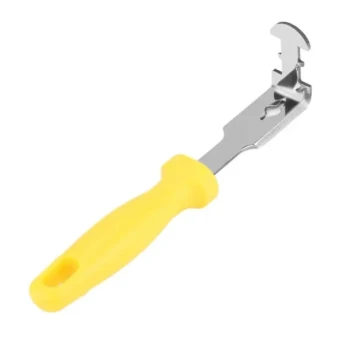
Commercial apiary operators should sanitize equipment by separating contaminated gear, removing organic material, disinfecting durable surfaces with an approved 500 ppm available-chlorine sodium hypochlorite solution, and destroying heavily infected comb when required. American Foulbrood spores are exceptionally persistent, while Chalkbrood spores can move between colonies on comb, tools, adult bees, mites, and debris. Sanitation must therefore be a repeatable biosecurity system across every hive, yard, vehicle, and service team.
The central rule is simple: clean first, disinfect what can be safely treated, and destroy porous equipment that remains a credible source of infection. Chemical sanitation supports disease control, but it cannot replace quarantine, comb replacement, moisture management, and strong-colony practices.
Build Sanitation Around Disease Transmission
Treat Contaminated Material as a Movement-Control Problem
Do not move suspect frames, honey, pollen, hive tools, or boxes freely between colonies or apiaries. Mark affected equipment, isolate it, and establish a one-way workflow from clean equipment to suspect equipment.
American Foulbrood can spread through contaminated honey and larval remains. Chalkbrood spreads through fungal spores carried on equipment and other surfaces, particularly when weak colonies experience cool, damp conditions.
Separate Clean and Dirty Workflows
Commercial crews should use clearly separated areas for dirty equipment, cleaning, disinfection, drying, and storage. Dedicated hive tools, gloves, feeders, or inspection equipment for affected yards can reduce cross-contamination.
Tools should be cleaned between hives whenever visible brood, honey, pollen, wax, or other organic debris is present. A tool that appears dry may still carry infectious material.
Control Equipment Movement Between Apiaries
Equipment should not be transferred from a diseased or uncertain colony into a healthy colony without documented treatment. Maintain basic records showing the equipment source, disease status, sanitation method, and date of processing.
This is especially important for distributors, wholesalers, and service operators handling replacement frames, hive bodies, feeders, and tools for multiple customers or apiary locations.
Clean and Disinfect Hive Equipment Correctly
Remove Organic Material Before Disinfection
Scrape wax, propolis, honey, pollen, brood remains, and mummified larvae from hive tools and hard surfaces before applying disinfectant. Organic material can shield pathogens and reduce the effectiveness of chemical treatment.
Cleaning water and debris should be managed so that contaminated material does not drain into areas used for healthy colonies, feed preparation, or equipment storage.
Use 500 ppm Sodium Hypochlorite for Suitable Surfaces
Hive bodies, frame hardware, and other compatible equipment can be disinfected with a 500 ppm available-chlorine sodium hypochlorite solution, provided the product label and local regulations permit that use.
The solution must be prepared and applied according to the product instructions. Operators should verify the concentration of available chlorine because household bleach products vary in strength and may degrade during storage.
Observe Contact, Rinsing, and Drying Requirements
Disinfectant must remain on the surface for the required contact time. After treatment, rinse equipment when required by the product label, allow it to dry completely, and prevent residual chemical from contacting bees, honey, wax, feed, or potable water.
Never mix sodium hypochlorite with acids, ammonia, or other cleaning chemicals. Workers should use appropriate protective equipment and maintain ventilation during preparation and application.
Match the Method to the Material
Wooden hive parts are porous and difficult to disinfect uniformly. Where permitted and practical, operators may use controlled scorching with a blowtorch to treat suitable wooden surfaces, taking care to avoid structural damage and fire hazards.
Metal tools and frame hardware generally tolerate more aggressive cleaning than painted wood, plastic, or glued components. Equipment should be selected for its ability to withstand the sanitation methods used in the operation.
Manage Comb, Frames, and Hive Bodies
Replace Old or Infected Brood Comb
Old brood comb can retain pathogen residues and accumulated contamination. Removing and renewing suspect or heavily used brood comb reduces the reservoir available for future transmission.
Replacement frames and comb should come from a known-clean supply. Reusing contaminated comb without a validated treatment process can undermine otherwise rigorous hive sanitation.
Destroy Heavily Contaminated Comb
Heavily infected comb, particularly comb associated with American Foulbrood, should be destroyed by burning or handled through another legally approved disposal method. Burning must comply with fire, environmental, and veterinary regulations.
Do not place suspect comb into general wax rendering or recycling streams unless the process is specifically validated and approved for disease control.
Process Hive Bodies and Removable Components
Empty hive bodies, covers, bottom boards, and frame hardware should be scraped, washed, disinfected, and dried before returning to service. Removable bottom boards are useful for clearing Chalkbrood mummies and other debris without leaving contamination inside the hive.
Inspect boxes and frames after treatment. Replace components that are deeply cracked, structurally unsound, or too porous to clean reliably.
Sanitize Tools, Feeders, and Protective Gear
Keep Hive Tools Free of Debris
Hive tools, knives, frame grips, and other hand instruments should be scraped clean and disinfected between affected colonies and before entering a clean yard. A practical commercial operation should have enough tools to maintain clean and dirty sets during busy inspections.
Washing soda solutions, approved disinfectants, heat treatment, or other validated methods may be suitable depending on the tool material and applicable instructions. The method must remove organic matter without leaving residues harmful to bees or honey.
Clean Smokers and Protective Equipment
Smokers can collect propolis, wax, ash, and biological debris. Empty and clean them regularly, and disinfect compatible surfaces before moving between disease-status zones.
Gloves, veils, and other protective equipment should be cleaned according to their material and manufacturer instructions. Disposable or dedicated protective items may be appropriate for high-risk colonies.
Dedicate and Clean Feeding Equipment
Feeders should be assigned to clean or suspect groups where possible. Wash and disinfect feeders before reuse, and provide clean sugar syrup rather than honey from an unverified source.
Pollen and other supplemental feed can introduce spores. Use only traceable, appropriately treated feed, and avoid distributing material of uncertain origin across multiple apiaries.
Reduce Chalkbrood Risk Through Hive Management
Improve Ventilation and Moisture Control
Chalkbrood is favored by conditions that stress colonies and maintain excess moisture. Tight hive construction, sound covers, screened bottom boards, elevated stands, and adequate ventilation can help keep the hive environment drier.
Inspect roofs, covers, seams, and bottom boards for water penetration. Sanitation is less effective when recurring moisture problems continue to weaken colonies and support fungal development.
Remove Mummified Larvae Promptly
Chalkbrood produces hard, mummified larval remains that can accumulate on the hive floor or bottom board. Remove and dispose of them during inspections, then clean the removable components before returning them to service.
Equipment cleaning should be combined with colony-strengthening measures, including adequate nutrition and re-queening when a failing queen contributes to colony weakness.
Avoid Relying on Chemical Treatment Alone
There is no substitute for sanitation, ventilation, comb management, and colony vigor in controlling Chalkbrood. Chemical cures are limited or unavailable for many fungal brood diseases, so prevention and environmental correction carry most of the management burden.
Understanding the Trade-offs
Disinfection Does Not Equal Complete Decontamination
A disinfectant can reduce viable pathogens on a properly cleaned surface, but it does not make every porous or damaged component reliably safe. American Foulbrood spores are particularly resistant and may require destruction of contaminated material.
Operators should use the most conservative disposal decision when the disease diagnosis, equipment history, or treatment effectiveness is uncertain.
Bleach Can Damage Equipment
Sodium hypochlorite can corrode metal, fade finishes, and damage some plastics or fabrics. Incorrectly concentrated solutions can also leave residues or fail to provide the intended level of disinfection.
Use compatible equipment, follow the label, and replace components that cannot be cleaned without compromising their structure or safety.
Heat Treatment Requires Control
Scorching can be useful for suitable wooden surfaces, but uncontrolled flame can weaken boxes, ignite surrounding materials, or create worker and site hazards. It should be performed only by trained personnel in a controlled area with appropriate fire precautions.
Sanitation Increases Operational Complexity
Quarantine zones, dedicated tools, replacement frames, documented cleaning, and drying time require inventory and labor. For commercial operations, these requirements should be reflected in purchasing plans so sanitation does not fail during peak inspection or harvest periods.
A reliable supplier can support this system with durable heat- and chemical-tolerant tools, replacement frames, sanitation products, feeders, bottom boards, and ventilation components, backed by consistent availability and rapid fulfillment.
How to Apply This to Your Operation
Use a written sanitation standard that assigns responsibility for isolation, cleaning, disinfection, disposal, inspection, and release of equipment.
- If your primary focus is American Foulbrood control: Isolate suspect equipment immediately, destroy heavily contaminated comb through an approved method, and use validated disinfection or replacement procedures for remaining hive parts and tools.
- If your primary focus is Chalkbrood control: Remove mummified larvae, sanitize reusable equipment, improve ventilation and moisture control, and strengthen weak colonies.
- If your primary focus is multi-apiary operations: Use dedicated or clearly segregated equipment, document every sanitation cycle, and prevent unprocessed gear or feed from moving between disease-status groups.
- If your primary focus is purchasing and fulfillment: Standardize a readily available sanitation inventory containing replacement frames, compatible hive components, durable tools, approved disinfectants, feeders, and ventilation hardware.
- If your primary focus is worker safety and compliance: Follow product labels and local veterinary, chemical, waste-disposal, and fire regulations, with protective equipment and documented staff procedures.
A disciplined combination of isolation, destruction, validated disinfection, equipment renewal, and hive-environment management gives commercial operators the strongest practical defense against contagious bacterial and fungal brood diseases.
Summary Table:
| Sanitation Method | Best For | Key Steps |
|---|---|---|
| Removing organic material | All equipment | Scrape off wax, propolis, and debris before disinfection. |
| Sodium hypochlorite (500 ppm) | Durable surfaces | Apply, observe contact time, rinse, and dry thoroughly. |
| Scorching | Wooden hive parts | Use controlled flame; avoid damage and fire hazards. |
| Destroying heavily infected comb | American Foulbrood | Burn or use approved disposal; never render. |
| Replacing old brood comb | Chalkbrood and AFB prevention | Renew regularly to reduce pathogen reservoirs. |
Protect your apiary from costly disease outbreaks with reliable sanitation equipment and supplies. At HONESTBEE, we offer a full spectrum of durable hive tools, replacement frames, and approved disinfectants tailored for commercial operations. Our rapid delivery and expert support ensure you can maintain strict biosecurity without downtime. Contact us today to build a robust sanitation protocol for your business and safeguard every hive.
Related Products
- Steel Round Disc Entrance Reducer for Flexzion Bee Hive Nuc Box Gate
- Stainless Steel Bee Hive Smoker Beekeeping Smoker for Wholesale
- Professional Stainless Steel Pry-Bar Hive Tool
- Metal Bee Hive Stand Bee Box Stand for Beekeeping
- Stainless Steel Electric Beehive Smoker for Beekeeping and Bee Keeper Use
People Also Ask
- What is the purpose of an entrance reducer for a beehive? Strengthen Colony Defense and Prevent Robbery
- Why are entrance reducers used to counter hornet infestations? Protect Your Hive with Strategic Choke Points
- Why is it critical to maintain a smaller entrance for a newly established bee hive? Boost Colony Growth and Security
- Under what conditions should a beekeeper adjust the size of a beehive entrance? Seasonal & Defense Management Tips
- What is the function of an entrance reducer on a beehive? Strengthen Colony Defense and Climate Control