Effective honey extraction requires a dual focus: securing a sanitized workspace and safely retrieving the hive frames. To prepare the "honey house," establish a clean, well-ventilated area designated for uncapping, extracting, and filtering, ensuring the space is sealed against outside bees. For the frames, you must clear all bees using a brush or escape board and immediately secure the frames in closed boxes for transport to prevent contamination or robbing.
Core Takeaway Success depends on isolating the honey from the bees before the extraction process begins. You must create a "clean zone" workspace that is physically separated from the apiary and utilize sealed transport boxes to move frames, ensuring hygiene and preventing a frenzy of robbing bees.
Configuring the Extraction Area
Your designated workspace, often called the "honey house," determines the efficiency of your harvest. This area must be set up to handle a workflow that moves from uncapping to extracting and finally to filtering.
Optimizing the Environment
Select a space that is spacious, clean, and well-ventilated. Because extraction is inherently sticky, choose a room with surfaces that are easy to wash down.
To protect your home or facility, cover floors and work surfaces with cardboard or plastic sheeting. This simple step saves hours of cleanup time by catching inevitable honey drips and wax debris.
Securing the Perimeter
The most critical safety step is pest exclusion. You must work in a location distant from the apiary with all windows and doors closed.
If the smell of honey escapes, it can attract bees from nearby hives, leading to aggressive robbing behavior. A sealed environment prevents bees and other pests from interfering with your work.
Organizing the Tool Station
Arrange your tools so they are within immediate reach before you begin handling sticky frames. Your setup should include:
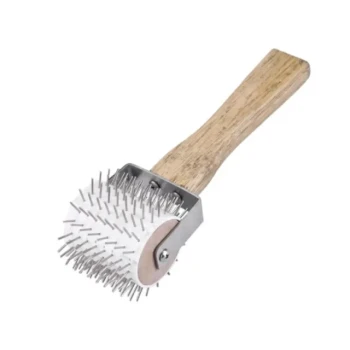
- Uncapping tools: A cold knife, electric knife, or scratcher to remove wax seals.
- The Extractor: Positioned for stability.
- Filtration: A bottling pail equipped with filters or cheesecloth to strain wax and debris.
- A Comb Capper: This can be fitted onto a five-gallon bucket to create a stable uncapping tub.
Preparing the Frames
Preparation at the hive level is just as important as the workspace. The goal is to separate the bees from their honey without agitation.
Clearing the Bees
You must remove all bees from the frames before bringing them into your extraction area.
- Bee Brush: Use a soft bee brush to gently sweep bees off individual frames.
- Triangle Bee Escape Board: Alternatively, place this device between the supers and the brood box ahead of time to allow bees to exit the honey supers but not return.
Sealed Transport
Once a frame is bee-free, it must not remain exposed. Immediately place the frame into a closed box or sealed container.
This prevents bees from re-landing on the comb and ensures that debris does not stick to the wet honey during transport to your extraction area.
Understanding the Trade-offs
Mechanical vs. Manual Uncapping
When setting up your station, you must choose your uncapping tool.
- Electric Knives: These cut through wax quickly and reduce wrist strain, but they require a power source and careful temperature management to avoid burning the honey.
- Cold Knives: These are simpler and cheaper but require hot water dips to remain effective. They require significantly more physical effort.
Location Logistics
Working indoors offers climate control and hygiene but introduces the risk of a messy house. Working in an outbuilding or garage keeps the mess out of your kitchen but often makes it harder to completely seal the area against robbing bees or maintaining strict sanitation.
Making the Right Choice for Your Goal
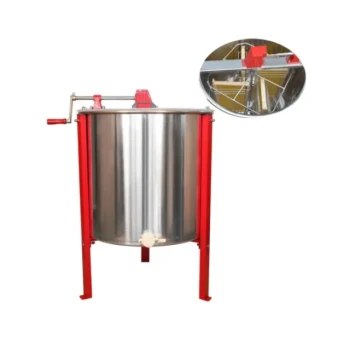
- If your primary focus is efficiency and volume: Utilize an electric uncapping knife and a centrifugal extractor, ensuring your workspace is a fully enclosed room with water access.
- If your primary focus is low cost or small scale: Opt for the "crush and strain" method using a simple tub and cheesecloth, minimizing the need for heavy machinery space.
Ultimately, a well-sealed room and a sealed transport box are the two most important tools for a calm, clean harvest.
Summary Table:
| Preparation Stage | Key Action | Essential Tools |
|---|---|---|
| Workspace Setup | Seal environment & cover surfaces | Plastic sheeting, ventilation, stable extractor |
| Pest Control | Isolate from apiary & close windows | Sealed doors, distance from hives |
| Frame Clearing | Remove all bees from honey supers | Bee brush or escape board |
| Transport | Prevent robbing & contamination | Closed boxes or sealed containers |
| Uncapping Prep | Remove wax seals for extraction | Electric knife, cold knife, or scratcher |
| Filtration | Strain out wax and debris | Bottling pail, filters, or cheesecloth |
Maximize Your Apiary’s Yield with HONESTBEE
Transition from hobbyist to professional-grade efficiency with HONESTBEE. As a premier partner for commercial apiaries and distributors, we provide the full spectrum of beekeeping tools—from heavy-duty honey-filling and hive-making machinery to essential consumables and honey-themed cultural merchandise.
Whether you are scaling your extraction facility or stocking your distribution warehouse, our wholesale solutions are designed to enhance your productivity and hygiene standards. Partner with us today to upgrade your honey production infrastructure!
Related Products
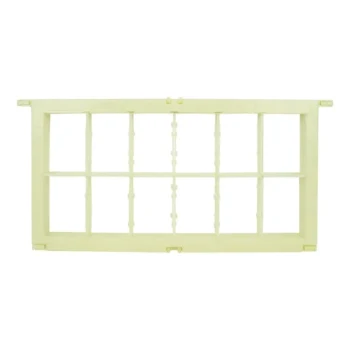
- Professional Sectional Comb Honey Frame with 250g Cassette System for Beekeeping
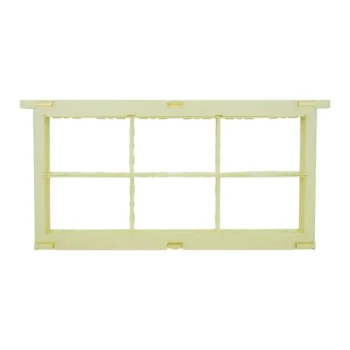
- Professional 500g Sectional Comb Honey Frame System for Beekeeping
- Plastic Honey Comb Frames Cassette Box for Honey
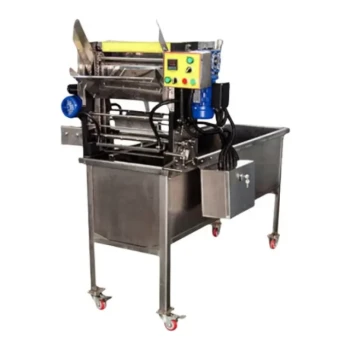
- Automatic Honey Frame Uncapper Machine for Beekeeping
- Assembled Wooden Bee Frames with Beeswax Foundation Ready to Use by HONESTBEE
People Also Ask
- How are honeybee combs utilized for non-destructive colony monitoring? Master Population Density Tracking
- What is the technical purpose of exchanging honeycomb frames? Master Apiary Equalization for Growth
- What frame to use for honeycomb? Choose the Right System for Pure, Edible Comb
- What is a honeycomb frame? The Key to Modern, Sustainable Beekeeping
- What are the recommended temperature and duration settings for freezing honey frames? Ensure Pest-Free Comb Storage