The queen excluder is rarely the sole culprit. While beekeepers often blame this piece of equipment when bees ignore a new box, the refusal is typically caused by the colony being too weak or a lack of incoming resources. If the hive lacks the population density or the nectar flow required to build wax, removing the excluder will not solve the underlying issue.
Bees prioritize consolidating heat and resources within the brood nest before expanding upward. If a colony ignores a new super, it is usually a signal that the hive population is too small or the nectar flow is insufficient to stimulate comb building.
Root Causes of Super Rejection
To understand why bees are ignoring the super, you must look at the biology of the hive rather than the hardware.
Colony Strength and Population
Bees are instinctively reluctant to expand into empty space they cannot heat or defend.
Before adding a super, the brood box below must be completely full of bees. If the colony population is small, they will remain clustered in the lower boxes regardless of whether a queen excluder is present.
The Necessity of Nectar Flow
Drawing out new frames of foundation requires a significant expenditure of energy and resources.
Bees will not draw wax if there is no significant nectar flow available. Without an abundance of incoming nectar and pollen, the colony acts conservatively and will not expand into new territory.
How the Excluder Influences Behavior
While the excluder is not the cause of the problem, it does act as a filter that changes how the hive navigates.
The Purpose of the Barrier
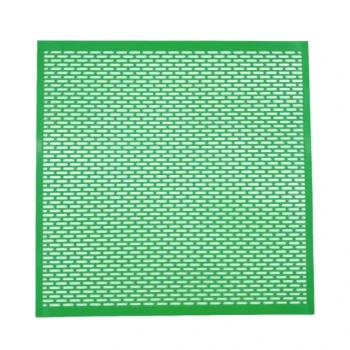
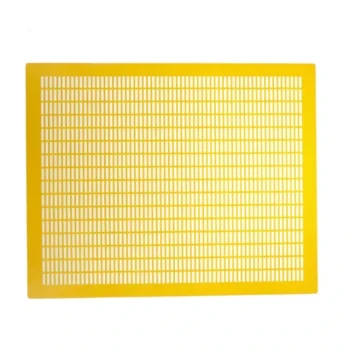
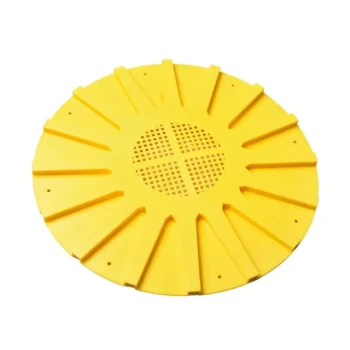
A queen excluder is designed to allow smaller worker bees to pass through while physically blocking the larger queen.
This ensures the super remains dedicated to honey storage. It prevents the queen from laying eggs in the honey frames, which simplifies harvesting and maintains honey purity.
Creating a Threshold
The excluder introduces a small amount of resistance to vertical movement.
If the "drive" to move up (high population and heavy nectar flow) is strong, the bees will pass through the excluder without hesitation. If that drive is weak, the excluder becomes a convenient boundary for them to stop at.
Strategies for Encouraging Expansion
If your colony is strong and resources are available, but they still hesitate, you can use specific techniques to bridge the gap.
The "Baiting" Technique
A highly effective method to encourage movement is to relocate resources.
Move a couple of frames of brood from the brood box into the honey super, placing them above the excluder. This entices nurse bees to pass through the excluder to care for the brood, instantly populating the upper box and stimulating activity.
Timing the Excluder Deployment
There is a trade-off between honey purity and speed of expansion.
Some beekeepers choose to add the queen excluder only after the foundation in the super has been drawn out. Once the bees have established the comb, you can insert the excluder to keep the queen out, removing the initial barrier to entry during the critical building phase.
Making the Right Choice for Your Goal
- If your primary focus is keeping the queen out of the honey: Ensure the brood box is overflowing with bees before adding the super, and accept that they will only cross the excluder when the nectar flow is strong.
- If your primary focus is getting foundation drawn quickly: Consider leaving the excluder off temporarily until the bees have begun building comb, then insert it to prevent the queen from laying in the new frames.
- If your primary focus is jump-starting a stalled hive: Move two frames of capped brood into the super to force nurse bees upward and establish a presence above the excluder.
Success depends on timing your equipment changes to match the natural momentum of the colony's population and local nectar sources.
Summary Table:
| Factor | Impact on Super Usage | Recommended Action |
|---|---|---|
| Colony Strength | Low population prevents upward expansion | Ensure brood box is 80-90% full before supering |
| Nectar Flow | Lack of resources stops wax production | Wait for peak flow or provide supplemental feeding |
| Queen Excluder | Acts as a physical/psychological barrier | Use 'baiting' or install after comb is partially drawn |
| Brood Location | Bees stay where the brood is located | Move 1-2 frames of capped brood to the super to 'bait' bees |
Maximize Your Honey Yield with HONESTBEE
Struggling with hive expansion or looking to scale your apiary operations? HONESTBEE provides professional-grade solutions for commercial apiaries and distributors worldwide. From high-quality queen excluders and specialized beekeeping tools to advanced honey-filling machines and hive-making equipment, we supply everything you need to optimize production.
Our comprehensive wholesale offering ensures you have the reliable hardware and essential consumables required to manage large-scale bee colonies efficiently. Let us help you streamline your harvest and grow your business—contact our experts today for a custom quote!
Related Products
- High Performance Plastic Queen Excluder for Beekeeping and Apiary Management
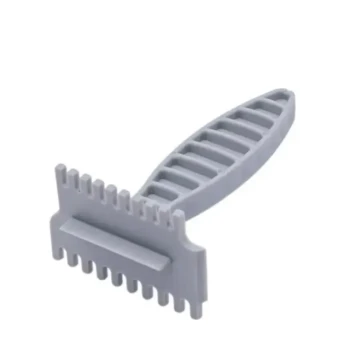
- Lightweight Durable Plastic Queen Excluder Scraper for Beekeeping
- Premium Wood Framed Metal Wire Queen Bee Excluder
- Professional Plastic Queen Excluder for Modern Beekeeping
- Metal Queen Bee Excluder for Beekeeping
People Also Ask
- What are the characteristics of a plastic queen excluder? Key Benefits for Cost-Effective Beekeeping
- What are the operational and cost advantages of using plastic queen excluders over metal or wire excluders in commercial hive management? Discover how they reduce labor, prevent wing damage, and lower total costs.
- What types of queen excluders are available for beekeepers? Choose the Right Tool for Your Hive
- Why are standardized hive frames and queen excluders essential for maintaining honey purity and quality? Scale Your Purity
- Do plastic queen excluders work? A Cost-Effective Solution for Modern Apiaries