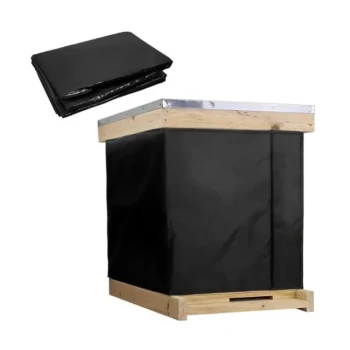
In mild winter climates, the primary challenge for hive insulation is effectively managing internal moisture rather than combating freezing temperatures. The solution lies in selecting insulation materials specifically designed to wick condensation away from the interior, ensuring that hive walls remain dry and the colony stays protected.
In milder conditions, the insulation strategy must shift from pure thermal retention to active moisture management, prioritizing materials that prevent condensation buildup to ensure colony survival.
The Dynamics of Mild Winter Risks
The Condensation Threat
While extreme cold is a concern in harsh climates, mild winters present a unique physics problem. The bees generate heat and moisture through respiration within the hive.
When this warm, moist air contacts the cooler surfaces of the hive walls, it condenses into liquid water. In freezing climates, this might become frost, but in mild winters, it becomes localized "rain" or dampness.
Why Moisture is the Enemy
Honeybees are experts at thermoregulation and can survive low temperatures by clustering, provided they remain dry.
However, if condensation accumulates and drips onto the cluster, the bees’ ability to generate heat is compromised. Wet bees lose body heat rapidly, making moisture a far greater threat than the ambient air temperature.
Strategic Material Selection
The Role of Wicking
To counteract moisture buildup, the primary reference advises choosing insulation materials that excel at wicking.
These materials function by pulling moisture away from the hive's interior surfaces. This action prevents water from pooling on the walls or dripping down onto the colony.
Protecting the Hive Environment
By prioritizing wicking capabilities, you ensure the hive walls stay dry.
This not only protects the bees from the immediate danger of becoming wet but also reduces the long-term risks associated with a damp environment, such as mold growth and wood rot.
Understanding the Trade-offs
Insulation vs. Breathability
A common pitfall in mild winters is prioritizing high thermal resistance (R-value) at the expense of breathability.
Thick, impermeable insulation can trap moisture inside the hive. In mild climates, it is better to sacrifice some heat retention to ensure moisture has a pathway to escape.
The Risk of Saturation
While wicking materials are essential, they must be part of a system that allows moisture to eventually exit.
If a material wicks moisture but has nowhere to vent it, the insulation can become saturated. A saturated insulator loses its thermal properties and can become a heat sink, drawing warmth away from the colony.
Making the Right Choice for Your Goal
When preparing hives for a mild winter, your strategy should dictate your material choice:
- If your primary focus is Avoiding Colony Chill: Select materials with high wicking properties to prevent "wet cold," which is significantly more dangerous than dry cold.
- If your primary focus is Hive Hygiene: Ensure your insulation keeps internal walls dry to prevent the growth of mold and mildew caused by chronic condensation.
Mastering moisture management is the key to bringing a strong, healthy colony into the spring.
Summary Table:
| Challenge | Primary Impact | Recommended Management Strategy |
|---|---|---|
| Condensation | Wet bees lose heat rapidly, leading to colony loss | Use wicking materials to pull moisture away from walls |
| Internal Humidity | Mold growth and wood rot within the hive | Balance insulation R-value with breathability |
| Saturated Insulation | Loss of thermal properties; creates a heat sink | Ensure the insulation system has a pathway to vent moisture |
| Thermal Retention | Overheating in mild weather if too thick | Prioritize moisture wicking over extreme heat trapping |
Secure Your Apiary's Success with HONESTBEE
Protecting your colony from mild winter moisture requires more than just standard gear; it requires precision-engineered equipment. HONESTBEE provides commercial apiaries and distributors with high-quality, professional-grade beekeeping tools and machinery designed to handle diverse climate challenges. From advanced hive-making machines to essential consumables that ensure hive hygiene, we empower your business to deliver healthy colonies year-round.
Ready to upgrade your wholesale supply or scale your apiary operations? Contact us today to explore our comprehensive hardware and merchandise solutions!
Related Products
- Professional Insulated Plastic Bee Hives
- Professional Insulated Winter Hive Wrap for Beekeeping
- Inner Beehive Cover for Beekeeping Bee Hive Inner Cover
- Durable Plastic Interlocking Hive Connector for Beekeeping
- Stainless Steel Round Beehive Air Vents for Ventilation
People Also Ask
- What are the advantages of plastic bee hives? Boost Efficiency & Durability for Your Apiary
- Are plastic bee hives any good? Unlock Durability & Efficiency for Your Apiary
- How do plastic bee hives compare to wooden hives in handling? Reduce Strain & Boost Efficiency
- Are plastic bee hives good? Durable, Low-Maintenance Hives for Modern Apiaries
- What are the disadvantages of plastic beehives? Key Operational and Environmental Risks Exposed