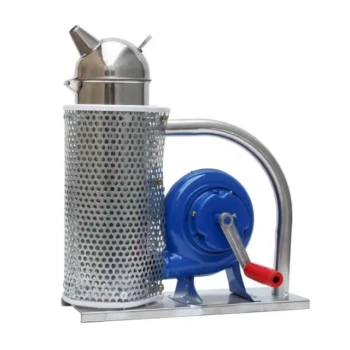
A bee smoker should be accessible during every hive interaction, regardless of the specific task at hand. While it is strictly required for invasive procedures like honey extraction, queen introduction, and hive splitting, seasoned experts recommend having a lit smoker ready at all times to manage the inherent unpredictability of bee behavior.
The smoker is not just a tool for calming bees; it is a communication jammer. By masking alarm pheromones, it prevents a localized defensive reaction from escalating into a colony-wide attack, making it essential for both routine inspections and major hive manipulations.
Operational Scenarios for Smoke Application
Honey Extraction
Harvesting honey is invasive and often agitates the colony. Using a smoker during extraction is standard practice to calm bees on the frames, allowing you to remove resources with minimal conflict.
Queen Introduction
Introducing a new queen is a delicate process where rejection is a high risk. Smoke helps mask the new queen's pheromones initially. This olfactory cover facilitates acceptance by the colony, preventing them from identifying her as an intruder immediately.
Major Hive Disruptions
Significant structural changes cause high stress within the colony. When combining hives or creating splits, smoke is necessary to reduce aggression. It helps prevent the bees from attacking the beekeeper or attempting to abscond (abandon the hive) due to the disturbance.
Routine Inspections
Even during minor checks, bee behavior can change instantly due to weather or external factors. Having a smoker on hand ensures you can regain control if the colony suddenly becomes defensive.
The Principles of Action
Interrupting Defense Signals
Bees communicate danger through alarm pheromones. Smoke physically masks these chemical signals. When you apply smoke, you are effectively cutting the communication line that tells the guard bees to attack.
Triggering the Feeding Response
Smoke triggers a primal survival instinct. Upon smelling smoke, bees naturally begin to consume honey in preparation for potential abandonment of the hive due to fire. This feeding response distracts them and physically makes them less agile and less prone to stinging.
Understanding the Trade-offs and Safety
Fire Hazards and Disposal
The primary risk of using a smoker is fire. You must always keep several gallons of water or a fire broom nearby. Never dump hot ashes on the ground; they must be buried, thoroughly wetted, or stored in a metal garbage can with a tight lid.
Fuel Toxicity
Not all smoke is safe. You must ensure your fuel source is non-toxic and untreated. Avoid wood treated with chemicals, pesticides, or herbicides. Burning poisonous plants, such as poison ivy, creates smoke that is toxic to both the bees and the beekeeper.
Extreme Environmental Conditions
During periods of extreme fire danger, the risks of using a traditional smoker may outweigh the benefits. In these situations, trade the smoker for a spray bottle with water (spritzing) or alternative smoke-generating devices to minimize the risk of sparking a wildfire.
Making the Right Choice for Your Goal
- If your primary focus is Major Intervention (Harvest/Splits): Ensure your smoker is well-lit with slow-burning fuel to provide consistent, cool smoke throughout the long process.
- If your primary focus is Queen Acceptance: Use smoke primarily to mask scent, applying it gently to confuse the colony's olfactory guards without causing panic.
- If your primary focus is Safety in Dry Conditions: Abandon the smoker entirely and use a water mist to manage bees without risking an external fire.
Your goal is not to smoke the bees into submission, but to disrupt their defensive coordination just enough to work safely.
Summary Table:
| Scenario | Primary Purpose of Smoke | Key Benefit |
|---|---|---|
| Honey Extraction | Calms bees on honey frames | Minimizes stings and conflict |
| Queen Introduction | Masks new queen's pheromones | Increases colony acceptance rate |
| Hive Splits/Combining | Reduces aggression during disruption | Prevents absconding and fighting |
| Routine Inspections | Interrupts alarm pheromones | Maintains control over unpredictable behavior |
| Emergency/Fire Risk | Use water mist as an alternative | Eliminates external fire hazards |
Scale Your Apiary Operations with HONESTBEE
At HONESTBEE, we specialize in empowering commercial apiaries and beekeeping distributors with high-performance tools and machinery. Whether you need reliable smokers for daily hive management or industrial-grade honey-filling and hive-making machines to streamline your production, we have you covered. Our comprehensive wholesale catalog includes everything from essential industry consumables to unique honey-themed cultural merchandise.
Partner with us to enhance your productivity and supply chain efficiency.
Contact our team today to discuss wholesale solutions
Related Products
- Stainless Steel Honey Bee Smoker Hive and Honeycomb Smoker for Beekeeping
- Professional Bee Smoker with Elongated Spout and Durable Bellows for Beekeeping
- Premium Traditional Copper Bee Smoker with Bellows
- Heavy Duty Manual Bee Smoker Blower for Beekeeping
- European Stainless Steel Bee Smoker for Honey Bee Hive
People Also Ask
- What are bee smokers made out of? Choose the Right Material for Your Apiary
- Why is a stainless steel bee smoker considered indispensable? Master Hive Management with Cool Smoke Technology
- What type of bee smoker is recommended for a beginner? Top Picks for Easy Hive Management
- When should you add more fuel to the bee smoker? Watch for This Critical Smoke Signal
- How do bee smokers and colored light sources work together to assist in night-time honey harvesting? Expert Strategies