Yes, it is entirely possible to separate beeswax from honey without expensive machinery. The most effective low-tech technique is the "crush and strain" method, which simply involves manually breaking the honeycomb and filtering the mixture through a standard mesh or cheesecloth.
While specialized equipment like centrifugal extractors increases efficiency for large-scale operations, the "crush and strain" method remains the most accessible and effective way for hobbyists to harvest honey and wax using only basic kitchen tools.
The Manual Separation Process
Crushing the Honeycomb
The first step is to break down the structure of the comb. By manually crushing the honeycomb, you rupture the individual wax cells that hold the honey.
This releases the liquid honey from its solid wax containment. This can be done in a large bowl using a sturdy spoon or even your hands (wearing gloves).
Straining for Purity
Once the comb is crushed, gravity takes over. You must pour the mixture through a strainer or cheesecloth into a collection vessel.
The mesh catches the solid beeswax and large debris, while the liquid honey flows through. This leaves you with a bowl of raw honey and a filter full of sticky beeswax.
Rendering the Wax for Use
After the initial separation, the beeswax will still contain honey residue and debris. To make the wax usable, you need to clean (render) it using heat.
Melting the Wax
To purify the separated wax, you will need a double boiler. This gentle heating method prevents the wax from scorching or igniting, which can happen if placed directly over a heat source.
Place the sticky wax into the top of the double boiler. As it melts, any remaining honey and heavy debris will separate from the liquid wax.
Final Filtration
For a clean final product, strain the melted wax through cheesecloth again. This removes the fine particulate matter embedded in the wax.
Pour the clean, molten wax onto a surface covered in newspaper or into a mold to cool. Always use oven mitts and a wooden spoon during this process to handle the hot equipment safely.
Understanding the Trade-offs
While the manual method is effective, it is important to understand why specialized equipment exists.
Destruction of the Comb
The primary downside of the "crush and strain" method is that it destroys the honeycomb.
In contrast, a centrifugal honey extractor spins the honey out while keeping the wax frame intact. This allows beekeepers to return the drawn comb to the hive, saving the bees the significant energy required to rebuild it.
Processing Volume
Manual separation is labor-intensive and slow.
If you are processing a single hive or a small batch of wild comb, this method is ideal. However, for larger quantities, the time required to crush and strain manually becomes a significant bottleneck compared to using a honey extractor.
Making the Right Choice for Your Goal
- If your primary focus is low cost or small-scale harvesting: Use the crush and strain method, as it requires zero investment in specialized machinery and utilizes tools you likely already own.
- If your primary focus is hive efficiency and volume: Invest in a honey extractor, as preserving the comb allows your bees to produce more honey in future seasons rather than rebuilding wax.
Manual separation is a perfectly valid, time-tested method that yields excellent results for the patient hobbyist.
Summary Table:
| Method | Equipment Needed | Pros | Cons |
|---|---|---|---|
| Crush & Strain | Cheesecloth, bowl, spoon | Zero cost, simple tools | Destroys honeycomb, labor-intensive |
| Centrifugal Extraction | Honey extractor | Keeps comb intact, high speed | High initial investment |
| Wax Rendering | Double boiler, filter | Produces clean, reusable wax | Requires heat safety precautions |
Elevate Your Beekeeping Operation with HONESTBEE
Whether you are a hobbyist moving to the next level or a large-scale commercial apiary, HONESTBEE provides the professional-grade tools you need to maximize efficiency. We specialize in supplying commercial apiaries and distributors with a full spectrum of beekeeping machinery—from precision honey-filling machines to durable honey extractors and hive-making equipment.
Don't let manual processing slow down your production. Our comprehensive wholesale offering includes everything from essential industry consumables to specialized hardware designed for high-volume success.
Ready to scale your honey and wax production?
Contact HONESTBEE today to explore our wholesale solutions!
Related Products
- Stainless Steel Jack Type Honey Comb Press Machine Wax and Honey Separator
- Honey Wax Separating Wax Press with Metal Screw Wax Separator Machine
- Stainless Steel Triangle Support Honey Strainer and Filters
- Electric Honey Press Machine for Squeezing Honey Comb Press Equipment
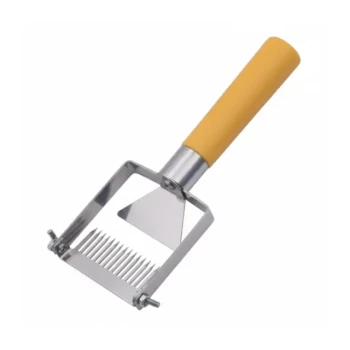
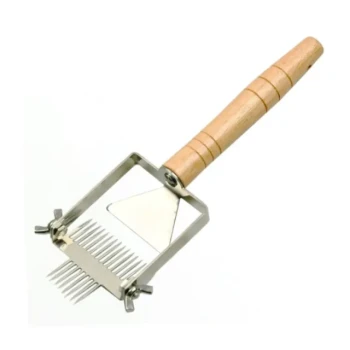
- Adjustable Stainless Steel Honey Uncapping Fork with Plastic Handle for Beekeeping
People Also Ask
- Can you heat honey to separate from wax? A Guide to Preserving Honey Quality
- How do you separate honey from wax at home? A Simple Guide to Zero-Waste Harvesting
- How do you separate honey from wax cappings? Choose the Best Method for Your Harvest
- How do I separate honey from wax? A Two-Stage Process for Maximum Yield
- What temperature does wax separate from honey? Achieve Clean, Efficient Honey Rendering