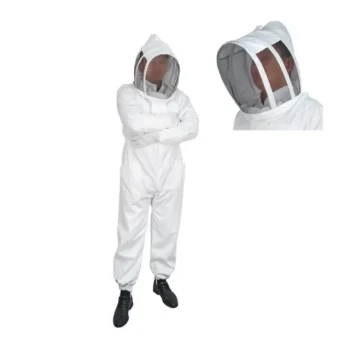
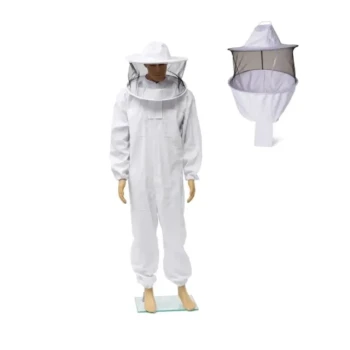
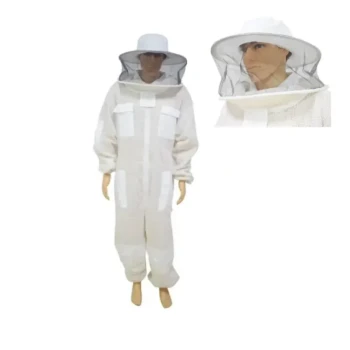
The primary use case for a full-body beekeeping suit is when the operator requires maximum protection to virtually eliminate the risk of stings, specifically when managing aggressive colonies. It is the preferred choice for those who cannot tolerate lower-body exposure and is the standard recommendation for children due to its secure, one-piece design.
Core Takeaway While jackets offer mobility for quick tasks, the full-body suit is the only garment that provides a continuous barrier from head to ankle. It is essential for high-risk scenarios, such as major hive manipulations or aggressive apiaries, where the risk of bees entering at the waistline is unacceptable.
The Principles of Complete Coverage
Eliminating the "Waist Gap" Risk
The structural advantage of a full suit is its continuity. Beekeeping jackets rely on an elastic waistband to create a seal against your trousers.
If this seal fails or the jacket rides up, bees—which naturally crawl upwards—can enter the garment. A full-body suit removes this failure point entirely, creating an uninterrupted enclosure.
Protection Against Aggressive Genetics
Not all hives are docile. When working with colonies known for defensiveness or "hot" genetics, a jacket leaves the legs vulnerable.
Aggressive bees often target dark colors or movement near the ground. A full suit ensures that the lower body is protected by the same sting-resistant material as the upper body.
Specific User Scenarios
The Standard for Children
For young beekeepers, the full suit is universally recommended. The primary reference highlights that the one-piece design is significantly easier to wear safely.
It reduces the complexity of ensuring multiple garments (jacket plus pants) are properly sealed. This ensures complete coverage without relying on the child to adjust their gear constantly.
Psychological Security for Beginners
Confidence is a critical component of safe beekeeping. For those new to the craft, the fear of being stung can lead to jerky movements that further agitate the bees.
By wearing a full suit, the user gains a psychological safety net. This allows them to focus entirely on their technique rather than worrying about potential gaps in their armor.
Understanding the Trade-offs
Managing Heat Stress
The trade-off for total coverage is heat retention. Full suits cover the largest surface area of the body, which can be dangerous in high summer temperatures.
To mitigate this, the primary reference strongly suggests choosing ventilated versions of full suits. These allow airflow that standard cotton or heavy canvas suits restricts.
Convenience vs. Safety
A full suit requires more time and effort to put on than a jacket. It is generally not the tool of choice for a 2-minute feeder refill or a quick glance at the entrance.
Jackets are preferred for these low-impact tasks. However, when the scope of work is unknown or involves deep inspections, the inconvenience of the suit is outweighed by the safety it provides.
Making the Right Choice for Your Goal
Select your gear based on the specific risk profile of your apiary and your personal comfort level.
- If your primary focus is maximum safety: Choose a full-body suit to ensure a continuous seal that prevents bees from climbing inside your clothing.
- If your primary focus is involving children: Always opt for a full suit to minimize gear complexity and maximize sting protection.
- If your primary focus is quick maintenance in high heat: A jacket may be sufficient, provided you wear thick trousers and understand the risk of lower-body exposure.
Your protective gear should never be a source of anxiety; it should be the tool that allows you to work calmly and effectively.
Summary Table:
| Feature | Full-Body Beekeeping Suit | Beekeeping Jacket |
|---|---|---|
| Protection Level | Maximum (Head-to-Ankle) | Partial (Upper Body) |
| Best For | Aggressive Colonies / Children | Quick Inspections / Feed Refills |
| Seal Integrity | Continuous (No Waist Gap) | Dependent on Waistband Seal |
| Ease of Use | Takes longer to put on | Quick and convenient |
| Heat Management | Higher retention (Ventilation recommended) | Better airflow |
| Confidence | High (Ideal for beginners) | Moderate |
Elevate Your Apiary Safety with HONESTBEE
At HONESTBEE, we understand that whether you are managing a commercial apiary or supplying a distribution network, the safety of your beekeepers is paramount. We provide a comprehensive range of premium beekeeping equipment, from ventilated full-body suits designed for maximum protection to advanced honey-filling and hive-making machinery.
Our wholesale offerings ensure that you receive high-quality, durable gear and honey-themed cultural merchandise that meet the rigorous demands of the industry. Don't compromise on safety—partner with a supplier that delivers the full spectrum of beekeeping solutions.
Ready to upgrade your equipment?
Contact us today to discuss your wholesale needs!
Related Products
- Premium Cotton Beekeeper Suit with Reinforced Fencing Veil
- Professional Cotton Beekeeper Suit with Round Veil Design for Commercial Apiaries
- Professional Beekeeper Suit with Square Folding Cotton Veil
- Three-Layer Ventilated Beekeeper Suit with Structured Fencing Veil
- Beekeeping Jacket with Hood and Veil for Beekeepers
People Also Ask
- What material and design specifications are recommended for a high-quality beekeeper suit? Top Gear Selection Guide
- How to Pre-treat Propolis Stains on Beekeeping Suits? Master Advanced Fabric Care and Soil Removal
- What features should be considered for sting protection in a beekeeping suit? Ensure Total Safety and Comfort
- What are the differences between full suits and jackets with veils in beekeeping? Choose Your Best Protection
- What features should be looked for in a beekeeping suit for maximum comfort? Prioritize Ventilation and Fit