Precision hive-making equipment is the critical enabler for transforming stingless bee (Trigona sp.) management from a passive activity into a scalable, productive operation. By utilizing industrial machinery to create standardized, well-sealed modern hives, beekeepers can ensure a stable internal micro-environment that significantly outperforms traditional tree hollows or bamboo tubes. This technological shift directly facilitates easier colony monitoring, strengthens defenses against predators, and streamlines essential tasks such as colony splitting and product harvesting.
Core Takeaway The move to precision equipment is not merely an aesthetic upgrade; it is a fundamental shift toward standardization. By eliminating structural variables, you create a controlled environment that maximizes colony health, optimizes honey yields, and provides the necessary foundation for large-scale commercial apiary operations.
Establishing a Stable Micro-Environment
The primary advantage of precision manufacturing is the ability to control the bees' living conditions. Trigona species are highly sensitive to environmental fluctuations, making hive integrity paramount.
Superior Sealing and Climate Control
Mechanically manufactured hives feature high-precision cutting that ensures tight, consistent seals. This creates a stable internal micro-environment by minimizing air leaks and regulating humidity and temperature more effectively than irregular natural materials.
Enhanced Defense Mechanisms
Traditional hives, such as bamboo or logs, often have structural vulnerabilities that pests can exploit. Precision-made modern hives offer robust, gap-free construction, providing the colony with better defense against predators and invasive pests.
Streamlining Colony Management
transitioning to modern models allows for proactive management rather than reactive observation. Precision equipment changes how a beekeeper interacts with the hive.
Standardization and Interchangeability
Industrial machinery ensures that every hive component is uniform. This standardization improves the interchangeability of parts, meaning frames or sections can be moved between hives without fitment issues, which is essential for efficient operations.
Simplified Colony Splitting
In traditional setups, propagating colonies is often destructive and risky. Modern, standardized hive designs significantly streamline colony splitting, allowing beekeepers to expand their apiary headcount systematically without compromising existing colonies.
Non-Destructive Monitoring
Modern structures allow for easier colony monitoring. Beekeepers can inspect the health of the colony and the status of the queen without destroying the internal nest structure, a common issue with traditional log hives.
Optimizing Production and Quality
The ultimate goal of commercial beekeeping is a sustainable, high-quality yield. Precision equipment creates the hardware foundation necessary to achieve this.
Increasing Yield Potential
By optimizing the internal management space, modern hives allow the colony to focus energy on production rather than repair or defense. Consequently, these systems demonstrate a higher potential for honey yield growth compared to traditional containers.
Hygienic Harvesting
Trigona honey is stored in small pots, making it susceptible to contamination during harvest. Standardized hives accommodate professional extraction tools designed for sterile harvesting, which minimizes impurity contamination and preserves bioactive components like enzymes.
Durability in Extreme Conditions
Precision-made equipment is designed to be more durable under extreme environmental conditions. This resilience is crucial for maintaining large-scale operations in challenging climates, such as the Mediterranean, where traditional materials might degrade quickly.
Understanding the Trade-offs
While the advantages are clear, adopting precision equipment introduces new variables that must be managed.
Initial Investment vs. Long-Term Gain
Transitioning requires a shift from low-cost, scavenged materials (logs/bamboo) to investing in industrial machinery or purchasing manufactured hives. This increases the initial capital requirement for the apiary.
Adaptation Period
Bees habituated to natural cavities may require time to adapt to the geometry of modern hives. Beekeepers must understand that standardized spatial design is a tool for efficiency, but successful colonization still requires biological compatibility.
Making the Right Choice for Your Goal
The level of precision equipment you should adopt depends heavily on your operational objectives.
- If your primary focus is Commercial Scalability: Prioritize equipment that ensures high interchangeability and durability, as these features are the foundation for managing hundreds of hives efficiently.
- If your primary focus is Product Quality: Focus on hive designs that facilitate sterile extraction processes, ensuring you capture the market premium for high-hygiene, bioactive Trigona honey.
- If your primary focus is Colony Health: Lean toward equipment that offers the best sealing and insulation properties, creating the most stable micro-environment for the bees.
Precision equipment does not just build better boxes; it builds a predictable, professional system that allows you to manage biology with engineering reliability.
Summary Table:
| Feature | Traditional (Log/Bamboo) | Modern Precision Equipment |
|---|---|---|
| Structural Integrity | High variability; prone to leaks | High precision; tight seals |
| Pest Defense | Vulnerable to gaps/cracks | Gap-free, robust construction |
| Management Style | Passive; reactive | Proactive; standardized |
| Colony Splitting | Destructive and risky | Systematic and streamlined |
| Harvesting | High risk of contamination | Sterile, hygienic extraction |
| Scalability | Difficult to replicate | Highly scalable via interchangeability |
Scale Your Apiary with HONESTBEE Precision Engineering
Transitioning from traditional methods to a commercial-grade operation requires more than just a box—it requires a system. HONESTBEE empowers commercial apiaries and distributors with the industrial-strength tools needed to professionalize beekeeping.
From high-precision hive-making machinery that ensures perfect interchangeability to advanced honey-filling machines and specialized beekeeping hardware, we provide the full spectrum of equipment to optimize your production. Our solutions help you maintain stable micro-environments and achieve the hygienic standards required for premium bioactive honey markets.
Ready to elevate your beekeeping business?
Contact HONESTBEE Today for Wholesale Solutions
References
- Daud Irundu, Sartika Sartika. Persepsi Masyarakat Kth Buttu Puang Untuk Pengembangan Budidaya Trigona Sp. Di Desa Mirring Kabupaten Polman. DOI: 10.46918/eboni.v5i1.1854
This article is also based on technical information from HonestBee Knowledge Base .
Related Products
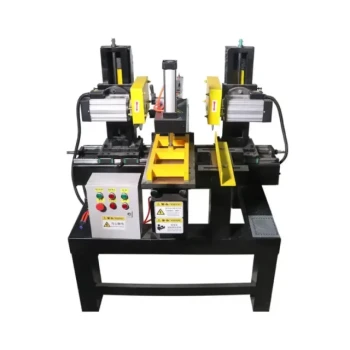
- High-Efficiency Pneumatic Bee Hive Making Machine for Rapid Box Assembly
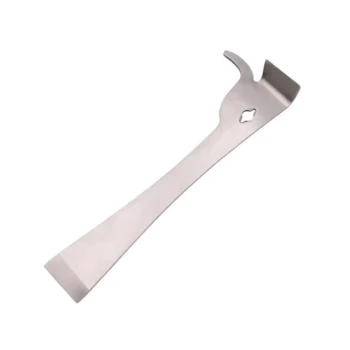
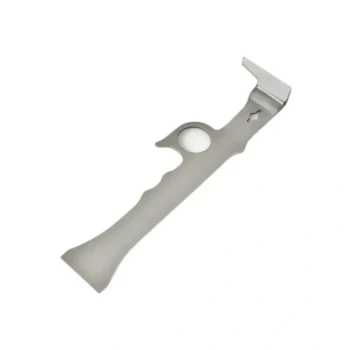
- Professional Multi-Function Stainless Steel Hive Tool
- Professional Stainless Steel Pry-Bar Hive Tool
- Beehive Machine Double End Saw for Precision Hive Component Manufacturing
- Ergonomic Two Person Foldable Hive Lifter
People Also Ask
- How does the introduction of professional beehive-making machinery benefit sustainable beekeeping? Scale Your Apiary
- Why is specialized beehive-making machinery critical for low-defense breeding? Enhance Selection with Precision Tools
- How does the introduction of specialized beehive making machinery contribute to increasing the scale of regional beekeeping industries?
- What is the importance of specialized beehive making machinery in a circular bio-economy? Build Local Sustainability
- Why is specialized beehive-making machinery essential? Scale Your Apiary with Precision Industrial Standards