Beeswax cappings are the thin, protective layer of fresh wax that honeybees construct to seal honeycomb cells once the honey inside has been fully cured. In the context of production, these seals must be physically removed to access the honey, making them a distinct and highly valuable by-product of the harvest.
Cappings represent the "lid" on the honey jar of the hive, signifying that the nectar has been successfully processed into shelf-stable honey. Because they are made of new wax, they differ significantly from the older structural wax of the comb and are prized for their purity and utility in future hive management.
The Role of Cappings in the Hive
Sealing the Harvest
Bees do not cap cells immediately upon filling them with nectar. They wait until the nectar has been dehydrated and cured into honey.
Preservation and Protection
Once the moisture content is stable, the bees build the capping over the cell. This airtight seal protects the honey from humidity and environmental contaminants within the hive.
The Collection Process
Removal During Extraction
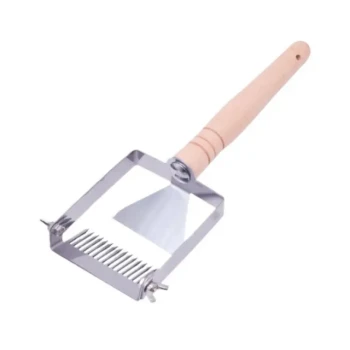
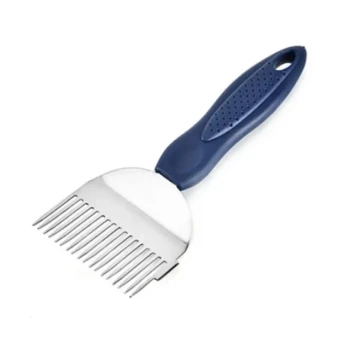
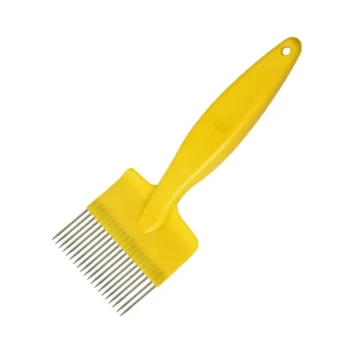
Before honey can be extracted—typically via centrifugation—the beekeeper must remove these seals. This process is often called "uncapping."
A Distinct Material Stream
The removed cappings are collected separately from the liquid honey. While the honey is the primary crop, the cappings are harvested simultaneously as a secondary raw material.
Value and Utilization
High-Quality Raw Material
Cappings consist of "new" wax, which is often lighter in color and cleaner than the wax found in the brood nest or older combs.
Processing into Comb Foundations
According to industry standards, this high-quality beeswax is often processed to create comb foundations. These foundations act as structural templates placed back into the hive.
Energy Efficiency for the Colony
Providing bees with these wax foundations accelerates their work. It allows the colony to divert energy away from wax secretion and toward honey production.
Maintaining Hive Hygiene
Using processed cappings for foundations ensures a clean internal environment. This helps prevent external chemical impurities from contaminating the new batch of honey.
Understanding the Trade-offs
The Cost of Production
Producing wax is metabolically expensive for bees. If beekeepers do not recycle cappings into foundations, the colony must consume significantly more resources to rebuild their home.
Processing Requirements
While cappings are valuable, they are not immediately usable. They must be rendered (melted) and filtered to remove residual honey and debris before they can be used for industrial applications or hive foundations.
Making the Right Choice for Your Goal
Whether you are managing a small apiary or analyzing commercial production, understanding the cycle of beeswax is essential.
- If your primary focus is production efficiency: Process cappings into comb foundations to minimize the energy bees waste on building structure, thereby maximizing honey yields.
- If your primary focus is product quality: Isolate cappings from darker, older comb wax to ensure you harvest the cleanest, highest-value wax for consumer goods or resale.
By viewing cappings as a resource rather than refuse, you close the production loop and support the long-term vitality of the colony.
Summary Table:
| Feature | Description |
|---|---|
| Material | Freshly secreted, high-purity "new" beeswax |
| Function | Airtight seal to preserve cured honey from humidity |
| Harvest Method | Removed via "uncapping" before centrifugation |
| Key Benefit | Recycled into comb foundations to save bee energy |
| Quality | Lighter color and cleaner than structural comb wax |
Maximize Your Apiary Productivity with HONESTBEE
Turning beeswax cappings into high-quality foundations is a game-changer for commercial honey yields. At HONESTBEE, we specialize in supporting commercial apiaries and distributors with a complete range of professional beekeeping solutions.
Whether you need industrial-grade honey-filling machines, specialized hive-making machinery, or a reliable supply of wholesale beekeeping tools and consumables, we have the expertise to scale your operations. Our portfolio is designed to help you maintain hive hygiene, improve energy efficiency for your colonies, and deliver premium honey products to the market.
Ready to upgrade your production line? Contact us today to discuss your wholesale equipment needs!
Related Products
- Beeswax Foundation Sheets Beehive Foundation for Wholesale
- Assembled Wooden Bee Frames with Beeswax Foundation Ready to Use by HONESTBEE
- Professional Honey Uncapping Roller for Efficient Harvesting
- Professional Honey Scraper for Efficient Apiary Maintenance
- Economy Manual Beeswax Embossing Mill Wax Foundation Machine Roller
People Also Ask
- What are the technical advantages of beeswax foundations and feeding tools? Optimize Your Bee Breeding Phase
- Why is the regular exchange and replacement of beeswax foundations encouraged? Boost Honey Yield & Hive Biosafety
- What are the negative consequences of using old or contaminated beeswax in foundations? Protect Your Hive Today
- Why is high-purity natural beeswax essential for foundations? Prevent Larval Mortality & Boost Colony Health
- What are the specific advantages of regular comb replacement? Boost Hive Health with New Beeswax Foundations