The primary design flaw found in commercial frame bottom bars is insufficient thickness. Many commercially available bottom bars, particularly divided styles, feature cross-sections that are too small—often consisting of strips measuring merely 5/16 inch by 5/16 inch. This lack of physical substance fails to create a clear boundary for the colony.
A bottom bar with an inadequate cross-section frequently results in bees drawing comb past the frame's edge and attaching it to the top bar of the frame below, complicating hive management.
The Structural Implications of Thin Bars
The Cross-Section Deficit
Commercial frames often prioritize material economy over functional width. Divided bottom bars, which are split to accept foundation, are frequently manufactured as thin strips rather than robust lumber.
Unwanted Comb Attachment
When the bottom bar is too narrow, it does not effectively signal the end of the comb area to the bees. Consequently, they often ignore the bar and continue drawing wax downwards.
Bridging Frames Together
This over-drawing leads to the bottom of one frame being physically connected to the top of the frame beneath it. This "burr comb" makes removing frames difficult and increases the risk of rolling or injuring bees during inspections.
The Critical Role of Bee Space
Defining the Vertical Gap
While the bottom bar acts as the physical stop for the comb, the vertical distance between frames is the governing principle of hive design. This gap must adhere to the "bee space" concept to prevent bees from filling it with propolis or wax.
The Function of End Bars
It is actually the cut of the end bars, not just the bottom bar itself, that determines the positioning of the frame. The end bars dictate the vertical spacing above the frame situated below.
Maintaining Proper Clearance
Even with a robust bottom bar, if the end bars are not cut correctly, the bee space is violated. However, a properly spaced frame with a thin bottom bar will still suffer from burr comb if the bar is too slight to stop the bees' construction instinct.
Variations and Compatibility
Common Bottom Bar Types
Frame bottom bars generally fall into three categories: one-piece solid bars, two-piece (divided) bars, and slotted bars.
Foundation Dependency
The choice of bottom bar is often dictated by the foundation system you intend to use. For example, plastic foundation often snaps into a slotted bar, while wax foundation may require a divided or solid bar for proper securing.
Understanding the Trade-offs
Ease of Assembly vs. Hive Hygiene
Two-piece or thin slotted bars are often easier to assemble with certain foundations. However, this convenience often comes at the cost of increased burr comb construction compared to wider, solid bars.
Commercial Standardization vs. Performance
Commercial manufacturers often standardize on thinner dimensions to reduce lumber costs. While these frames are readily available, they require more frequent maintenance to keep the space between boxes clear of wax bridges.
Making the Right Choice for Your Goal
To select the appropriate equipment for your apiary, consider how frame geometry impacts your management style:
- If your primary focus is minimizing burr comb: Prioritize frames with wider, more substantial bottom bars that provide a definitive stop for comb construction.
- If your primary focus is specific foundation use: Ensure the bottom bar style (slotted, solid, or two-piece) is compatible with your chosen wax or plastic foundation.
- If your primary focus is precise spacing: Verify that the end bars are cut to maintain the correct vertical bee space relative to the frames below.
Correctly dimensioned frames are the invisible backbone of a manageable and efficient hive.
Summary Table:
| Feature | Common Design Flaw | Optimal Standard | Impact on Hive Management |
|---|---|---|---|
| Bar Thickness | Insufficient (e.g., 5/16" x 5/16") | Robust cross-section | Prevents bees from drawing comb past the frame edge. |
| Bottom Bar Style | Thin divided or slotted bars | Solid or wider slotted bars | Reduces vertical bridging and "burr comb" between boxes. |
| Vertical Gap | Improperly cut end bars | Strict adherence to "Bee Space" | Ensures easy frame removal and prevents bee injury. |
| Stability | Structural cross-section deficit | High-quality lumber dimensions | Improves durability and eases foundation installation. |
Optimize Your Apiary with HONESTBEE Precision Equipment
Don't let poor frame design slow down your operations. At HONESTBEE, we specialize in serving commercial apiaries and distributors with high-performance beekeeping solutions that solve common industry challenges like burr comb and frame bridging.
Our comprehensive wholesale portfolio includes:
- Premium Beekeeping Hardware: Durable frames, hive-making machinery, and precision honey-filling equipment.
- Essential Consumables: A full spectrum of tools and supplies designed for high-volume efficiency.
- Cultural Merchandise: Unique honey-themed products to expand your market reach.
Whether you are scaling your honey production or stocking your distribution warehouse, HONESTBEE delivers the quality and reliability you need to succeed.
Ready to upgrade your equipment? Contact us today to discuss your wholesale needs!
Related Products
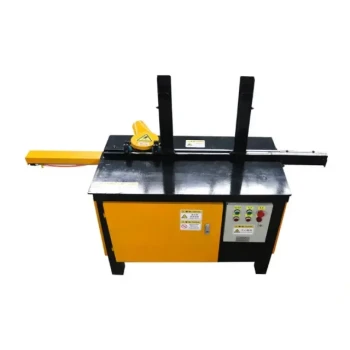
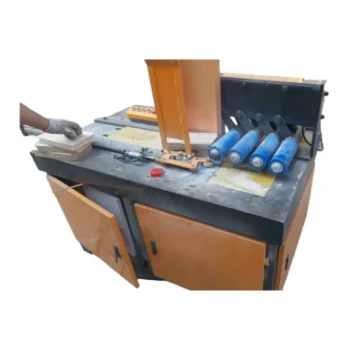
- HONESTBEE Top Bar & Bottom Bar Forming Machine | Bee Frame Machine
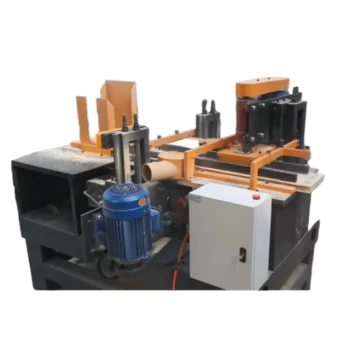
- HONESTBEE Bee Frame Grooving Machine | Precision Slotting for Bee Frame Making
- Langstroth Screen Bottom Board for Beekeeping Wholesale
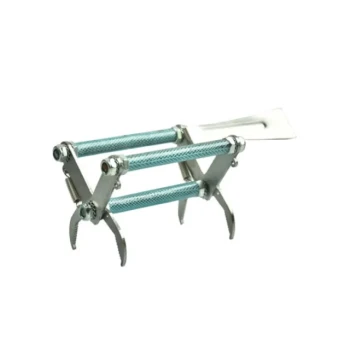
- Professional 3-Bar Frame Grip with Integrated Hive Tool
- Australian Pine Wood Langstroth Screen Bottom Board for Wholesale
People Also Ask
- What is the primary function of the Top Bar and Bottom Bar Forming Machine? Automate Hive Frame Production Excellence
- How does the Top Bar and Bottom Bar Forming Machine process wooden strips? High-Precision Frame Component Production
- What is the operational sequence of the Top Bar and Bottom Bar Forming Machine? Precision Beekeeping Frame Manufacturing
- What are the key benefits of investing in the Top Bar and Bottom Bar Forming Machine? Scale Your Hive Production Now
- What customization options are available for the Top Bar and Bottom Bar Forming Machine? Engineered for Any Hive Standard