Success in wax dipping relies heavily on precise temperature control and steady mechanical technique. The most common defects—such as ripples, cracking, and uneven thickness—are direct results of the wax being too cold, the cooling process being too rapid, or the dipping board being handled aggressively. Avoiding these issues requires maintaining optimal heat levels and mastering a slow, horizontal draining motion to ensure uniform distribution.
Quality wax sheets are the result of a delicate balance between thermal management and mechanical precision. Deviating from the optimal temperature or rushing the physical dipping motion will invariably lead to structural defects like cracking, rippling, or uneven thickness that compromise future processing.
Mastering Thermal Variables
The Consequences of Low Temperatures
Temperature regulation is the single most critical factor in sheet consistency. If the wax is allowed to get too cold, it loses the fluidity required for a smooth finish.
This lack of flow results in sheets that are wavy, rippled, and suffer from irregular thickness.
Managing Cooling Speed
The transition of the wax sheet from the dipping tank to the cooling phase is a moment of high risk.
If the wax is introduced to the water vat and cooled too rapidly, the sudden thermal contraction causes stress fractures. This leads to the sheets cracking rather than setting smoothly.
Refining Mechanical Technique
Entry Speed and Angle
The way the dipping board interacts with the liquid wax dictates how well the sheet adheres.
Entering the wax too bluntly or moving the board too fast creates turbulence and poor adhesion. This can cause the wax sheets to rip or even violently detach ("explode") from the board once submerged in the water.
Positioning During Draining
Once the board is removed from the wax, gravity determines the final geometry of the sheet.
It is crucial to hold the board straight and horizontal while the excess wax drains. This ensures the remaining wax settles in a flat, even layer.
Preventing Grain Formation
Failure to hold the board horizontal causes the wax to flow unevenly across the surface.
This uneven flow creates non-uniform thickness and an undesirable "grain" or texture in the sheet. This structural inconsistency is not just a cosmetic issue; it creates significant mechanical problems during the subsequent milling process.
Common Pitfalls to Avoid
Sacrificing Adhesion for Speed
A common error is rushing the dipping action to increase throughput.
While a faster dip might seem efficient, it compromises the bond between the wax and the board. The time saved is often lost when sheets rip or detach underwater due to the hydrodynamic force of a fast entry.
Neglecting the Drain Phase
It requires patience and physical discipline to hold the board perfectly horizontal after every dip.
However, tilting the board during this phase is a major pitfall. The resulting variations in thickness make the sheets unpredictable and difficult to machine or mill later, leading to wasted material.
Making the Right Choice for Your Process
To ensure high yields and usable material, align your technique with the specific defect you are trying to prevent:
- If your primary focus is Sheet Consistency: Prioritize maintaining a steady wax temperature to eliminate ripples and waves caused by cold wax.
- If your primary focus is Material Integrity: Slow down the cooling process in the water vat to prevent thermal shock and cracking.
- If your primary focus is Milling Readiness: Ensure the board is held strictly horizontal during draining to prevent grain formation and uneven thickness.
By strictly controlling thermal shock and refining the physical angle of your board, you can produce consistent, high-quality wax sheets every time.
Summary Table:
| Common Problem | Primary Cause | Proven Solution |
|---|---|---|
| Ripples & Waves | Wax temperature too low | Maintain optimal heat for fluid flow |
| Cracking/Fractures | Rapid cooling/Thermal shock | Slow down cooling process in water vat |
| Uneven Thickness | Board not held horizontal | Maintain steady horizontal position during draining |
| Sheet Detachment | Aggressive entry speed | Use slow, controlled entry and exit angles |
| Grain Formation | Improper draining angle | Ensure gravity-fed drainage is uniform across board |
Elevate Your Apiary Production with HONESTBEE
Consistency in wax dipping is the foundation of high-yield beekeeping. At HONESTBEE, we specialize in providing commercial apiaries and distributors with the high-performance machinery and tools needed to eliminate production defects.
From industrial hive-making and honey-filling machines to premium beekeeping consumables, our comprehensive wholesale offering is designed to scale your operations efficiently. Whether you are looking for specialized hardware or honey-themed cultural merchandise, we bring industry-leading expertise to your business.
Ready to optimize your production line? Contact us today to discover how our tailored equipment solutions can enhance your efficiency and product quality.
Related Products
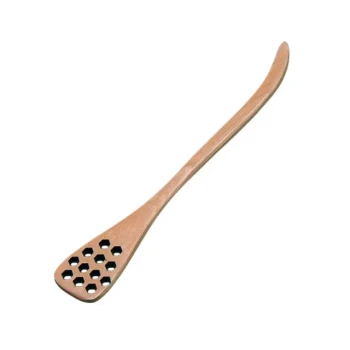
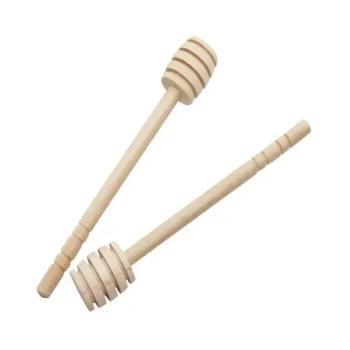
- Modern Honeycomb Pattern Wooden Honey Dipper for Stirring and Drizzling
- Professional Honey Uncapping Roller for Efficient Harvesting
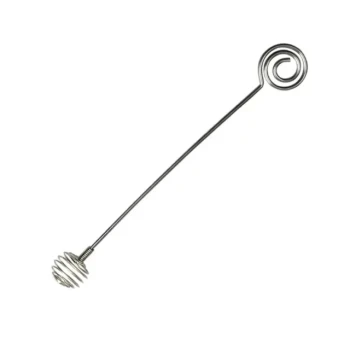
- Modern Stainless Steel Honey Dipper Stirrer
- Professional Plastic Honey Dipper for Easy Honey Drizzling
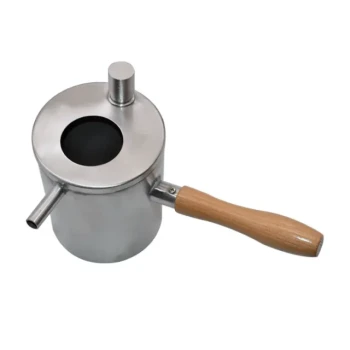
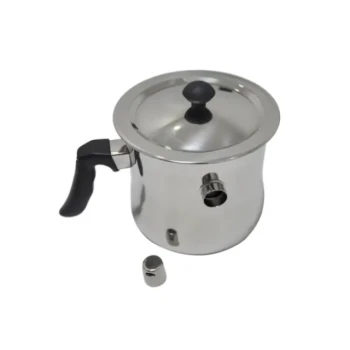
- Professional Stainless Steel Wax Melter for Beekeeping and Crafts
People Also Ask
- What is the proper method for cleaning a honey dipper? Maintain Pure Flavor with These Easy Pro Tips
- What is a honey dipper and what is it used for? A Guide to Mess-Free Drizzling
- What is a honey dipper? Master the Art of the Perfect Drizzle with This Essential Tool
- What is a honey taking spoon called? Discover the Tool for a Perfect, Mess-Free Drizzle
- How do you clean and store a honey dipper? Simple Steps for Long-Lasting Performance