Honey harvesting is a two-step process: first removing the bees from the hive frames, and then extracting the honey itself. To clear the bees, beekeepers typically use bee blowers, chemical repellent boards, or honey bee escape boards, while the actual extraction is done via methods like the "crush and strain" technique, cutting the comb, or using flow mechanisms.
The most sustainable harvesting strategy prioritizes colony health alongside efficiency. While mechanical blowers and chemical repellents are available, the honey bee escape board is widely regarded as an effective method that is completely harmless to the bee colony.
Methods for Clearing the Hive
Before you can collect honey, you must separate the bees from the honeycomb. The method you choose impacts the stress levels of the colony.
Honey Bee Escape Boards
This is a passive, non-lethal method noted for its safety. The board acts as a one-way gate, allowing bees to leave the honey supers but preventing them from returning.
Because it is harmless to the bee colony, it is often the preferred choice for apiarists who prioritize low-stress management.
Mechanical and Chemical Interventions
Bee blowers use forced air to physically dislodge bees from the frames. While fast, this method can be noisy and disruptive to the hive environment.
Alternatively, chemical repellent boards use specific scents to drive bees away from the honey supers. This is efficient but introduces foreign substances into the hive vicinity.
The Role of Smoke
Regardless of the removal method, beekeepers often use torches to produce smoke. This is a non-lethal physical intervention that induces a temporary sedative state in the bees.
Smoke prompts bees to leave or remain calm, significantly reducing the risk of stings and minimizing social disruption during the harvest.
Methods for Extracting the Honey
Once the bees are cleared or managed, you must remove the honey from the structure of the hive.
The "Crush and Strain" Method
This low-tech approach involves cutting the honeycomb from the frames and mashing it, often with a simple tool like a potato masher.
The mashed comb is placed in a double strainer, allowing the honey to drip into a bucket while separating it from the wax. This is the standard method for Top Bar Hives and requires no expensive extraction equipment.
Cut Comb Harvesting
This method involves cutting entire sections of honeycomb directly from the frame using a quality knife or specialized comb cutter. Warming the cutter can facilitate a smoother slice.
This is only suitable for frames with wireless wax foundation or no foundation at all. It cannot be done on plastic or wired frames.
Flow Hive Technology
For this specific hive type, the beekeeper inserts and turns a key without opening the hive. This action splits the cells vertically inside the frame.
Gravity allows the honey to flow down a tube directly into a jar. This process is unintrusive, allowing bees to repair the split cells immediately with minimal interruption to their work.
Common Pitfalls to Avoid
Harvesting is not just about tools; it is about timing and biology. Ignoring these factors can degrade honey quality or harm the colony.
Harvesting Too Early
You should wait until at least 80% of the frames are fully capped with wax before harvesting.
Capping indicates the honey has reached the proper moisture content. Harvesting uncapped nectar can lead to fermentation and spoilage.
Neglecting Colony Survival
Beekeepers must ensure the colony retains enough honey for its own survival, especially in colder seasons when forage is sparse.
Taking the entire surplus without leaving resources for the bees compromises their ability to survive the winter.
Pest Infestation
If you use the cut comb method, the removed sections should be frozen immediately after harvesting.
Freezing kills potential wax moth eggs, preventing them from hatching and infesting the stored honey.
Making the Right Choice for Your Goal
Selecting a harvesting method depends on your equipment, your hive type, and your philosophy regarding colony disturbance.
- If your primary focus is low-stress colony management: Utilize honey bee escape boards to clear bees and Flow Hive technology (if available) to extract without opening the hive.
- If your primary focus is low-cost extraction: Adopt the "crush and strain" method, which eliminates the need for centrifuges or extractors and works well with Top Bar Hives.
- If your primary focus is aesthetic presentation: Choose the cut comb method, ensuring you use unwired foundation and freeze the final product to prevent pest damage.
Ultimately, the best method is one that yields high-quality honey while leaving the colony calm, healthy, and sufficiently stocked for the season ahead.
Summary Table:
| Method Category | Technique | Primary Advantage | Best Suited For |
|---|---|---|---|
| Clearing Bees | Bee Escape Board | Low stress, harmless to colony | Sustainable apiary management |
| Clearing Bees | Bee Blowers/Repellents | High speed and efficiency | Commercial, large-scale harvests |
| Extraction | Crush and Strain | Low cost, no special equipment | Top Bar Hives & hobbyists |
| Extraction | Cut Comb | Premium aesthetic product | Unwired wax foundation frames |
| Extraction | Flow Mechanism | Unintrusive, direct to jar | Flow Hive owners |
Scale Your Beekeeping Success with HONESTBEE
Whether you are managing a commercial apiary or supplying the next generation of beekeepers, HONESTBEE provides the industrial-grade tools you need to maximize your honey yield. From specialized honey-filling machines and hive-making hardware to a comprehensive range of wholesale beekeeping tools and consumables, we empower distributors and large-scale operations with premium equipment and honey-themed merchandise.
Ready to elevate your production?
Contact HONESTBEE today to explore our wholesale offerings and discover how our expertise can streamline your harvesting process.
Related Products
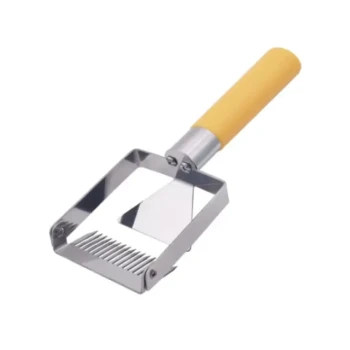
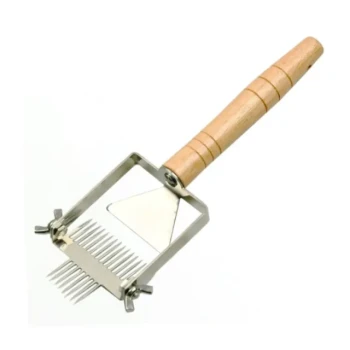
- All-Stainless Steel Pivoting Honey Uncapping Fork for Beekeeping
- Stainless Steel Pivoting Honey Uncapping Fork with Plastic Handle
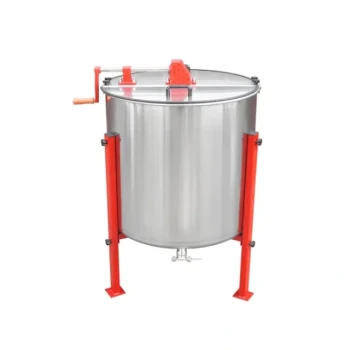
- 6 Frame Manual Stainless Steel Honey Extractor Beekeeping Equipment
- Electric 8 Frame Honey Spinner Extractor Equipment for Beekeeping
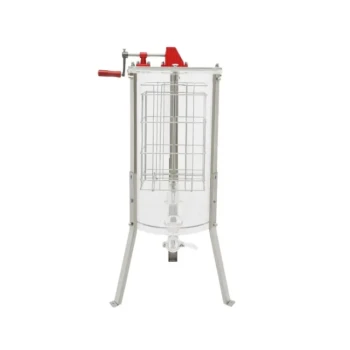
- HONESTBEE 2 Frame Manual Acrylic Honey Extractor Beekeeping Equipment
People Also Ask
- How does a honey uncapping fork supplement the use of an uncapping knife? Boost Your Honey Yield and Extraction Efficiency
- What is the design purpose of honey uncapping forks and honey uncapping tanks? Maximize Your Harvest Efficiency
- What are the essential tools for uncapping honey frames? Choose the Right Tool for Your Apiary
- What are the tools used for uncapping honeycombs? Expert Guide to Tools & Functions for Maximum Yield
- What is the primary function of specialized honey uncapping tools? Maximize Your Extraction Yield and Efficiency