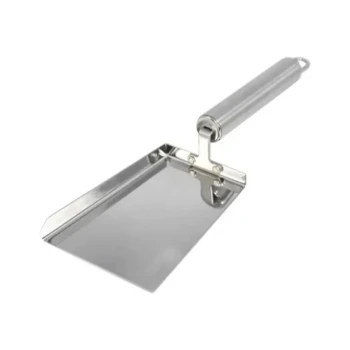
The primary advantages of using a dry pollen feeder are a significant reduction in labor and the elimination of hive disturbance. Unlike applying patties, utilizing a dry feeder allows you to provide essential protein without suiting up, smoking bees, or physically opening the hive to lift heavy boxes.
Dry pollen feeding is a management strategy that prioritizes apiary-wide efficiency and pest mitigation over precise dosing. While it lacks the targeted control of patties, it offers a distinct advantage in ease of application and long-term resource storage.
Optimizing Apiary Management
Minimal Preparation Required
One of the most immediate benefits is the reduction in prep time. While patties often require mixing dough or managing individual packaging, dry pollen substitute is ready to use immediately. You simply fill the bulk feeder and walk away.
Non-Intrusive Application
Dry feeding completely removes the need to disturb the colony structure. Because the feeder is placed externally—often in a repurposed barrel or hung container—you do not need to pry apart frames or break propolis seals. This is particularly valuable during marginal weather when opening a hive could chill the brood.
Reduced Physical Labor
For beekeepers managing multiple colonies, the physical toll of feeding patties is high. Dry feeding eliminates the repetitive lifting of boxes to access the brood nest. This makes nutritional support viable even when you have limited time or energy.
Biological and Environmental Advantages
Storage vs. Immediate Consumption
There is a distinct behavioral difference in how bees utilize the protein. Bees typically consume moist patties immediately. In contrast, bees treat dry substitute like natural pollen, packing and storing it in the combs for future use, providing a long-term reserve.
Pest Mitigation (Small Hive Beetles)
Protein patties can be a liability in areas with Small Hive Beetles (SHB), as the moist dough provides an ideal breeding ground for beetle larvae. Small Hive Beetles generally ignore dry pollen substitute, making it a much safer option for at-risk apiaries.
Reducing Robbing Behavior
During late summer dearths, foragers can become aggressive and prone to robbing weaker hives. A bulk dry feeder acts as a distraction. It occupies these "robby" foragers at a neutral site, reducing the pressure on your individual colonies.
Understanding the Trade-offs
The Loss of Precision
While dry feeding is efficient, it is indiscriminate. You cannot control how much protein a specific colony receives. Stronger colonies will naturally gather more, while weaker colonies—which may need the protein the most—may not compete well at the bulk feeder.
Variable Collection Rates
If your goal is to ensure a specific dosage of medication or nutrition reaches a specific hive, dry feeding is ineffective. Only patties allow you to guarantee that a specific colony receives a controlled amount of supplements.
Making the Right Choice for Your Apiary
To decide between dry feeders and patties, evaluate your current operational constraints and pest pressures.
- If your primary focus is labor efficiency: Choose dry feeders to manage nutrition across the apiary without opening boxes or lifting heavy equipment.
- If your primary focus is pest control: Choose dry feeders to avoid attracting Small Hive Beetles, which thrive in the moist environment of pollen patties.
- If your primary focus is targeted rehabilitation: Choose patties to ensure specific, weak colonies receive a guaranteed amount of protein.
Dry feeding is the superior choice for general maintenance and risk reduction, while patties remain the standard for targeted intervention.
Summary Table:
| Feature | Dry Pollen Feeder | Pollen Patties |
|---|---|---|
| Labor Intensity | Low (Bulk application) | High (Individual hive application) |
| Hive Disturbance | None (External feeding) | High (Must open hive/lift boxes) |
| Pest Risk (SHB) | Minimal (Dry powder) | High (Moist breeding ground) |
| Nutritional Control | Indiscriminate (Apiary-wide) | Precise (Colony-specific) |
| Storage Behavior | Bees pack/store in combs | Immediate consumption |
| Ideal Use Case | Large-scale maintenance | Targeted rehab for weak hives |
Streamline Your Commercial Apiary with HONESTBEE
Are you looking to scale your operations while reducing labor costs? HONESTBEE specializes in serving commercial apiaries and distributors with high-performance beekeeping tools and machinery. From specialized hive-making and honey-filling machines to bulk feeding solutions, we provide the full spectrum of equipment needed to thrive in the modern bee industry.
Why partner with us?
- Comprehensive Wholesale Range: Access everything from essential consumables to heavy-duty machinery.
- Operational Efficiency: Our tools are designed to reduce the physical toll on your team.
- Expert Supply Chain: Reliable equipment delivery tailored to the needs of large-scale beekeeping.
Contact HONESTBEE today to discover how our professional-grade equipment can transform your apiary's productivity and bottom line.
Related Products
- HONESTBEE Entrance Bee Feeder Efficient Hive Front Liquid Feeding Solution for Beekeeping
- Removable Plastic Pollen Trap With Ventilated Tray for Bees Pollen Collector
- Plastic Bee Pollen Trap Strips Comb Catcher Collector
- HONESTBEE Entrance Bee Feeder Professional Hive Nutrition Solution for Beekeeping
- Professional Hive Top Bee Feeder for Beekeeping
People Also Ask
- What types of bee feeders are available for beginners? Start with the Simple Entrance Feeder
- What are the advantages and disadvantages of using an entrance feeder for bees? Balance Convenience and Hive Security.
- What is a bee entrance feeder and what are its drawbacks? Essential Guide to Hive Security and Feeding Efficiency
- How does a bee entrance feeder work? A Simple Guide to Convenient Hive Feeding
- How to make an entrance feeder for bees? A DIY Guide for Safe & Effective Feeding