The primary advantage of natural bee wax cell cups is biological compatibility. Because the material composition closely mimics the natural nesting environment of honeybees, these cups significantly increase the acceptance rate of grafted larvae by worker bees. Furthermore, queens reared in natural wax cups exhibit superior morphological characteristics and biological indicators compared to those raised in plastic or foundation wax alternatives.
By aligning with the chemical and physical expectations of the hive, natural bee wax cups prioritize the biological quality of the queen over the operational convenience of the beekeeper. This results in higher royal jelly secretion and structurally superior virgin queens.
The Biological Edge of Natural Wax
The choice of cell cup material is not merely a structural decision; it is a biological interface. Natural wax leverages the bees' innate instincts to drive better outcomes.
Mimicking the Natural Environment
Honeybees are highly sensitive to their environment. Natural bee wax cell cups replicate the texture and chemical composition of the hive's native comb.
This familiarity reduces the "foreign object" rejection response often triggered by artificial materials. Consequently, worker bees are quicker to adopt the cup and begin the rearing process.
Chemical Signatures and Acceptance
Beeswax possesses specific chemical signatures that honeybees recognize instantly. Unlike plastic or pure paraffin, natural wax is biologically compatible.
This compatibility directly translates to a higher success rate in the critical early stages of grafting. Worker bees are more likely to accept the larvae for further construction rather than removing or neglecting them.
Impact on Queen Quality
Beyond simple acceptance, the material of the cup influences how the nurse bees interact with the developing larva.
Enhanced Royal Jelly Secretion
Research indicates that natural wax cups stimulate a higher volume of royal jelly secretion from nurse bees.
Royal jelly is the sole determinant of caste differentiation; more abundant nutrition during development leads to higher quality queens. The volume of jelly is directly correlated with the reproductive potential of the final queen.
Superior Morphological Characteristics
Queens reared in natural wax cups display better physical traits (morphology).
The primary reference notes that biological indicators—essentially the metrics of a healthy, productive queen—are superior in wax-reared queens compared to those from plastic cups. This makes wax the premium choice for breeders focused on high-performance genetics.
Understanding the Trade-offs
While natural wax offers biological superiority, it is important to understand why plastic is frequently used in the industry to make an informed decision.
The Case for Plastic: Standardization
Plastic cups offer uniform geometric dimensions (typically 8-9mm) and smooth internal walls. This standardization is excellent for large-scale, automated grafting operations where consistency is paramount.
Durability and Sanitation
Plastic is physically stronger and does not deform during handling or transportation. It is also easier to clean, disinfect, and reuse multiple times, whereas wax cups are fragile and often single-use.
The "Volume vs. Quality" Balance
Plastic prioritizes efficiency, durability, and scale. Natural wax prioritizes the biological response of the bee and the physiological quality of the queen.
Making the Right Choice for Your Goal
The decision between wax and plastic depends entirely on the scale of your operation and your breeding objectives.
- If your primary focus is maximize queen quality: Choose natural bee wax cups to ensure maximum royal jelly feeding and superior biological development of the virgin queen.
- If your primary focus is commercial efficiency: Choose standardized plastic cups to facilitate cleaning, reuse, and rapid handling without fear of damaging the cell.
Ultimately, while plastic offers operational convenience, natural wax remains the definitive choice for producing the highest quality queens by respecting the biological instincts of the hive.
Summary Table:
| Feature | Natural Bee Wax Cell Cups | Plastic Cell Cups |
|---|---|---|
| Acceptance Rate | Higher due to biological compatibility | Lower; often viewed as a foreign object |
| Royal Jelly Volume | Stimulates higher secretion levels | Standard levels |
| Queen Morphology | Superior physical & biological indicators | Standard commercial quality |
| Durability | Fragile; typically single-use | High; reusable and easy to disinfect |
| Primary Goal | Maximizing queen quality and health | Operational efficiency and scale |
| Material | Native hive-recognized wax | Synthetic, standardized polymer |
Elevate Your Queen Rearing Success with HONESTBEE
Are you looking to produce high-performance queens for your commercial apiary or distribution network? HONESTBEE specializes in serving large-scale beekeeping operations and distributors with a premium selection of tools and machinery.
Whether you prioritize the biological superiority of natural wax or the standardized efficiency of plastic grafting systems, we provide the full spectrum of equipment you need. From specialized hive-making and honey-filling machines to essential industry consumables and honey-themed cultural merchandise, HONESTBEE is your trusted wholesale partner.
Ready to scale your production? Contact our expert team today to discuss our wholesale offerings and how we can support your business growth!
References
- H. T. Abou El-Enain, Montaser Elsayed Ali. MORPHOMETRICAL STUDIES ON QUEEN BEES REARED FOR HIGH QUALITY AND QUANTITY. DOI: 10.21608/jppp.2007.219402
This article is also based on technical information from HonestBee Knowledge Base .
Related Products
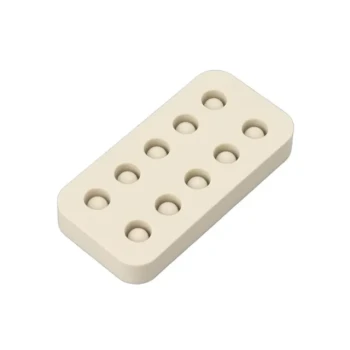
- 10-Cell Silicone Beeswax Bee Queen Cups Forming Mold
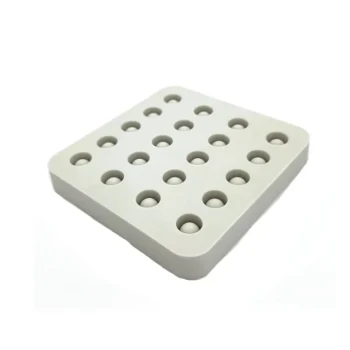
- High-Efficiency 20-Cell Silicone Mold for Beeswax Bee Queen Cup Production
- Clear Black Plain Polystyrene Queen Bee Grafting Cell Cups No Lug for Bee Queen Cup
- Brown Nicot Queen Cell Cups for Breeding Queen Bees Beekeeping
- JZBZ Push-In Queen Cell Cups for Beekeeping
People Also Ask
- How do beeswax queen cell cups function? Optimize Queen Rearing with Biological Mimicry
- What is the biological function of beeswax queen cell cups? Boost Acceptance in Artificial Queen Rearing
- What role do specialized queen rearing tools play in developing mite-resistant honeybee stock? Master Genetic Selection
- What materials are used to make artificial queen cell cups for grafting? Beeswax vs. Plastic Guide
- What roles do specialized queen cell cups play in royal jelly production? Optimize Your Hive's Secretion and Yield