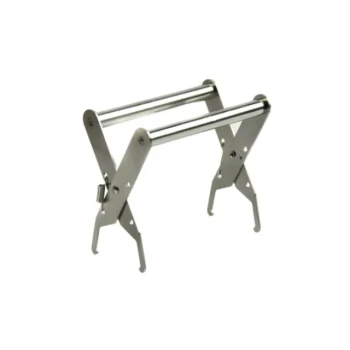
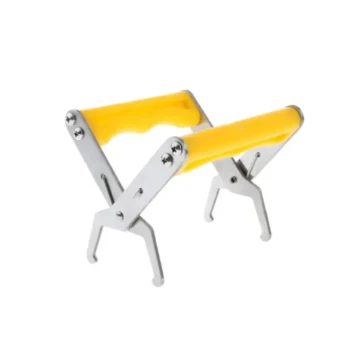
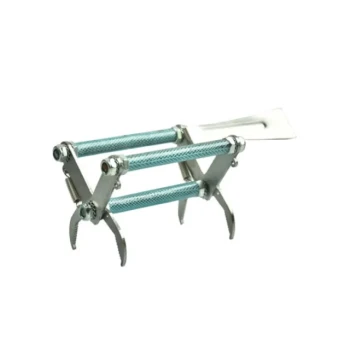
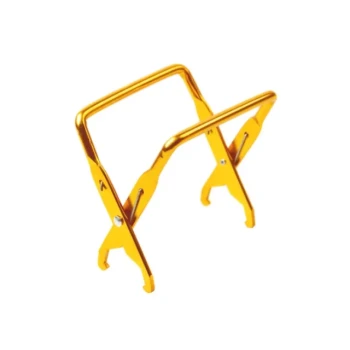
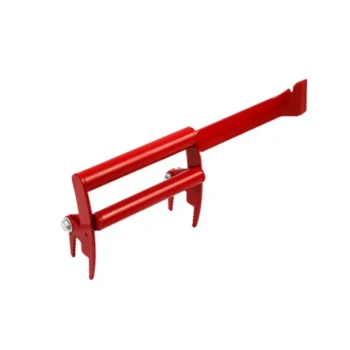
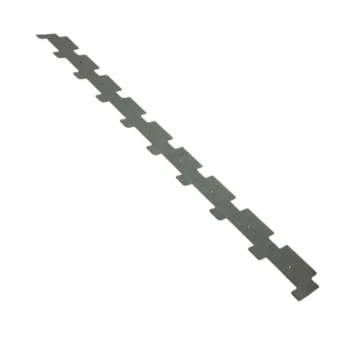
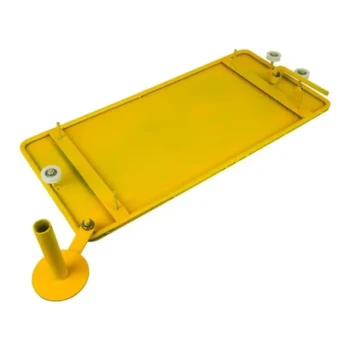
A frame rest is a non-invasive tool designed to safeguard the colony by suspending frames safely outside the hive body during inspections. Its primary function is to prevent physical harm to the hive's occupants, ensuring that bees, developing brood, and delicate honeycomb are not crushed or damaged while you work.
By stabilizing removed frames and minimizing physical disturbance, a frame rest significantly reduces colony stress and defensive behavior. It transforms the inspection process from a potential disruption into a clean, controlled maintenance activity.
Protecting the Hive Inhabitants
Preventing Physical Injury
The most immediate benefit of a frame rest is the prevention of accidental mortality. By suspending the frame, you ensure that nothing on the surface is touched or crushed.
This is critical for the safety of the queen, worker bees, and the sensitive brood. Unlike leaning a frame against the hive or placing it on the ground, a rest guarantees that the bees covering the comb remain unharmed.
Maintaining Colony Temperament
Bees react defensively to sudden movements and vibrations. A frame rest provides a stable platform, resulting in minimal jostling of the comb.
Because there is a significantly lower risk of the frame slipping or falling over, the colony remains much calmer. This leads to bees that are more docile throughout the inspection, making the experience safer for the beekeeper.
Preserving Hive Infrastructure
Keeping Comb Intact
Honeycomb is fragile, particularly when heavy with honey or nectar. A frame rest holds the frame in its natural vertical position, keeping the comb structure intact.
This stability prevents the foundation from sagging or breaking, which can occur if a frame is mishandled or placed at an awkward angle.
Preventing Honey Spills
When frames are set down indiscriminately, capped honey can be bruised or punctured. A frame rest prevents these messy accidents, ensuring honey does not spill or drip.
Preserving the honey stores ensures that the colony's resources are not wasted due to mechanical damage during inspection.
Reducing Colony Workload
A messy inspection creates unnecessary labor for the bees. By keeping the frame off the ground and preventing wax damage, the frame rest ensures the interior of the hive remains clean from debris.
This means the bees spend less energy on cleanup work after you leave, allowing them to focus on foraging and brood rearing.
Understanding the Trade-offs
Exposure Risks
While the frame rest is highly beneficial for physical protection, it does place a frame outside the protective environment of the hive box.
Beekeepers must remain aware of environmental conditions. In very cold weather or high-wind conditions, leaving a frame of sensitive brood on a rest for too long can expose it to chilling.
Attraction of Robber Bees
Suspending a frame full of honey outside the hive can attract robber bees from other colonies, especially during a nectar dearth. While the rest protects the frame from the ground, it does not seal the scent of honey. Speed and efficiency remain important even when using this tool.
Making the Right Choice for Your Goal
To maximize the utility of a frame rest, align its use with your specific objectives for the apiary.
- If your primary focus is Colony Health: Use a frame rest to minimize bee mortality and prevent crushing the queen during detailed inspections.
- If your primary focus is Ease of Management: Utilize the rest to keep your hands free and the bees docile, reducing the physical strain and stress of the inspection.
- If your primary focus is Honey Production: Rely on the rest to prevent honey spills and damage to the wax cappings, ensuring maximum harvest yield.
Using a frame rest is a simple adjustment to your workflow that yields a cleaner hive, calmer bees, and a more sustainable inspection process.
Summary Table:
| Benefit Category | Primary Advantage | Impact on Apiary |
|---|---|---|
| Inhabitant Safety | Prevents Crushing | Protects queen, brood, and worker bees from accidental injury. |
| Colony Temperament | Stabilized Frames | Reduces vibrations and jostling, keeping bees calm and docile. |
| Structural Integrity | Vertical Suspension | Prevents honey spills and protects fragile wax foundation. |
| Operational Efficiency | Reduced Cleanup | Keeps frames debris-free, allowing bees to focus on foraging. |
| Management Ease | Hands-Free Access | Simplifies hive inspections and reduces physical strain for beekeepers. |
Elevate Your Apiary Management with HONESTBEE
At HONESTBEE, we understand that professional beekeeping requires precision and the right tools. Whether you are managing a large-scale commercial operation or supplying the industry as a distributor, our comprehensive wholesale offering is designed to support your success.
We provide a full spectrum of high-quality beekeeping tools, machinery, and equipment, ranging from specialized hive-making and honey-filling machines to essential industry consumables and honey-themed cultural merchandise. Our mission is to provide you with the durable, high-performance hardware needed to maintain hive health and maximize production efficiency.
Ready to scale your business with premium beekeeping solutions?
Contact us today to explore our wholesale catalog!
Related Products
- Professional Galvanized Steel Frame Rest for Beehives
- Durable Galvanized Steel Frame Grip
- Heavy-Duty Stainless Steel Frame Grip
- Ergonomic High Visibility Plastic Frame Grip Handles
- Premium Frame Grip with Ergonomic Wood Handles
People Also Ask
- What are the standard dimensions for frame rests in a beehive? Essential Guide for Perfect Bee Space
- How does balancing the number of frames impact hive productivity? Optimize Your Apiary's Biological Output
- What are the main considerations when choosing between wooden and plastic bee hive frames? Optimize Your Apiary's Efficiency
- How do wooden and plastic hive frames compare in terms of durability? Wood vs. Plastic Longevity & Repairability
- What are the main types of beehive frames used in modern beekeeping? Find the Perfect Fit for Your Apiary