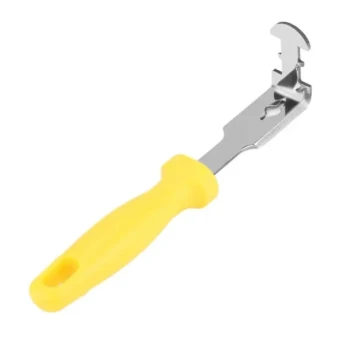
Bee Pathology Tools act as the precise diagnostic engine of modern apiary management. While standard tools maintain the physical hive, pathology tools utilize microscopic examination and rapid biochemical testing to identify specific pathogens, such as Varroa mites and American Foulbrood, before they become visible to the naked eye.
By serving as an early warning system, these tools enable beekeepers to intervene during the initial stages of an infection, preventing mass colony mortality and safeguarding the biosafety and production stability of the commercial apiary.
The Strategic Value of Early Detection
Precision Identification of Threats
Visual inspections often miss the microscopic precursors to colony collapse. Professional pathology tools allow you to perform microscopic examinations and biochemical tests directly on bee samples. This moves diagnosis from guesswork to scientific certainty, specifically targeting high-risk pathogens like Varroa mites and bacterial infections.
The "Early Warning" Advantage
The primary benefit of these tools is time. By identifying an infection in its initial stages, you can deploy targeted treatments before the pathogen spreads to neighboring hives. This proactive approach prevents the need for drastic, colony-level culling later in the season.
Safeguarding Production Stability
Disease outbreaks are the single largest disruptor to honey yield and pollination contracts. By integrating pathology tools, you secure the biosafety of the operation. This ensures that the mechanized efficiencies of modern harvesting—mentioned in broader management contexts—are not rendered useless by a lack of healthy bees to harvest from.
Operational Integration and Data
Enhancing Hygiene Protocols
Pathology results should not exist in a vacuum; they must inform your wider management strategy. When combined with specialized hygiene record tools, pathology data allows you to track exactly when and where an infection started. This helps identify if a specific cleaning process or environmental change triggered a health fluctuation.
Preventing Operational Bottlenecks
Relying on intuition rather than data can lead to crisis management, forcing operators to revert to inefficient, traditional rescue methods. A consistent regimen of testing ensures you maintain the integrity of your improved hives. This keeps your operation running on industrial-grade automated schedules rather than emergency triage time.
Understanding the Trade-offs
The Requirement for Specialized Consumables
Implementing pathology tools introduces a reliance on a stable supply chain. As with other modern apiary inputs, a lack of specific testing reagents or microscope slides can render the hardware useless, potentially causing a reversion to less effective manual monitoring.
The Learning Curve
Unlike standard hive tools (smokers or hive irons), pathology tools require a higher degree of technical knowledge. Operators must be trained to prepare samples and interpret biochemical results accurately. Misinterpreting data can lead to either false complacency or unnecessary chemical treatments.
Making the Right Choice for Your Goal
To maximize the value of Bee Pathology Tools, align their use with your specific operational objectives:
- If your primary focus is Risk Management: Prioritize high-frequency biochemical testing to catch American Foulbrood before it necessitates burning hives.
- If your primary focus is Production Efficiency: Use microscopic examination to monitor Varroa levels, ensuring colony strength stays high during peak pollination windows.
True apiary resilience is built not just on the volume of honey produced, but on the precise, scientific understanding of the colony's health.
Summary Table:
| Benefit | Description | Key Impact |
|---|---|---|
| Early Detection | Identifies pathogens like Varroa & AFB before symptoms appear | Prevents mass colony mortality |
| Scientific Precision | Uses microscopic and biochemical analysis over visual guesswork | Enables targeted, effective treatment |
| Biosafety Security | Protects colonies from widespread infection outbreaks | Safeguards honey yield & pollination contracts |
| Data-Driven Strategy | Integrates results with hygiene records for better management | Optimizes long-term apiary health |
Secure Your Apiary’s Future with HONESTBEE Professional Diagnostics
Don’t let hidden pathogens compromise your commercial success. HONESTBEE empowers commercial apiaries and distributors with the precision tools needed for modern bee pathology. As a comprehensive wholesale provider, we supply everything from high-tech hive-making machinery and honey-filling systems to essential industry consumables and specialized diagnostic equipment.
Maximize your colony resilience and production efficiency. Partner with a supplier that understands the science of beekeeping.
Contact HONESTBEE Experts Today
References
- K. Beula, A Anandhy. Beekeeping for Women Empowerment in India: An Overview. DOI: 10.5281/zenodo.3549312
This article is also based on technical information from HonestBee Knowledge Base .
Related Products
- Plastic Beekeeping Honey Bee Larvae Grafting Tools for Queen Rearing and Chinese Grafting
- Professional Dual-End Stainless Steel Hive Tool for Beekeeping
- Stainless Steel Queen Grafting Tool for Beekeeping and Bee Queen Grafting
- HONESTBEE 15-in-1 Beekeeper Multi-Tool with Hammer and Pliers for Beekeeping
- Classic Wooden Bee Brush with Double-Row Boar Bristles
People Also Ask
- How do larvae grafting tools and royal jelly production kits contribute to a diversified bee product strategy?
- What happens if a larva is grafted too late? Avoid Scrub Queens and Failed Rearing
- What is the primary function of a Professional Bee Larvae Grafting Tool in queen rearing? Enhance Breeding Efficiency
- What is the grafting method of queen rearing? Master Controlled Queen Production for Your Apiary
- What is the primary function and technical requirement of a larvae grafting tool? Master Precision Queen Rearing