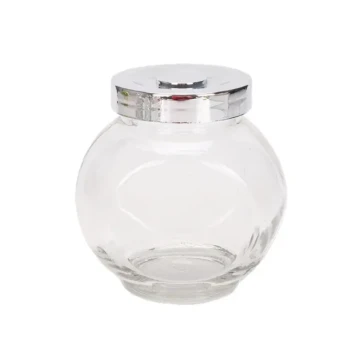
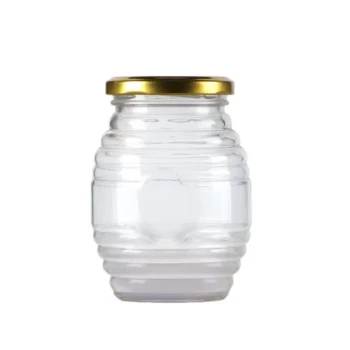
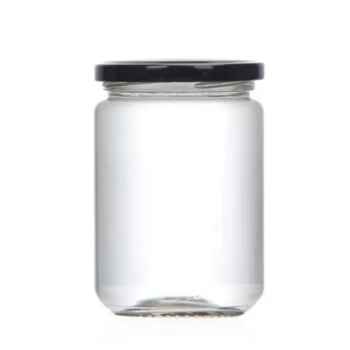
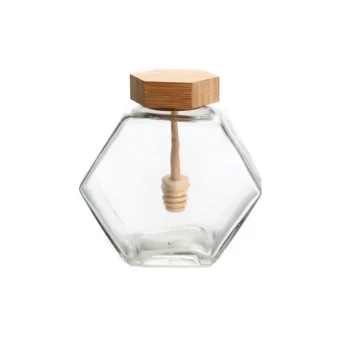
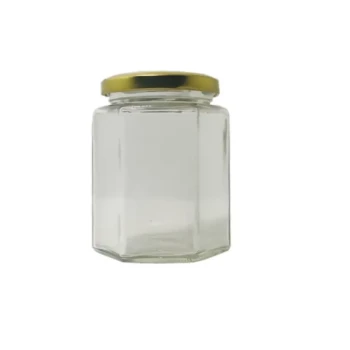
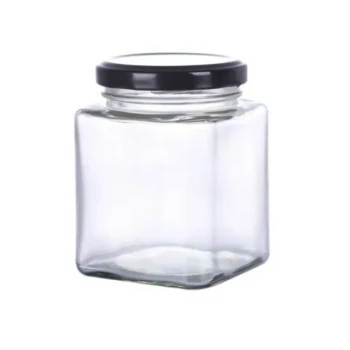
Glass represents the gold standard for packaging raw honey primarily due to its chemical inertness. Unlike reactive materials, glass acts as a neutral vessel that does not leach chemicals into the product or degrade over time. This ensures the honey’s purity, flavor, and chemical composition remain exactly as the bees produced them.
Core Takeaway Glass offers an unparalleled combination of chemical stability and barrier protection, ensuring raw honey remains unaltered by its container or the outside environment. While it presents logistical challenges, it is the definitive choice for producers prioritizing product purity, long-term preservation, and premium market positioning.
Preserving Chemical Integrity and Purity
The Power of Inert Materials
The most critical advantage of glass is that it is inert. It possesses a non-porous surface that refuses to interact chemically with the honey stored inside.
Eliminating Chemical Leaching
Because glass is chemically neutral, there is zero risk of the container leaching synthetic chemicals into the honey. This guarantees that the honey’s delicate chemical balance remains undisturbed.
Flavor Retention
Glass is odorless and tasteless. By preventing chemical reactions, it ensures the specific floral notes and flavor profile of the raw honey are preserved without alteration.
Superior Barrier Properties
Protection Against Moisture
Honey is naturally hygroscopic, meaning it absorbs moisture from the air, which can lead to fermentation and spoilage. Glass provides an impermeable barrier that effectively isolates the honey from external humidity.
Retaining Volatile Aromatics
The distinctive aroma of raw honey comes from volatile compounds that can easily escape through permeable packaging. Glass creates an airtight seal that locks these aromatic substances inside, maintaining the honey's sensory quality over long periods.
Preventing Oxidation
High-quality glass prevents gas exchange. This stops oxygen from entering the container, effectively preventing oxidation and the subsequent degradation of the honey’s natural enzymes.
Visual Appeal and Market Perception
Transparency and Consumer Trust
High transparency allows consumers to directly inspect the product's color, clarity, and consistency. Being able to see the product builds market trust and allows connoisseurs to judge quality based on visual standards.
Monitoring Crystallization
Raw honey naturally crystallizes over time. Clear glass allows consumers and retailers to observe the crystallization levels, which is often interpreted as a sign of authenticity in raw honey products.
Premium Aesthetic
Glass jars, such as traditional Muth or Queenline styles, communicate a "premium" feel. This elevates the perceived market value of the product compared to plastic alternatives.
Processing Durability
Thermal Resistance
Glass can withstand high filling temperatures without deforming. This offers producers flexibility during the bottling process that heat-sensitive plastics cannot match.
Understanding the Logistics Trade-offs
Increased Shipping Weight
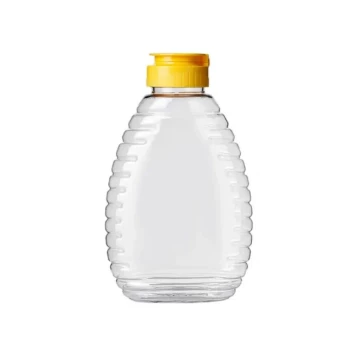
The primary downside to glass is its density. An empty 1 lb glass jar can weigh between 14 to 16 ounces, significantly increasing shipping costs compared to lightweight plastic alternatives.
Fragility and Breakage
Glass is susceptible to shattering during handling and transit. This necessitates investment in protective packaging, such as bubble wrap and reinforced boxes, adding to the overall cost per unit.
Storage Limitations
Due to the risk of structural failure or breakage, glass jars cannot be stacked as high as plastic containers. This requires more structured and expansive warehousing solutions.
Making the Right Choice for Your Goal
While glass is superior for quality, the logistical implications must be weighed against your business model.
- If your primary focus is Product Purity: Choose glass to ensure zero chemical leaching and absolute flavor preservation.
- If your primary focus is Premium Branding: Utilize high-transparency glass to showcase the honey's color and texture, commanding a higher price point.
- If your primary focus is E-commerce/Shipping: Carefully calculate the increased freight costs and breakage rates associated with heavy glass containers.
Ultimately, glass is the only packaging material that guarantees the consumer experiences the honey exactly as it existed in the hive.
Summary Table:
| Feature | Glass Jar Benefit | Impact on Honey |
|---|---|---|
| Material Inertness | No chemical leaching | Preserves purity and original flavor |
| Barrier Property | Impermeable to moisture/gas | Prevents fermentation and oxidation |
| Transparency | High visual clarity | Builds consumer trust and shows quality |
| Thermal Stability | High heat resistance | Allows flexible, high-temperature bottling |
| Aesthetics | Premium weight and feel | Increases perceived value and market price |
Elevate Your Honey Brand with HONESTBEE
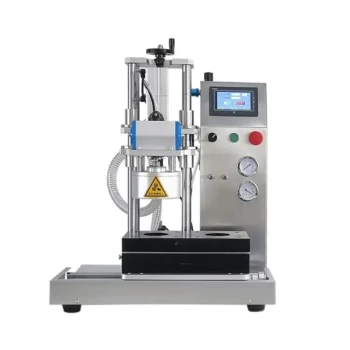
As a professional beekeeper or distributor, your product deserves packaging and processing equipment that reflects its quality. HONESTBEE provides a comprehensive range of commercial-grade beekeeping tools, specialized honey-filling machines, and premium hardware designed to preserve the integrity of your harvest. From industrial hive-making machinery to essential consumables, we empower commercial apiaries to scale efficiently while maintaining the highest standards.
Ready to upgrade your production? Contact us today to explore our wholesale solutions and discover how our expertise can grow your business.
Related Products
- Classic Drum Shaped Glass Honey Jar with Airtight Lid
- Classic Glass Honey Jar with Metal Lug Cap for Beehive Storage
- Classic Round Glass Honey Jar with Lid
- Hexagonal Glass Honey Jar with Wooden Lid Integrated Dipper Elegant Functional Storage
- Hexagonal Glass Honey Jars with Metal Lug Caps Elegant Versatile Packaging
People Also Ask
- What is the best utensil to store honey? Preserve Purity with the Right Container
- How does the appearance of glass jar packaging affect the sales and perception of honey? Boost Your Premium Brand Value
- Why is a glass jar preferred for packaging honey? Ultimate Protection for Purity & Flavor
- What is the aesthetic appeal of using glass jars for honey? Elevate Your Brand with Premium Packaging
- What are the advantages of glass containers for honey? Elevate Quality and Market Value with Premium Packaging