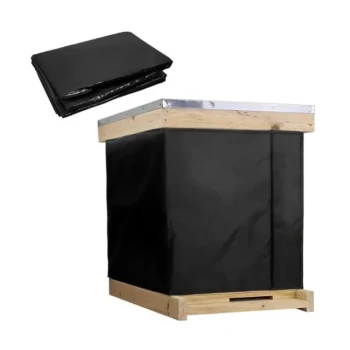
Specialized insulation materials serve as a critical physical barrier for beehives during winter, functioning primarily to reduce heat loss and stabilize the internal microclimate. By mitigating thermal fluctuations, these materials lower the biological energy required for the colony to maintain its cluster temperature. This conservation of energy prevents the queen from initiating brood rearing prematurely and ensures the colony retains enough vitality for spring pollination.
The core value of thermal insulation is not merely "keeping bees warm," but rather conserving the colony's limited energy reserves. By reducing the metabolic cost of heat production, insulation ensures bees survive the winter with higher populations and sufficient food stores.
The Mechanics of Thermal Defense
Reducing Metabolic "Burn Rate"
Honeybees do not hibernate; they actively generate heat by vibrating their wing muscles. This process consumes significant amounts of stored honey.
By applying high-quality insulation, you reduce the rate at which heat escapes the hive hardware. This directly decreases the metabolic burden on the bees, allowing them to maintain the necessary nest temperature (typically between 24 and 34 degrees Celsius) while consuming fewer resources.
Stabilizing the Microclimate
External temperatures can fluctuate drastically during winter months. Without protection, these spikes and dips cause internal heat stress for the colony.
Insulation blankets and insulated cover boxes act as a buffer, smoothing out these fluctuations. This stability prevents the colony from having to constantly adjust their cluster density, reducing physical stress on individual bees.
Biological Impact on Colony Management
Regulating Brood Rearing Timing
A critical, often overlooked benefit of specialized insulation is its role in biological timing. The primary reference indicates that proper insulation helps prevent the queen from beginning brood rearing too early.
If a hive warms up falsely due to a lack of insulation buffers during a temporary warm spell, the queen may lay eggs. When the cold returns, the colony must consume massive energy to keep that brood warm, often leading to starvation. Insulation maintains a consistent "winter" signal until true spring arrives.
Moisture and Condensation Control
While heat retention is primary, the interaction between insulation and ventilation is vital for moisture control.
In uninsulated hives, warm moist air from the bees hits cold walls, causing condensation. Cold water dripping on a bee cluster is often fatal. Superior insulation keeps the internal walls warmer, significantly reducing the risk of moisture condensation and subsequent colony loss.
Understanding the Trade-offs
The Necessity of Ventilation
Insulation must never be airtight. While you want to trap heat, you must allow for the escape of metabolic moisture.
Over-insulating without optimizing ventilation can lead to a damp, moldy environment. The goal is a warm, dry hive, not a hermetically sealed box.
Monitoring Requirements
Because insulation masks the internal state of the hive from the outside, visual cues regarding colony health may be obscured.
Beekeepers using heavy insulation should rely on non-invasive monitoring methods, such as internal temperature sensors, rather than opening the hive. breaking the propolis seal or thermal envelope for inspection during cold weather can undo the benefits of the insulation instantly.
Making the Right Choice for Your Goal
When integrating thermal materials into your apiary management, consider your specific objectives:
- If your primary focus is Colony Survival: Prioritize insulation with high thermal retention properties to minimize honey consumption and prevent starvation.
- If your primary focus is Spring Yield: Focus on insulation that stabilizes the microclimate to ensure the queen delays brood rearing until resources are naturally available.
By managing the thermal environment effectively, you transform winter from a struggle for survival into a period of controlled dormancy that sets the stage for a productive spring.
Summary Table:
| Key Benefit | Mechanism | Impact on Colony health |
|---|---|---|
| Energy Conservation | Reduces rate of heat escape | Lowers metabolic honey consumption |
| Climate Stability | Buffers external temperature spikes | Reduces physical stress on the winter cluster |
| Biological Timing | Prevents premature brood rearing | Ensures colony vitality for spring pollination |
| Moisture Control | Keeps internal hive walls warm | Minimizes fatal cold-water condensation |
| Resource Management | Optimizes food store longevity | Increases survival rates in long winters |
Maximize Your Colony Survival with HONESTBEE
At HONESTBEE, we specialize in supporting commercial apiaries and distributors with high-performance beekeeping solutions. From specialized insulation and thermal management tools to advanced hive-making and honey-filling machinery, our comprehensive wholesale portfolio is designed to enhance your operational efficiency and yield.
Ready to upgrade your apiary’s winter defense? Contact us today to explore our full spectrum of professional beekeeping equipment and essential industry consumables. Let us help you ensure a more productive and healthy spring season.
References
- Alíz Feketéné Ferenczi, Andrea Bauerné Gáthy. Evaluation of the Pollination Ecosystem Service of the Honey Bee (Apis mellifera) Based on a Beekeeping Model in Hungary. DOI: 10.3390/su15139906
This article is also based on technical information from HonestBee Knowledge Base .
Related Products
- Professional Insulated Winter Hive Wrap for Beekeeping
- Inner Beehive Cover for Beekeeping Bee Hive Inner Cover
- Professional Insulated Plastic Bee Hives
- Telescopic Beehive Outer Cover Lid Roof with Galvanised Sheeting for Langstroth Hive and Beehive Outer Cover
- Professional Galvanized Steel Frame Rest for Beehives
People Also Ask
- What are the steps to properly wrap a beehive for winter? Ensure Your Colony Survives the Cold
- When is the best time to wrap a beehive for winter? A Guide to Perfect Winterization Timing
- How do professional insulation wraps provide protection for bee colonies? Optimize Winter Survival & Energy Efficiency
- What are the technical benefits of using winter wraps for beehive insulation? Boost Colony Survival & Hive Health
- What are the benefits of using insulated covers for hives? Ensure Colony Survival and Health