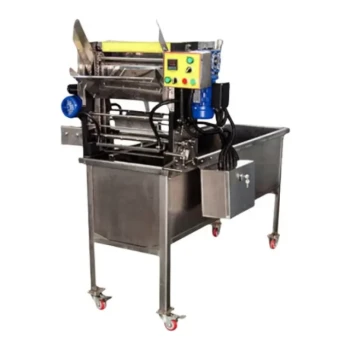
Professional honey filling and packaging machinery fundamentally contribute to the retail supply chain by enforcing precise quantitative standards and ensuring long-term product preservation. By integrating high-precision metering with modern sealing technologies, these systems guarantee accurate net weights for every unit while effectively blocking oxygen and moisture infiltration. This dual function preserves the honey’s volatile aromatic compounds and prevents the physical degradation that often occurs during storage.
The core value of this machinery lies in converting bulk raw material into a standardized, shelf-stable consumer product. It bridges the gap between the apiary and the retail shelf by ensuring the physical and chemical stability necessary for commercial distribution.
Standardizing the Product for Retail
The transition from bulk honey to individual retail units requires strict adherence to quantity and consistency. Professional machinery eliminates the variability inherent in manual processing.
Precision in Quantitative Packaging
The primary contribution of this equipment is the assurance of accurate net weight. Automated filling systems utilize precise volumetric controls to ensure every bottle meets the exact specifications required by regulators and consumers.
Reducing Material Loss
By mechanizing the filling process, producers significantly reduce product waste associated with overfilling or spillage. This quantitative precision ensures that the maximum amount of raw inventory is successfully converted into saleable retail units.
Ensuring Product Preservation and Quality
Once the honey is bottled, the challenge shifts to maintaining its quality against environmental factors. Professional packaging plays a critical role in extending shelf life.
Blocking Environmental Contaminants
When paired with modern consumables, such as glass or plastic bottles with specialized sealing gaskets, this machinery creates a hermetic seal. This barrier effectively blocks the infiltration of oxygen and external moisture.
Preventing Fermentation and Oxidation
Moisture acts as a catalyst for fermentation in honey, while oxygen leads to oxidation. By strictly controlling these elements, the machinery prevents spoilage and color degradation, ensuring the product remains stable even during long-distance or transoceanic transport.
Retaining Sensory Profiles
Honey contains volatile aromatic components that define its flavor and premium status. Professional sealing processes lock these components inside the package, ensuring the consumer experiences the intended flavor profile rather than a degraded version.
Hygiene and Market Competitiveness
Beyond basic containment, professional machinery elevates the safety and visual appeal of the final product, which is essential for entering high-end markets.
The Closed-Loop Sanitary System
Advanced machinery facilitates a sanitary packaging environment that minimizes human contact. This reduction in handling lowers the risk of secondary contamination, ensuring the honey meets strict food circulation standards.
Enhancing Brand Value
Uniform filling levels and professional capping improve the aesthetic consistency of the product on the shelf. This visual professionalism is a key driver in enhancing brand competitiveness and justifying premium pricing in retail channels.
Understanding the Trade-offs
While automation offers significant advantages, it introduces specific dependencies that producers must manage to ensure supply chain resilience.
Dependency on Consumable Quality
The machinery’s ability to preserve honey is entirely dependent on the quality of the consumables used. Even the most advanced filler cannot prevent oxidation if the bottles or sealing gaskets are of inferior quality or incompatible specifications.
Calibration and Maintenance Requirements
To maintain the "precise quantitative packaging" promised by the equipment, rigorous calibration is required. Neglecting maintenance can lead to drift in filling volumes, quickly eroding the margin benefits gained from automation.
Optimizing Your Supply Chain Strategy
To leverage these contributions effectively, align your machinery choice with your specific market position.
- If your primary focus is Shelf Stability: Prioritize machinery compatible with high-grade sealing gaskets to maximally block oxygen and moisture infiltration.
- If your primary focus is Profit Margins: Focus on the precision of the volumetric filling system to eliminate overfilling and material loss.
- If your primary focus is Market Expansion: Ensure the equipment supports sanitary, closed-loop processing to meet the strict hygiene certifications required for export.
Success in the honey supply chain is not just about filling bottles; it is about locking in quality and locking out contaminants.
Summary Table:
| Contribution Factor | Key Benefit | Impact on Supply Chain |
|---|---|---|
| Quantitative Precision | Accurate volumetric filling | Minimizes material waste and ensures regulatory compliance |
| Atmospheric Sealing | Blocks oxygen and moisture | Prevents fermentation and preserves volatile aromatic compounds |
| Sanitary Processing | Closed-loop automated system | Minimizes contamination and meets global food safety standards |
| Product Aesthetics | Uniform filling and capping | Enhances brand value and competitiveness on retail shelves |
Scale Your Apiary Business with HONESTBEE
Maximize your profit margins and ensure premium product quality with HONESTBEE’s professional-grade honey filling and packaging solutions. We provide a comprehensive wholesale range, from specialized honey-filling machines to high-quality sealing consumables and beekeeping tools, specifically designed for commercial apiaries and distributors.
Ready to upgrade your production line and enhance your brand's market competitiveness?
Contact Our Experts Today to discover how our tailored machinery can streamline your supply chain and protect your honey's value.
References
- Alemayehu Tolera, Simret Betsha. Honey Marketing Systems and Market Constraints in Horo District Oromia Regional State, Ethiopia. DOI: 10.26855/ijfsa.2021.12.024
This article is also based on technical information from HonestBee Knowledge Base .
Related Products
- Precision Automated Packaging Turntable Honey Spoon Filling Sealing Packing Machine
- Economy Small Honey Filling Machine Honey Bottle Filler Packaging Machine
- Fully Automatic Honey Filling Packaging Machine for Processing Line
- Double Nozzle Small Honey Filling Machine Honey Sachet Packing Packaging Equipment
- Small Honey Filling Machine Sachet Packing Equipment Single Nozzle
People Also Ask
- Why is the use of professional filling and sealing packaging machinery necessary for the production of high-value honey?
- What role do automated filling and packaging machines play in the honey supply chain? Scale Your Retail Distribution
- What are the benefits of automated honey filling and packaging? Scale Your Apiary with Industrial Precision
- What role do professional automated filling and packaging machines play in honey processing? Boost Efficiency & Value
- How do automated honey filling and packaging machines contribute to the market value of honey products? Maximize Your ROI