Building a Top Bar Hive is generally more cost-effective than establishing a standard Langstroth hive system. Because these hives can be constructed from a wide variety of materials, including inexpensive or locally sourced lumber, they offer a significantly lower financial barrier to entry for new beekeepers.
Core Takeaway While the initial material costs for a Top Bar Hive are low, the true investment depends on your local climate and design choices. Colder regions require thicker walls or added insulation to match the heat retention of vertical hives, which can increase the overall project cost.
The Economic Advantages of Material Selection
Flexibility Reduces Cost
The primary reason Top Bar Hives are less expensive is their adaptability. Unlike vertical hives that require precise dimensions for modular boxes, a Top Bar Hive can be built from rough lumber or scrap wood.
Accessibility of Materials
This design is considered a practical choice in areas where modern beekeeping equipment is scarce or expensive. You do not need specialized manufacturing tools or pre-fabricated parts to construct a functional unit.
The Hidden Costs of Climate Adaptation
Insulation Requirements
The most significant variable in your cost calculation is insulation. In cooler or cold climates, horizontal hives naturally retain less heat than vertical designs.
The Cost of Thicker Lumber
To compensate for heat loss, you cannot simply use the cheapest, thinnest wood available. You must construct the hive with exceptionally thick walls or purchase additional external insulation materials to prevent colony loss during winter.
Design Dimensions and Efficiency
Sizing for Honey Production
To ensure the hive is productive—and therefore a worthy investment—you must budget for enough material to build a hive of adequate length. A length of at least 40 inches is recommended to give bees sufficient space to store excess honey.
Structural Stability vs. Material Use
The shape of the hive body dictates the stability of the comb. It is better to build a wide and shallow hive rather than a narrow and deep one.
Avoiding Comb Breakage
While a deep box might seem efficient, long combs are unstable and prone to breaking. The cost of repairing collapsed combs and losing brood outweighs the savings of building a deeper, narrower box.
Understanding the Trade-offs
Simplicity vs. Standardization
While you save money on the initial build, you lose the standardization of the Langstroth system. You generally cannot buy pre-made components off the shelf; you must build replacements yourself.
Management Complexity
The cost saving comes with a "management tax." Because the combs are fragile (especially in deep designs) and not supported by four-sided frames, you must handle them with greater care and time than standard frames.
Making the Right Choice for Your Goal
Before purchasing lumber, define your primary objective for the apiary.
- If your primary focus is keeping costs low: Utilize inexpensive, locally sourced wood, but ensure the design is wide and shallow to prevent comb collapse.
- If your primary focus is overwintering in a cold climate: Budget for thicker lumber or rigid foam insulation, as a standard single-board box will likely result in colony failure.
- If your primary focus is honey production: Ensure your design plan accounts for a total length of at least 40 inches to provide ample storage space.
Build for the climate you have, not just the budget you want, to ensure your investment lasts.
Summary Table:
| Cost Factor | Level | Consideration |
|---|---|---|
| Initial Materials | Low | Uses rough lumber or scrap wood; no specialized parts needed. |
| Climate Insulation | Variable | Colder regions require thicker walls or rigid foam insulation. |
| Hive Dimensions | Moderate | Minimum 40-inch length recommended for honey production. |
| Component Costs | Low | DIY construction eliminates the need for pre-made modular boxes. |
| Long-term Value | High | Durable if built wide and shallow to prevent comb breakage. |
Scale Your Beekeeping Operation with HONESTBEE
Whether you are a commercial apiary owner or a distributor looking to supply high-quality equipment, HONESTBEE is your strategic partner. We bridge the gap between low-cost DIY solutions and professional-grade efficiency by offering a comprehensive wholesale range of:
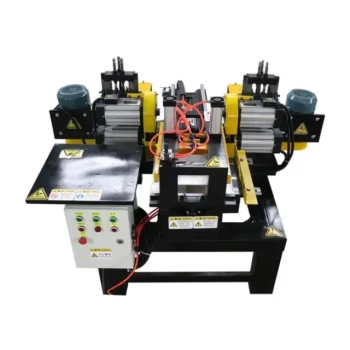
- Advanced Machinery: Hive-making and honey-filling machines to automate your production.
- Professional Tools: A full spectrum of beekeeping hardware and essential consumables.
- Value-Add Products: Unique honey-themed cultural merchandise to diversify your retail offerings.
Ready to enhance your productivity and lower your overhead? Contact HONESTBEE today to discuss our wholesale pricing and how our specialized equipment can support your growth.
Related Products
- Top Bar Beehive for Beekeeping Wholesales Kenya Top Bar Hive
- Long Langstroth Style Horizontal Top Bar Hive for Wholesale
- HONESTBEE Top Bar & Bottom Bar Forming Machine | Bee Frame Machine
- HONESTBEE Square Top Hive Bee Feeder Top Bee Feeder
- HONESTBEE Round Hive Top Bee Feeder for Syrup
People Also Ask
- How is burr comb and propolis removed from a top bar hive? A Practical Guide for Hive Maintenance
- How does comb construction differ between a top bar hive and a Langstroth hive? Choose the Best Method for Your Apiary
- Why do top bar hives require beekeepers to detach comb? Master the Detach-then-Lift Technique for Comb Safety
- How does the design of a top bar hive minimize disturbance to the bees during inspection? Achieve a Calmer, More Natural Approach
- What are the main differences between a top bar hive and a Langstroth hive? A Guide to Choosing Your Hive