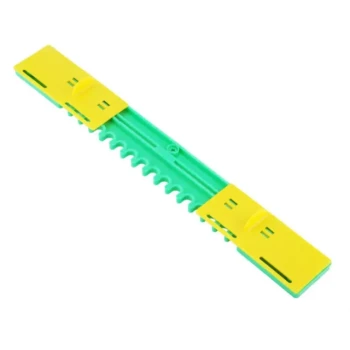
To successfully reorient bees after a short-distance move, you generally have three effective options: placing a physical obstruction in front of the hive entrance, moving them during periods of inactivity (such as rain or winter), or sequestering them inside the hive for up to 72 hours. These techniques interrupt the bees' routine, triggering their instinct to reset their internal location tracking before their next flight.
Core Insight: Bees rely on precise spatial memory; if moved a short distance without intervention, foragers will return to the exact spot where the hive used to be. You must force them to acknowledge a change in their immediate environment to overwrite their previous GPS-like coordinates.
The Obstruction Method
This is often considered the most practical method for active hives during the season.
Disruption Triggers Reorientation
The goal is to place an object directly in front of the hive entrance—commonly a leafy branch.
How It Works
When the bees exit the hive, the obstruction blocks their usual flight path and presents an unfamiliar view.
This unexpected physical barrier forces them to stop and perform an "orientation flight" (flying in circles facing the hive) to memorize the new surroundings before foraging.
Leveraging Weather and Seasons
You can use natural pauses in bee activity to your advantage.
Moving During Rain
If a period of rainy weather is forecast, you can move the hive knowing the bees will not be flying.
Because they remain inside during the rain, the delay helps disrupt their daily foraging rhythm, increasing the likelihood they will reorient when the weather clears.
Moving During Winter
During winter dormancy, bees are not flying out to forage.
Moving a hive in the winter ensures that when spring arrives and flights resume, the colony naturally orients to the current location without confusion.
Sequestration (Confinement)
This method involves physically preventing the bees from leaving the hive for a set period.
Forcing a Reset
You can keep the entrance screen on for up to 72 hours after the move.
The extended confinement degrades their short-term spatial memory, compelling them to reorient upon their eventual release.
Critical Safety Warning
This method carries significant risk and is not recommended during hot weather.
Bees generate immense heat; without the ability to circulate air or exit, a confined colony can easily overheat and die.
Understanding the Trade-offs
Each method has specific implications for colony health and beekeeper effort.
Simplicity vs. Risk
The obstruction method balances simplicity with high safety, as it does not restrict airflow or require weather dependence.
The Dangers of Sequestration
While effective, sequestration is the most aggressive technique. It requires careful monitoring of temperature to prevent colony collapse.
Reliability of Weather
Relying on rain or winter is the least stressful for the bees, but it requires your schedule to match Mother Nature's.
Making the Right Choice for Your Goal
The best method depends on the current season, the weather forecast, and the urgency of the move.
- If your primary focus is immediate action during the season: Use the obstruction method (leafy branch) to force reorientation without risking overheating.
- If your primary focus is minimal stress on the colony: Plan your move during winter months or a predicted rainy spell when bees are naturally grounded.
- If your primary focus is moving in mild weather without obstructions: You may use sequestration, but only if you are certain temperatures will remain cool enough to ensure survival.
For most beekeepers moving hives in active seasons, a physical obstruction at the entrance offers the safest and most reliable results.
Summary Table:
| Method | Action Required | Best Time to Use | Risk Level |
|---|---|---|---|
| Obstruction | Place leafy branch at entrance | Active foraging season | Low - Safest method |
| Weather-Based | Move during rain or winter | Periods of inactivity | Low - Stress-free |
| Sequestration | Screen hive for up to 72 hours | Mild or cool weather | High - Overheating risk |
Maximize Your Colony's Success with HONESTBEE
Moving hives is just one part of managing a successful apiary. At HONESTBEE, we specialize in supporting commercial apiaries and distributors with high-quality, professional-grade beekeeping solutions. From specialized hive-making and honey-filling machinery to essential industry consumables and tools, we provide everything you need to scale your operations efficiently.
Whether you are expanding your commercial fleet or stocking a distribution network, our comprehensive wholesale offerings ensure you have the best hardware and honey-themed merchandise available.
Ready to elevate your beekeeping business? Contact us today to learn how our equipment and expertise can drive your productivity forward.
Related Products
- Professional Reversible Beehive Hive Entrance
- Professional Wooden Requeening Frame for Beekeeping
- Circular Labyrinth Bee Escape for Efficient Hive Management
- Professional Bee Frame Machine for Side Bar Shaping
- Durable 16 Way Circular Bee Escape for Efficient Honey Harvesting
People Also Ask
- Where is the hive entrance typically located? Optimize Your Hive's Health and Honey Production
- What role does the size of the entrance play in hive ventilation? Master Beehive Climate Control
- What roles does the hive entrance (piquera) play in beehive management and colony health? Essential Guide for Pro Apiaries
- What are the primary advantages of providing a smaller entrance for a beehive? Boost Defense and Winter Survival
- Why adjust beehive entrance size for humidity? Boost Honey Ripening and Varroa Control in Commercial Apiaries