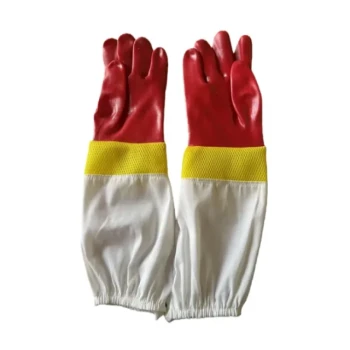
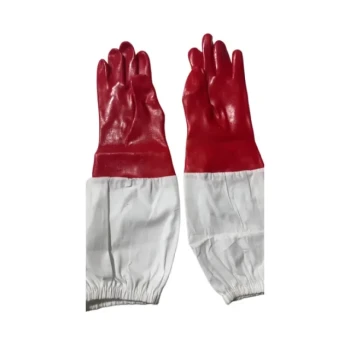
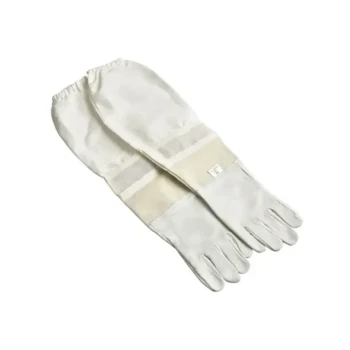
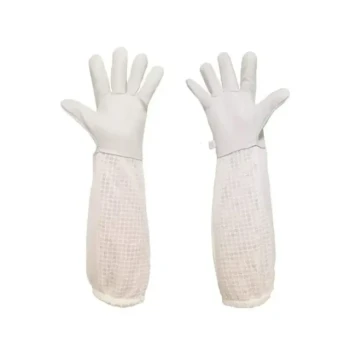
Beekeepers generally choose from three primary options regarding hand protection: standard beekeeping gloves (often leather), disposable nitrile gloves, or going bare-handed. The decision involves balancing the need for a durable physical shield against the requirement for tactile sensitivity and precise movement.
Core Takeaway While standard leather gloves offer the most robust protection against stings, many beekeepers now view nitrile gloves as a superior "middle-ground" option. Nitrile sacrifices some protection to provide the dexterity needed for gentle frame manipulation, which can ultimately prevent agitating the colony.
The Spectrum of Hand Protection
Standard Beekeeping Gloves
The most traditional option involves standard beekeeping gloves, which are typically made of leather. These provide a durable physical shield for the hands during hive tasks.
They are designed to be a complete barrier. This makes them the safest choice for avoiding stings directly.
However, modern variations include lightweight versions of these standard gloves. These attempt to offer the traditional safety of a gauntlet style with slightly less bulk.
Nitrile Gloves
A popular "middle-ground" approach is the use of nitrile gloves, similar to those used by medical professionals.
These gloves offer significantly more feel and dexterity than leather. Because they fit tightly and are thin, they allow you to handle frames and tools with greater precision.
While they are not sting-proof, they do offer some protection compared to bare skin. They act as a sanitary barrier and can reduce the severity of a sting or the likelihood of a bee catching its stinger in your skin.
The No-Glove Approach
Some beekeepers choose to wear no gloves at all.
This option provides maximum tactile feedback. It allows the beekeeper to feel exactly what they are touching, ensuring no bees are crushed by clumsy movements.
This requires a high degree of confidence and acceptance of the risk of being stung.
Understanding the Trade-offs
Protection vs. Agitation
There is a functional trade-off between shielding your hands and keeping the bees calm.
Leather gloves protect the wearer, but their bulk can lead to clumsiness. If you accidentally crush bees due to lack of feeling, the colony may become aggressive, actually increasing the danger of the situation.
Nitrile gloves or bare hands allow for precise movements. This gentler handling often results in a calmer hive, indirectly acting as a form of safety.
Psychological Security
High-quality PPE is essential for overcoming the fear of being stung.
For new beekeepers, the fear of injury can lead to rushing or panic. In this context, the heavy protection of leather gloves serves a vital purpose: it creates a safe environment that encourages participation and calm management.
As you gain experience, you may trade that psychological security for the efficiency and "feel" of lighter options.
Making the Right Choice for Your Goal
Selecting the right gear is a matter of personal preference and experience level.
- If your primary focus is maximum safety and confidence: Choose standard leather gloves to ensure a durable shield against stings while you learn to work calmly.
- If your primary focus is dexterity and precision: Switch to nitrile gloves to improve your tactile feel while retaining a sanitary, protective layer.
- If your primary focus is total sensory feedback: Consider working glove-less, but only once you are comfortable with hive temperament and the risk of stings.
The best protective equipment is the kind that allows you to work the hive safely, gently, and without fear.
Summary Table:
| Protection Option | Material | Sting Protection | Tactile Sensitivity | Best For |
|---|---|---|---|---|
| Standard Gloves | Heavy Leather | Maximum (High) | Low (Bulky) | Beginners & Aggressive Hives |
| Nitrile Gloves | Synthetic Rubber | Moderate (Low) | High | Experienced Beekeepers & Precision Tasks |
| Bare Hands | N/A | None | Maximum | Maximum Sensory Feedback & Calm Hives |
Elevate Your Apiary Management with HONESTBEE
At HONESTBEE, we understand that the right protection is key to maintaining both beekeeper safety and colony health. As a leading provider for commercial apiaries and global distributors, we offer more than just premium protective gear.
Our extensive wholesale catalog includes:
- Comprehensive Equipment: From high-dexterity gloves to professional-grade protective suits.
- Advanced Machinery: Specialized hive-making and honey-filling machines to scale your operations.
- Industry Consumables: A full spectrum of tools and supplies to keep your apiary productive.
Whether you are stocking a distribution center or scaling a commercial honey business, our team is ready to provide the high-quality hardware and merchandise you need. Contact us today to explore our wholesale offerings and see how HONESTBEE can support your growth.
Related Products
- Beekeeping Gloves Goatskin Leather with Long Cotton Sleeve for Beekeepers
- Heavy Duty Red Rubber Beekeeping Gloves with Vented Mesh Cotton Sleeves
- Heavy Duty Red Rubber Beekeeping Gloves with Extended Pure Cotton Sleeves for Beekeepers
- Goatskin Leather Beekeeper Gloves with Vent Long Sleeve for Beekeeping Honey Bee Sting Proof Protection
- Premium Ventilated Goatskin Beekeeping Gloves with Full 3-Layer Mesh Sleeve
People Also Ask
- What are the characteristics of the best gloves for beekeeping? Choose Protection & Dexterity
- What are the primary purposes of using beekeeping gloves? Protect Your Hands and Ensure Apiary Hygiene
- What types of gloves are available for beekeeping? Choose the Right Protection for Your Hive
- Why is it important for beekeepers to wear gloves? Essential Safety and Confidence for Hive Management
- Why do some experienced beekeepers opt not to wear gloves? Discover the Benefits of Tactile Precision