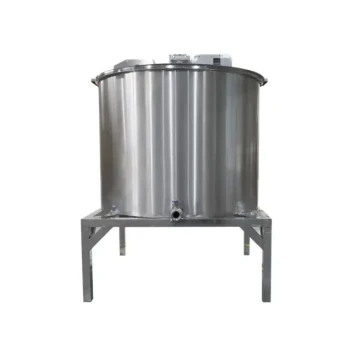
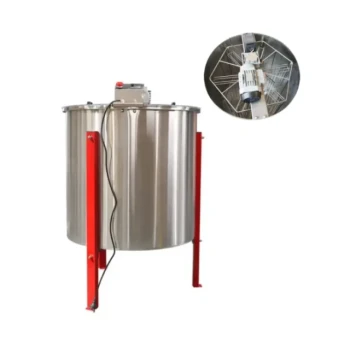
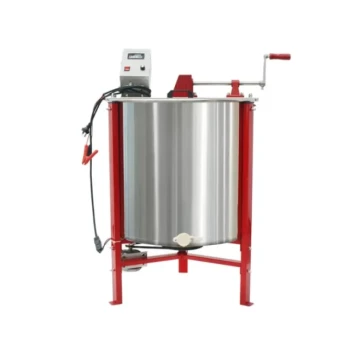
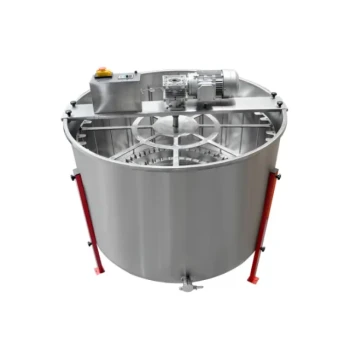
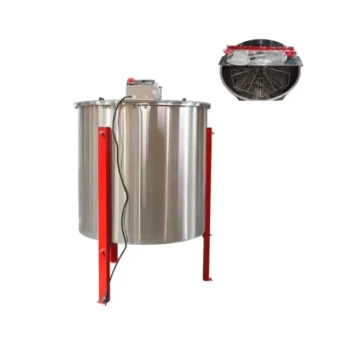
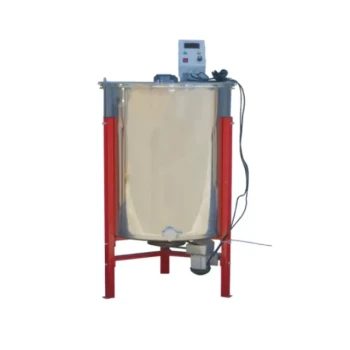
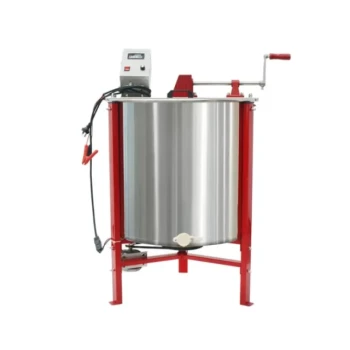
While electric honey extractors significantly reduce physical labor, they introduce distinct financial and operational drawbacks that can complicate the harvesting process for smaller apiaries. The primary disadvantages are the substantial upfront investment, the absolute dependency on a power source, and the increased risk of damaging honeycomb due to high-speed automation.
The most critical downsides of an electric honey extractor are its higher cost and the limitation of requiring a power source, which restricts portability. Furthermore, the automated force can inadvertently destroy delicate combs if not carefully monitored, and the equipment is generally more difficult to clean and maintain than manual models.
Financial and Logistical Barriers
The Burden of Initial Investment
Electric extractors command a significantly higher purchase price than manual hand-crank models. This cost barrier is often difficult to justify for hobbyists with only a few hives.
Unavoidable Power Dependency
Unlike manual extractors, which can be used anywhere, electric models require a reliable electricity source. This limits where you can set up your extraction line and increases utility costs.
Restricted Portability
Because they rely on power outlets or generators, these units are less practical for off-grid locations or field extraction. Their heavier motors and components also make them physically harder to transport and store.
Operational Risks and Maintenance
Potential for Comb Damage
One of the most frustrating disadvantages is the risk of comb "blowouts." If the motor spins the basket too fast before the honey has sufficiently drained, the centrifugal force can destroy the wax structure.
Loss of Tactile Feedback
With a manual extractor, you can feel the weight of the frames and adjust your speed intuitively. Electric motors eliminate this physical feedback loop, making it easier to accidentally apply too much force to delicate frames.
The Cleaning Challenge
Sanitation is critical to prevent the spread of diseases, but electric extractors are more challenging to clean. You must carefully navigate around the motor and electrical components to avoid water damage while ensuring all honey residue is removed.
Understanding the Trade-offs
Mechanical Complexity vs. Reliability
While manual extractors are mechanically simple, electric models involve motors and technological components. This introduces the risk of mechanical failure and necessitates regular maintenance or costly repairs if the electronics malfunction.
Storage Space Requirements
Due to their larger capacity and motor housing, electric models often require more dedicated storage space. This can be a significant inconvenience for beekeepers with limited operational areas or garages.
Making the Right Choice for Your Goal
The decision to go electric depends entirely on the scale of your operation and your budget.
- If your primary focus is budget and simplicity: Stick with a manual extractor, as it offers better control and lower costs for small-scale harvesting.
- If your primary focus is efficiency and volume: Invest in an electric extractor with speed controls, accepting the higher maintenance requirements in exchange for reduced physical labor.
- If your primary focus is comb preservation: Choose a model (manual or high-end electric) that prioritizes gradual speed increases to protect your wax assets.
Select the tool that solves your bottleneck without introducing complexities you aren't prepared to manage.
Summary Table:
| Feature | Electric Honey Extractor Disadvantage | Impact on Beekeeper |
|---|---|---|
| Cost | High initial purchase price | Significant capital investment required |
| Portability | Requires constant power source | Limited to locations with electricity |
| Comb Safety | High speed can cause "blowouts" | Risk of destroying valuable wax structures |
| Maintenance | Complex motor & electrical parts | Harder to clean and costlier to repair |
| Feedback | Lack of tactile manual control | Easier to over-spin delicate frames |
Scaling Your Apiary? Partner with HONESTBEE for the Right Equipment
Choosing the right tools shouldn't be a trade-off between efficiency and quality. At HONESTBEE, we specialize in supporting commercial apiaries and distributors with a comprehensive range of professional beekeeping solutions. From high-precision honey-filling machines to robust honey extractors and essential consumables, our portfolio is designed to maximize your output while protecting your assets.
Whether you are looking to upgrade your extraction line or need a reliable wholesale partner for hive-making machinery and honey-themed merchandise, we are here to help.
Ready to optimize your beekeeping operation? Contact our experts today to find the perfect equipment for your business goals!
Related Products
- HONESTBEE 72 Frame Industrial Electric Honey Extractor for Beekeeping
- Commercial Electric 12 Frame Honey Extractor Spinner Motorized Honey Extractor
- 32 Frame Commercial Electric Honey Extractor for Beekeeping and Honey Production
- Electric 4 Frame Tangential Honey Extractor
- electric honey extractor honey centrifuge 3 frame honey extractor stainless steel honey frame extractor
People Also Ask
- What is the importance of balancing honeycomb frames within a honey extractor? Ensure Stability and Protect Machinery
- How is honey separated from the frames after they are uncapped? Efficient Extraction Methods for High Yields
- What are the main benefits of using a honey extractor? Maximize Yields and Protect Your Honeycomb
- What are the recommended methods for removing honey from the honeycomb? Top Extraction Techniques for Maximum Efficiency
- How do manual honey extractors compare to electric honey extractors? Choosing the Right Tool for Your Apiary Growth