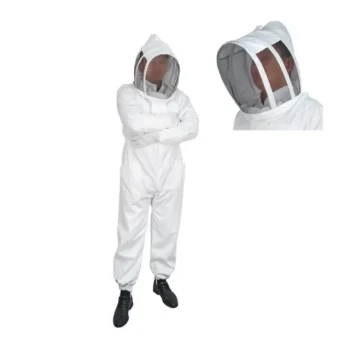
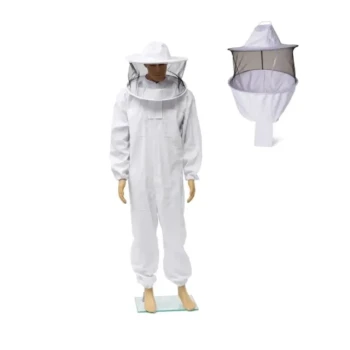
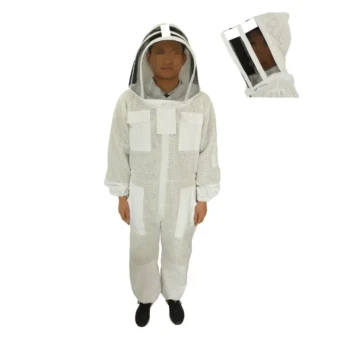
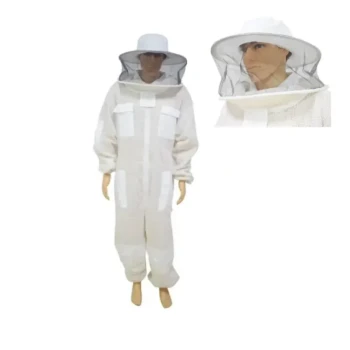
The primary disadvantages of using a beekeeping suit are related to physical discomfort and operational inconvenience. specifically, a full suit takes significantly longer to put on and take off compared to a jacket, traps body heat which can lead to overheating on hot days, restricts movement (especially when bending over), and typically costs more than partial protective gear.
Core Takeaway: While a full beekeeping suit offers the highest level of gap-free protection, the trade-off is a significant reduction in mobility and airflow. This makes the gear physically taxing to wear during high-heat summer inspections and less practical for quick tasks.
The Physical Constraints of Full Protection
Thermal Regulation and Overheating
Beekeeping is predominantly a warm-weather activity, and a full suit effectively acts as a heavy second layer of clothing.
Because the material must be thick enough to prevent stings, it often suffers from low ventilation.
This lack of airflow causes the wearer to heat up quickly, leading to discomfort and heavy perspiration, particularly for those who are sensitive to heat.
Restricted Mobility and Ergonomics
A full suit connects the veil, jacket, and trousers into a single continuous unit.
This one-piece design creates mechanical resistance, making the suit feel restrictive when you attempt to bend over or crouch to lift heavy hive boxes.
The overall comfort rate is generally lower than wearing separate pieces, as the fabric may pull or tighten against your body depending on your posture.
Operational and Financial Drawbacks
Time and Convenience
Donning a full suit is a deliberate process rather than a quick action.
You must ensure that ankle cuffs, wrist closures, and main zippers are perfectly secured to prevent bees from entering.
This "gear-up" time makes the full suit less convenient for quick, routine checks compared to a jacket, which is easier to slip on and off.
The Cost Factor
Simply put, a full suit requires more material and more complex manufacturing than a simple jacket or veil.
Consequently, quality suits are generally more expensive.
To mitigate the heat issues mentioned above, you may need to invest in premium, breathable fabric blends, which drives the cost up further.
Understanding the Trade-offs
The Fit vs. Protection Dilemma
A common pitfall is choosing a suit that is too fitted in an effort to reduce bulkiness.
However, if the suit is too tight, the fabric stretches directly against your skin.
This eliminates the air gap needed for safety, allowing bees to sting through the fabric and effectively rendering the suit useless.
Visibility and Dexterity
While the veil is a critical safety feature, it inherently reduces visibility.
The mesh barrier can make it difficult to spot fine details, such as eggs or the queen, making inspections more challenging.
Making the Right Choice for Your Goal
Select your gear based on your experience level and the specific conditions of your apiary.
- If your primary focus is maximum safety and confidence: Choose a full suit to ensure no gaps exist at the waist and to keep messy propolis off your personal clothing.
- If your primary focus is cooling and agility: Opt for a beekeeping jacket, which is lighter, better ventilated, and far easier to put on for inspections in high heat.
The ideal protective gear strikes a balance that keeps you safe from stings without causing heat exhaustion or limiting your ability to work the hive effectively.
Summary Table:
| Disadvantage Category | Key Issue | Impact on Beekeeper |
|---|---|---|
| Thermal Regulation | Trapped body heat | Higher risk of overheating and perspiration in summer |
| Mobility | One-piece design | Restricted movement when bending or lifting heavy hive boxes |
| Convenience | Lengthy setup time | Less practical for quick inspections compared to jackets |
| Cost | More material/complexity | Generally more expensive than partial protective gear |
| Functionality | Tight fit risks | Bees can sting through fabric if the air gap is eliminated |
Maximize Your Productivity with Professional Gear
At HONESTBEE, we understand that the right protective equipment is a balance between safety and efficiency. Whether you are a commercial apiary manager or a global distributor, our comprehensive wholesale range is designed to meet every operational need.
We provide high-quality, breathable beekeeping suits, jackets, and specialized hardware—from hive-making machinery to honey-themed merchandise—tailored to keep you comfortable and protected.
Ready to upgrade your inventory or equip your team? Contact us today to discover how our wholesale solutions and industry-leading equipment can streamline your beekeeping operations!
Related Products
- Premium Cotton Beekeeper Suit with Reinforced Fencing Veil
- Professional Cotton Beekeeper Suit with Round Veil Design for Commercial Apiaries
- Professional Beekeeper Suit with Square Folding Cotton Veil
- Vented Beekeeping Jacket with Hood and Veil for Beekeepers
- Three-Layer Ventilated Beekeeper Suit with Structured Fencing Veil
People Also Ask
- What material and design specifications are recommended for a high-quality beekeeper suit? Top Gear Selection Guide
- How to Pre-treat Propolis Stains on Beekeeping Suits? Master Advanced Fabric Care and Soil Removal
- What features should be considered for sting protection in a beekeeping suit? Ensure Total Safety and Comfort
- What are the differences between full suits and jackets with veils in beekeeping? Choose Your Best Protection
- What features should be looked for in a beekeeping suit for maximum comfort? Prioritize Ventilation and Fit