Establishing a successful honey bee breeding program requires a strategic combination of professional-grade hive hardware, rigorous genetic selection protocols, and controlled mating environments. Success is defined by the breeder’s ability to balance desirable traits—such as high honey production and docile temperament—with biological resilience against stressors like Varroa mites and commercial pollination demands.
To build a scalable breeding operation, professionals must integrate a full-spectrum portfolio of modular hive components with data-driven selection criteria. This synergy ensures the production of high-performance stock that meets the specific environmental and economic needs of the end-user.
High-Performance Hardware and Infrastructure
Modular Hive Assemblies
A professional breeding program starts with a versatile, modular hive system consisting of a hive stand, bottom board, deep hive bodies, and honey supers. This structure allows for rapid expansion or contraction based on colony growth and seasonal needs.
Standardization across these components is critical for efficient order fulfillment and inventory management in large-scale operations. High-quality frames and queen excluders further refine the breeding process by isolating the queen for precise brood management.
Essential Management Tools
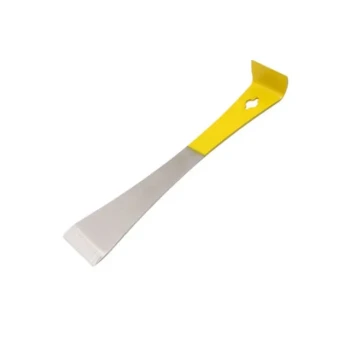
Reliable management requires a robust set of tools, including hive tools for frame manipulation and smokers to maintain a calm environment during inspections. Protective clothing is non-negotiable for maintaining the safety and efficiency of the apiary staff.
Speed and reliability in sourcing these tools are vital. A one-stop sourcing partner ensures that all hardware, from feeders to protective gear, is compatible and arrives through ultra-fast delivery channels to prevent operational delays.
Genetic Selection and Performance Evaluation
Prioritizing Key Traits
Successful breeders select for a complex of behaviors, primarily focusing on honey productivity, temperament, and overwintering ability. These traits determine the commercial viability of the stock for both hobbyist and professional beekeepers.
Modern breeding also emphasizes Varroa mite resistance. Selection must be meticulous, as there is often a "colony cost" where selecting too heavily for one trait may temporarily impact overall honey yield.
Environmental Stressor Analysis
Colonies must be evaluated based on their intended environment, whether they are destined for stationary apiaries or high-stress commercial pollination. A queen that thrives in a backyard may not withstand the rigors of cross-country transport.
Professional industry expertise is required to match the right genetic stock to the specific environmental pressures of the region. This targeted approach reduces colony loss and increases customer satisfaction.
Advanced Breeding and Mating Control
Controlled Mating Environments
To ensure genetic progress, breeders must control which drones mate with their virgin queens. This is often achieved through isolated mating yards, where the breeder stocks the area with specific "drone mother" colonies to influence the local gene pool.
For maximum precision, some programs utilize Artificial Insemination (AI). While this requires specialist equipment and training, it provides 100% control over the mating process and is the gold standard for high-level genetic research.
Nutritional and Bio-Security Support
A breeding program is only as strong as its foundation of health. This involves providing liquid feed and pollen substitutes during nectar dearths to maintain queen rearing momentum.
Predator protection and biosecurity measures for the bee yard are also essential components. Utilizing a supplier with a comprehensive product portfolio allows breeders to secure everything from feeders to hive security in a single transaction.
Understanding the Trade-offs and Pitfalls
The Cost of Specialization
One common pitfall is over-specializing in a single trait, such as mite resistance, at the expense of colony vigor. This can result in "survivalist" bees that do not produce enough honey to be commercially profitable for the end-user.
Record-Keeping Failures
Meticulous record-keeping is the backbone of any breeding program. Without detailed data on every colony's performance across multiple seasons, breeders risk "bottlenecking" their genetics or inadvertently breeding for aggressive traits.
Inventory and Supply Chain Lapses
In the fast-paced breeding season, a delay in receiving queen cages or feeders can ruin a production cycle. Relying on partners with rapid response times and efficient fulfillment is critical to avoid these costly logistical bottlenecks.
Making the Right Choice for Your Goal
Building a reputable breeding program requires deep technical knowledge and a reliable supply chain partner.
- If your primary focus is commercial pollination: Prioritize hardware durability and stock that demonstrates high resilience to transport and environmental flux.
- If your primary focus is high-yield honey production: Invest in modular supers and select for genetics with proven winter hardiness and rapid spring buildup.
- If your primary focus is genetic preservation: Focus on isolated mating equipment and AI tools to maintain the purity of specific honey bee subspecies.
By integrating premium hardware with expert biological management, you can establish a breeding program that delivers consistent, high-value results to the market.
Summary Table:
| Component | Key Features | Commercial Value |
|---|---|---|
| Modular Hardware | Hive stands, deep bodies, supers, & excluders | Simplifies scaling and inventory management |
| Genetic Selection | Focus on productivity, docility, & mite resistance | Increases colony survival and honey yields |
| Mating Control | Isolated mating yards & Artificial Insemination (AI) | Ensures genetic purity and trait consistency |
| Management Tools | Professional smokers, hive tools, & protective gear | Enhances operational safety and labor efficiency |
| Support Systems | Liquid feeders & pollen substitutes | Maintains queen health during nectar dearths |
Scale Your Breeding Operation with HONESTBEE – Your Premier B2B Sourcing Partner
Are you looking to enhance your wholesale inventory or optimize a large-scale commercial apiary? HONESTBEE provides a comprehensive, one-stop sourcing solution for distributors and professional beekeepers worldwide. From specialized hive-making and honey-filling machinery to high-quality beekeeping tools and essential consumables, we deliver the full spectrum of industry needs.
Why Partner with HONESTBEE?
- Comprehensive Portfolio: Everything from hardware to honey-themed cultural merchandise.
- Rapid Fulfillment: Ultra-fast delivery and efficient order processing to keep your operations running.
- Expertise & Support: Deep industry knowledge with dedicated service and OEM/ODM capabilities.
- Reliable Supply Chain: High-performance equipment designed for durability and commercial success.
Ready to secure a reliable supply of premium beekeeping equipment? Contact HONESTBEE Today to discuss our wholesale offerings and how we can support your business growth.
Related Products
- HONESTBEE Premium Italian Style Hive Tool with Hardwood Handle
- Professional Stainless Steel Pry-Bar Hive Tool
- HONESTBEE Classic Pry Bar Hive Tool with High Visibility Finish for Beekeeping
- HONESTBEE Professional Long Handled Hive Tool with Precision Cutting Blade
- Durable Plastic Interlocking Hive Connector for Beekeeping
People Also Ask
- What distinguishes an Italian hive tool? Master High-Leverage Beekeeping with This Extra-Long Design
- Which intervention materials and management tools are used in commercial apiaries? Protect Your Bees from Pesticides
- What are the common construction features of hive tools? Key Insights for Superior Beekeeping Efficiency
- What are the different types of hive tools available? Choose the Right Tool for Your Apiary
- Why are professional hive tools & observation equipment necessary for queen rearing evaluation? Master Your Quality