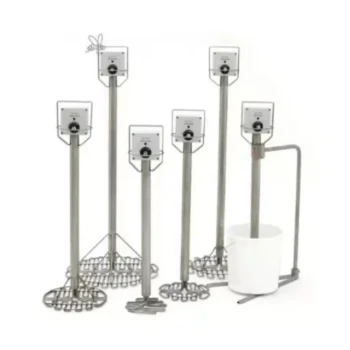
Mechanical honey presses and melting separation equipment serve the distinct function of isolating raw honey from the beeswax structure through physical force and thermal dynamics. While presses utilize mechanical pressure to crush the comb and expel the liquid, melting equipment leverages controlled heat to reduce viscosity, allowing the lighter wax to separate naturally from the heavier honey.
Core Insight: These technologies represent the "brute force" and "thermal" approaches to extraction. Unlike centrifugal extractors that spin honey out to save the comb, presses and melters are primarily used when the comb structure does not need to be preserved or when processing wax cappings.
The Role of Mechanical Honey Presses
The Mechanism of Physical Extraction
Mechanical presses operate by applying significant force to the honeycomb matrix. Typically utilizing a screw-driven pressure plate, these machines compress the honeycomb within a loading chamber.
This physical squeezing breaks the wax caps and collapses the cell structure. The pressure forces the honey out of the comb material and directs it through an overflow outlet for collection.
Increasing Yield and Efficiency
The primary advantage of a mechanical press over traditional manual squeezing or gravity drainage is the recovery rate.
By applying consistent, high-pressure mechanical force, the equipment extracts a significantly higher percentage of honey from the wax matrix. It transforms a labor-intensive manual task into a faster, more streamlined process.
The Role of Melting Separation Equipment
Thermal Viscosity Reduction
Melting separation equipment functions by carefully manipulating the physical properties of the honey.
The equipment applies controlled heat to the honey-wax mixture. This increase in temperature reduces the viscosity (thickness) of the honey, making it flow more freely.
Density-Based Separation
Once the honey is liquefied and less viscous, the natural difference in density between honey and beeswax takes over.
The equipment facilitates a separation phase where the lighter beeswax rises to the top while the heavier honey settles at the bottom. This allows the wax to be skimmed off or the honey to be drained from below, acting as a critical preliminary purification step before fine filtration.
Understanding the Trade-offs
Comb Destruction
It is vital to understand that unlike centrifugal extractors, mechanical presses destroy the honeycomb.
When you use a press, you are crushing the comb to extract the liquid. This means the bees must rebuild the wax comb from scratch for the next season, which consumes energy and time for the colony. This method is often reserved for top-bar hives or when harvesting wax is a secondary goal.
Thermal Risks
Melting separation requires precise temperature control.
If the temperature rises too high, you risk degrading the quality of the honey by destroying enzymes or altering the flavor profile. This method is effective for separation but demands careful monitoring to maintain the honey's raw properties.
Making the Right Choice for Your Goal
When deciding between these extraction methods, consider your operational priorities:
- If your primary focus is Maximum Wax Harvest: Choose the mechanical press, as it processes the entire comb and allows you to harvest both honey and a significant amount of beeswax.
- If your primary focus is Purification of Cappings: Choose melting separation equipment, as it effectively separates the leftover honey from the wax cappings removed during the uncapping process.
By selecting the right equipment for the specific phase of extraction, you ensure efficient processing without compromising the quality of your final product.
Summary Table:
| Equipment Type | Primary Mechanism | Honeycomb Impact | Best Use Case |
|---|---|---|---|
| Mechanical Honey Press | Physical Pressure (Screw-driven) | Destroyed/Crushed | Maximum wax harvest & top-bar hives |
| Melting Separator | Thermal Viscosity Reduction | Melted/Separated | Processing cappings & purification |
| Centrifugal Extractor | Centrifugal Force | Preserved | Commercial production for comb reuse |
Elevate Your Apiary Operations with HONESTBEE
At HONESTBEE, we specialize in empowering commercial apiaries and distributors with high-performance beekeeping machinery and professional-grade tools. Whether you need heavy-duty mechanical honey presses for wax recovery, precision honey-filling machines for packaging, or specialized hive-making equipment, our comprehensive wholesale portfolio is designed to scale your business.
From essential industry consumables to honey-themed cultural merchandise, we provide the full spectrum of equipment needed to streamline your production and increase yield. Contact us today to discuss how our specialized hardware can enhance your facility's efficiency and product quality.
References
- Abideen Abiodun Alarape, P. E. Arira. Survey of Apicultural Practices in Ibadan, Oyo State, Nigeria. DOI: 10.22161/ijeab.51.11
This article is also based on technical information from HonestBee Knowledge Base .
Related Products
- Electric Honey Press Machine for Squeezing Honey Comb Press Equipment
- Stainless Steel Jack Type Honey Comb Press Machine Wax and Honey Separator
- Honey Wax Separating Wax Press with Metal Screw Wax Separator Machine
- Stainless Steel Manual Honey Press with Guard for Pressing Honey and Wax
- Economy Honey Homogenizer Mixer and Melting Machine for Beekeeping
People Also Ask
- What is the pressing honey method? A Guide to Simple, Pollen-Rich Honey Extraction
- What are the steps for extracting honey using a press? Master Traditional Extraction for Pure, Flavorful Honey
- For which type of beekeeping operations is this honey press most suitable? Efficient Solutions for High-Volume Apiaries
- What are some general features of a honey press? Maximize Your Yield with Durable Extraction Tools
- What is the purpose of the raised frame on the honey press? Simplify Logistics and Improve Extraction Workflow