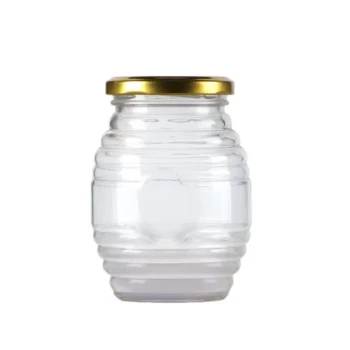
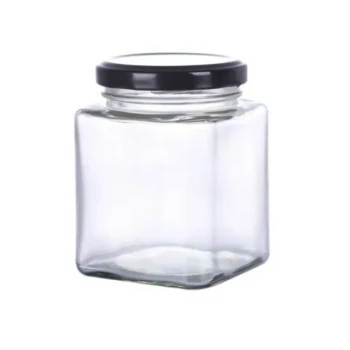
Airtight sterile glass containers serve as the primary defense system for honey samples during collection and pre-treatment, safeguarding the sample's integrity against environmental variables. Their function is to create a chemically inert and biologically secure environment that prevents contamination, stabilizes moisture content, and preserves sensitive bioactive components.
Core Takeaway: The use of these containers is not merely about storage; it is a critical scientific control. By eliminating variables such as container leaching, moisture exchange, and external microbial introduction, airtight sterile glass ensures that subsequent laboratory data—specifically regarding antibacterial activity and enzymatic levels—accurately reflects the honey's original state at the collection site.
Preserving Biological Integrity
Blocking External Contamination
The most immediate function of a sterile container is to prevent cross-contamination. Honey samples must be isolated from environmental microorganisms during collection and transport.
Using industrial-grade sterile containers guarantees that any microbes detected in the lab are native to the honey, rather than introduced by the sampling equipment or the atmosphere.
Ensuring Authentic Microbial Counts
This isolation is essential for accurate quantitative analysis. It ensures that measured total colony counts, molds, and yeast levels truly reflect the sanitary status of the apiary.
Without this barrier, secondary contamination would skew detection results, rendering safety assessments invalid.
Ensuring Chemical Stability
Preventing Component Migration
The material choice of glass is crucial because of its chemical inertness. Unlike some plastics, glass avoids "component migration," where substances from the container leach into the sample.
This stability ensures that the honey's chemical profile remains unaltered, preventing foreign compounds from interfering with sensitive analytical instruments.
Protecting Bioactive Components
Primary research highlights that glass containers are vital for ensuring the stability of biological active components, specifically glucose oxidase (GOX).
GOX is a key enzyme responsible for honey's antibacterial properties. By using chemically stable glass, researchers can ensure that the enzymatic activity measured in the lab is reliable and has not degraded due to interaction with the container walls.
Light Protection (Amber Glass)
While standard glass provides chemical stability, amber glass offers an additional function: filtering ultraviolet and visible light.
This prevents the photochemical degradation of light-sensitive bioactive substances, such as phenolic compounds. Preserving these compounds is necessary for accurate antioxidant analysis.
Controlling Physical Consistency
Regulating Moisture Content
Honey is hygroscopic, meaning it readily absorbs moisture from the air. Airtight sealing prevents the honey from absorbing atmospheric water or losing moisture through evaporation.
Fluctuations in moisture content can trigger premature fermentation or alter the concentration of solutes. Maintaining the original water content is critical for the accuracy of initial physicochemical measurements.
Retaining Volatile Compounds
Airtight containers also function to trap volatile organic compounds responsible for honey's specific aroma and taste.
For varieties like chestnut honey, preventing volatilization preserves unique sensory characteristics—such as woody aromas and specific bitter tastes—ensuring that sensory evaluation data remains objective.
Facilitating Pre-treatment
In the laboratory pre-treatment phase, these containers provide a controlled environment for mixing.
When combined with precision diluents, sterile glass bottles allow for the uniform homogenization of high-viscosity honey. This ensures that microorganisms are fully suspended, leading to improved detection sensitivity during testing.
Understanding the Trade-offs
Fragility and Logistics
While glass offers superior chemical inertness compared to plastic, it introduces physical risks. Glass is heavy and prone to breakage during transport, which can lead to the total loss of samples.
Light Exposure in Clear Glass
If clear glass is used rather than amber glass, the sample remains vulnerable to photodegradation. While the sample is chemically isolated from the container, it is not isolated from radiation, which can degrade light-sensitive enzymes and antioxidants over time.
Making the Right Choice for Your Goal
To select the appropriate sampling protocol, align your container choice with your primary analytical objective:
- If your primary focus is Antibacterial Assessment: Prioritize sterile glass to protect glucose oxidase (GOX) activity and prevent chemical leaching that could inhibit bacterial growth.
- If your primary focus is Sensory Profiling: Ensure the container is strictly airtight to prevent the loss of volatile aromatic compounds and fermentation.
- If your primary focus is Antioxidant Analysis: Use amber sterile glass to combine chemical inertness with protection against UV-induced degradation of phenolic compounds.
The integrity of your final data is only as strong as the containment method used during the very first moment of collection.
Summary Table:
| Function | Feature | Benefit for Honey Samples |
|---|---|---|
| Biological Integrity | Sterile Environment | Prevents external microbial contamination and ensures accurate colony counts. |
| Chemical Stability | Inert Glass Material | Prevents container leaching and protects sensitive enzymes like Glucose Oxidase (GOX). |
| Moisture Control | Airtight Sealing | Stops hygroscopic moisture absorption and prevents premature fermentation. |
| Light Protection | Amber Coating | Filters UV light to safeguard light-sensitive phenolic compounds and antioxidants. |
| Aroma Retention | Hermetic Seal | Traps volatile organic compounds to maintain the honey's authentic sensory profile. |
Elevate Your Apiary Standards with HONESTBEE
At HONESTBEE, we understand that the quality of your honey depends on the precision of your tools. Whether you are a commercial apiary or a specialized distributor, we provide the professional-grade equipment necessary to maintain the highest industry standards. From airtight glass storage solutions to advanced honey-filling machines and specialized beekeeping hardware, our comprehensive wholesale catalog is designed to support your growth.
Why partner with us?
- Comprehensive Supply: A full spectrum of machinery, tools, and consumables.
- Industry Expertise: Solutions tailored for high-volume commercial operations.
- Global Reach: Reliable logistics for distributors worldwide.
Contact HONESTBEE today to discover how our wholesale beekeeping equipment can optimize your production and preserve the integrity of your honey products!
References
- Ines Boudiar, Paul Schweitzer. Qualitative Melissopalynology Analysis, Glucose Oxydase Activity, and Antibacterial Effect of Honey Samples from Different Botanical Origin. DOI: 10.30699/ijmm.17.4.396
This article is also based on technical information from HonestBee Knowledge Base .
Related Products
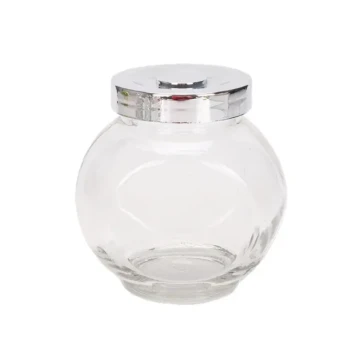
- Classic Drum Shaped Glass Honey Jar with Airtight Lid
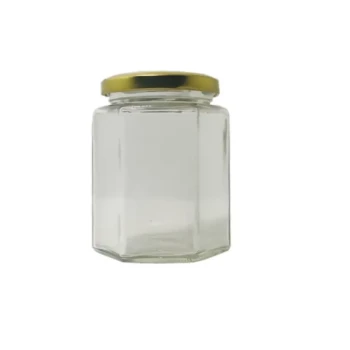
- Hexagonal Glass Honey Jars with Metal Lug Caps Elegant Versatile Packaging
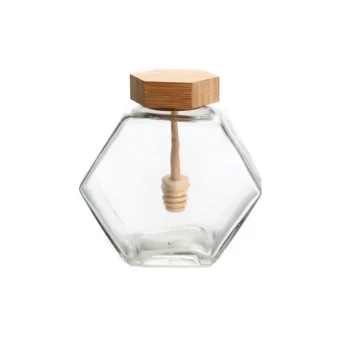
- Hexagonal Glass Honey Jar with Wooden Lid Integrated Dipper Elegant Functional Storage
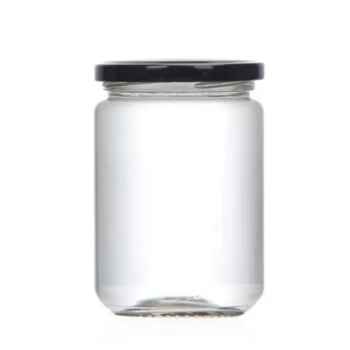
- Classic Round Glass Honey Jar with Lid
- Classic Glass Honey Jar with Metal Lug Cap for Beehive Storage
People Also Ask
- What is the best utensil to store honey? Preserve Purity with the Right Container
- How does the appearance of glass jar packaging affect the sales and perception of honey? Boost Your Premium Brand Value
- Why is a glass jar preferred for packaging honey? Ultimate Protection for Purity & Flavor
- What is the aesthetic appeal of using glass jars for honey? Elevate Your Brand with Premium Packaging
- What are the advantages of glass containers for honey? Elevate Quality and Market Value with Premium Packaging