The primary disadvantage of using a queen excluder is its tendency to impede worker bee movement, earning it the controversial nickname "honey excluder" among many beekeepers. Beyond simply blocking the queen, these devices can reduce honey production, physically injure bees, and create ventilation issues that threaten the colony's health.
Core Takeaway While queen excluders simplify harvesting by keeping brood out of honey supers, they act as a throttle on the hive's natural flow. They can discourage workers from storing honey in upper boxes, damage wings, and inadvertently trigger swarming by congesting the brood nest.
The Impact on Productivity and Flow
The "Honey Excluder" Effect
Many beekeepers observe that worker bees are reluctant to squeeze through the excluder's gaps. When workers hesitate to enter the honey supers, they may reduce foraging or store honey in the brood box instead.
Reduced Honey Production
This reluctance creates a bottleneck in the hive's workflow. If the colony feels separated from the supers, the total honey harvest can be significantly lower compared to hives that allow free vertical movement.
Congestion and Swarming
When workers refuse to cross the excluder, they often "backfill" the brood nest with nectar and pollen. This restricts the queen's laying area, creating artificial congestion that can signal the colony to swarm.
Physical Risks to the Bees
Wing Damage and Lifespan
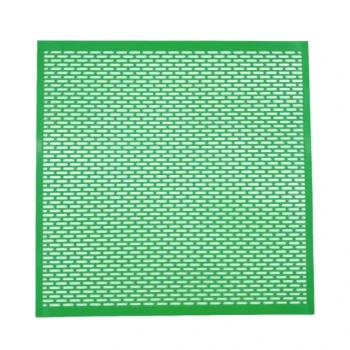
Certain excluders, particularly stamped or punched plastic models, often have sharp edges remaining from the manufacturing process. As worker bees squeeze through repeatedly, these edges can fray or damage their wings, effectively shortening their foraging lifespan.
Drone Entrapment
Drones are larger than workers and cannot pass through the excluder. If an excluder is placed above a box containing drones—or if brood is moved above the excluder—drones become trapped and may die, clogging the device and creating unsanitary conditions.
Fatalities in the Barrier
It is not uncommon for larger drones to attempt to force their way through the gaps. They can become physically stuck in the mesh or slots and die, further blocking airflow and traffic for the workers.
Hive Environment and Maintenance
Ventilation and Overheating
Bees frequently build "burr comb" (excess wax) and propolis on the excluder bars. This buildup reduces air circulation through the hive, which can lead to dangerous overheating during hot weather.
Ineffective Separation
While rare, the excluder is not a fail-safe guarantee. Undersized or virgin queens can sometimes squeeze through the gaps, laying eggs in the honey supers and defeating the purpose of the device.
Maintenance Burdens
Excluders require regular cleaning to remove wax and propolis, which can be difficult depending on the material. They represent an additional cost to the beekeeper and add a layer of complexity to hive inspections.
Understanding Material-Specific Trade-offs
The Downsides of Plastic
Plastic excluders are generally cheaper but suffer from durability issues. They are prone to warping and sagging, which alters the gap size, and they can become brittle or deformed if cleaned with high heat or exposed to gamma irradiation.
The Downsides of Metal
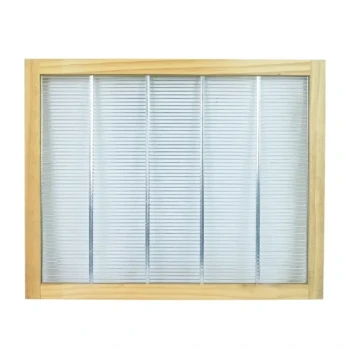
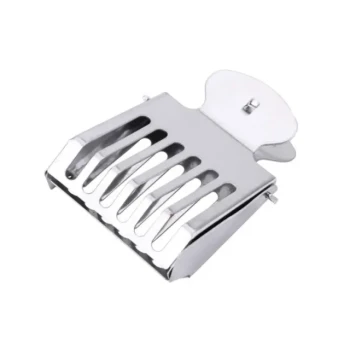
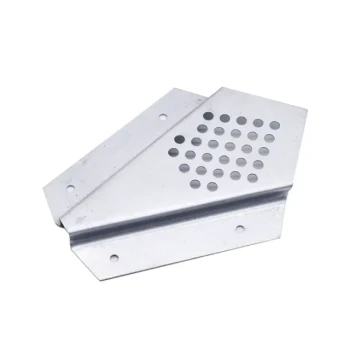
Metal excluders are significantly heavier and more expensive. They act as thermal bridges, conducting heat and cold into the hive, and certain designs with folded edges can provide hiding spots for pests like small hive beetles.
Making the Right Choice for Your Goal
Before installing a queen excluder, assess your specific management objectives for the season.
- If your primary focus is maximum honey production: Consider leaving the excluder off to encourage faster drawing of comb and unrestricted storage in the supers.
- If your primary focus is "natural" beekeeping: Avoid the excluder to allow the queen to roam freely and the nest to expand according to the colony's instinct.
- If your primary focus is ease of harvest: Use the excluder to ensure clean honey frames, but inspect the brood nest frequently to prevent congestion and swarming.
Success with a queen excluder relies on balancing the convenience of the beekeeper against the biological efficiency of the bees.
Summary Table:
| Disadvantage Category | Key Negative Impact | Consequence for the Colony |
|---|---|---|
| Productivity | The "Honey Excluder" effect | Reduced honey storage in supers and lower yields |
| Hive Management | Brood nest congestion | Backfilling of nectar leading to increased swarming |
| Bee Welfare | Physical injury & entrapment | Wing damage to workers and fatal drone blockage |
| Maintenance | Propolis & wax buildup | Obstructed airflow, overheating, and difficult cleaning |
| Hardware Issues | Material degradation | Plastic warping or metal acting as a thermal bridge |
Optimize Your Apiary with HONESTBEE
Choosing the right equipment is critical for commercial success. At HONESTBEE, we understand that every tool, from queen excluders to honey-filling machines, impacts your bottom line. As a specialized partner for commercial apiaries and distributors, we provide a comprehensive wholesale range of professional-grade beekeeping tools, machinery, and essential consumables.
Whether you need precision hardware for hive-making or honey-themed merchandise to expand your brand, we deliver the quality and expertise required to scale your operations. Contact us today to discuss how our bulk supply solutions can enhance your efficiency and maximize your honey harvest.
Related Products
- High Performance Plastic Queen Excluder for Beekeeping and Apiary Management
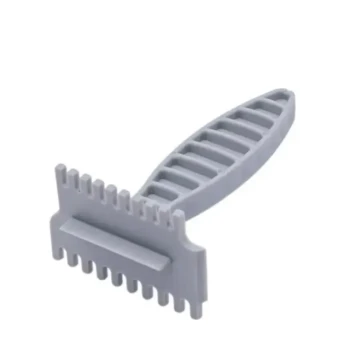
- Lightweight Durable Plastic Queen Excluder Scraper for Beekeeping
- Premium Wood Framed Metal Wire Queen Bee Excluder
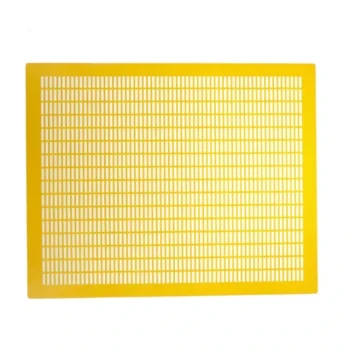
- Professional Plastic Queen Excluder for Modern Beekeeping
- Metal Queen Bee Excluder for Beekeeping
People Also Ask
- What are the characteristics of a plastic queen excluder? Key Benefits for Cost-Effective Beekeeping
- What are the operational and cost advantages of using plastic queen excluders over metal or wire excluders in commercial hive management? Discover how they reduce labor, prevent wing damage, and lower total costs.
- What types of queen excluders are available for beekeepers? Choose the Right Tool for Your Hive
- Why are standardized hive frames and queen excluders essential for maintaining honey purity and quality? Scale Your Purity
- Do plastic queen excluders work? A Cost-Effective Solution for Modern Apiaries