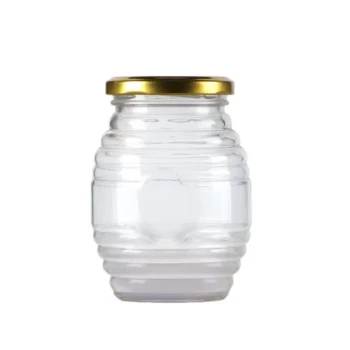
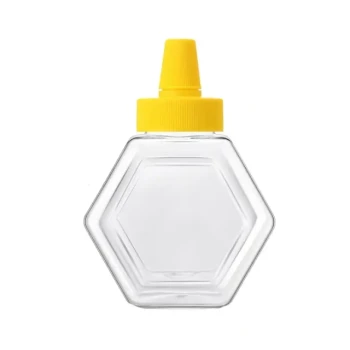
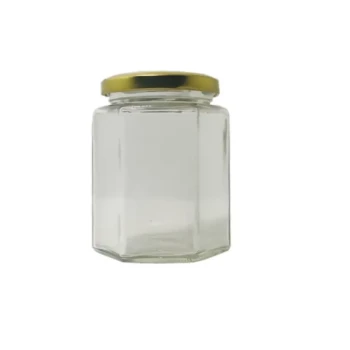
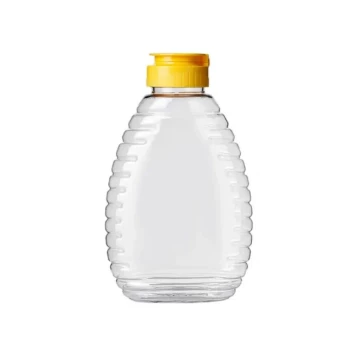
To effectively seal honey jars, you must prioritize a precise mechanical fit between the container and the closure to create an airtight environment. Key methods for securing this seal include heat sealing a liner to the rim, applying shrink bands around the neck, or utilizing wax sealing to coat the closure mechanism.
The specific method you choose is secondary to the fundamental requirement of an airtight closure. A proper seal is the only way to preserve the honey's natural freshness, flavor, and shelf life by preventing contamination and leaks.
Achieving the Perfect Mechanical Fit
Before applying a secondary seal, the foundational connection between the jar and the lid must be sound.
Precision Matching
The most critical factor in packaging is selecting a lid that fits the jar geometry precisely. If the lid diameter or thread type does not exactly match the jar, no amount of secondary sealing will prevent leaks or spoilage.
Material Compatibility
Glass is the superior choice for honey packaging. Because it is non-reactive, it maintains the product's quality better than plastic alternatives. Ensure your lid choice is compatible with the specific glass finish of your container.
Primary Sealing Methods
Once the proper container and lid are selected, you should employ one of the following methods to ensure a tamper-evident and airtight finish.
Heat Sealing
This method involves using heat to bond a sealing material directly to the rim of the jar. This creates a barrier under the lid that effectively blocks air and moisture ingress.
Shrink Bands
Shrink bands are plastic sleeves placed over the lid and the neck of the jar. When heated, they shrink tightly around the closure, securing the lid in place and providing visible tamper evidence.
Wax Sealing
For a more artisanal approach, the entire lidded top of the jar is dipped into melted wax. This forms a complete, hermetic seal over the gap between the lid and the glass, offering excellent air resistance.
Common Pitfalls to Avoid
Even with the correct tools, specific environmental and material factors can compromise your seal.
Temperature Sensitivity
Fluctuations in temperature can negatively impact the sealing process. Extreme changes may cause materials to expand or contract, breaking the seal integrity during storage or transit.
Component Incompatibility
One of the most frequent points of failure is lid incompatibility. Using a generic lid that "almost" fits will inevitably lead to leaks and oxidation of the honey.
Defective Materials
Always inspect gaskets and lids before application. Defective sealing materials, such as cracked liners or warped lids, render the sealing process useless regardless of the method used.
Making the Right Choice for Your Goal
Select your method based on your production scale and brand presentation.
- If your primary focus is retail safety: Prioritize heat sealing or shrink bands to ensure tamper evidence and a standardized barrier against contaminants.
- If your primary focus is premium aesthetics: Utilize wax sealing to create a distinct, high-end look that also provides a robust airtight closure.
- If your primary focus is long-term preservation: Ensure you are using glass containers with a strictly verified airtight mechanical fit to maintain flavor profile.
Focus on the precision of the fit first, and the sealing method second.
Summary Table:
| Sealing Method | Primary Benefit | Best Use Case | Tamper Evidence |
|---|---|---|---|
| Heat Sealing | Superior Airtight Barrier | High-volume retail production | High |
| Shrink Bands | Secures Lid Position | Standard retail packaging | High |
| Wax Sealing | Artisanal Aesthetics | Premium & high-end honey brands | Moderate |
| Mechanical Fit | Prevents Oxidation | Essential for all packaging types | N/A |
Elevate Your Honey Packaging with HONESTBEE
Are you a commercial apiary or distributor looking to scale your production? At HONESTBEE, we provide a comprehensive wholesale ecosystem designed to streamline your operations and enhance your brand value.
We supply more than just tools; we offer professional-grade honey-filling machines, precision-fit jars, and specialized hardware that ensure every jar is sealed for long-term preservation. From essential consumables to advanced beekeeping machinery and honey-themed merchandise, we are your partner in success.
Ready to optimize your honey production line? Contact us today to discover how our tailored equipment solutions can protect your product and grow your business.
Related Products
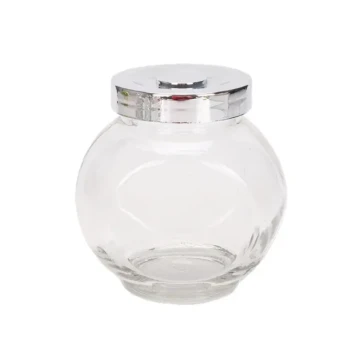
- Classic Drum Shaped Glass Honey Jar with Airtight Lid
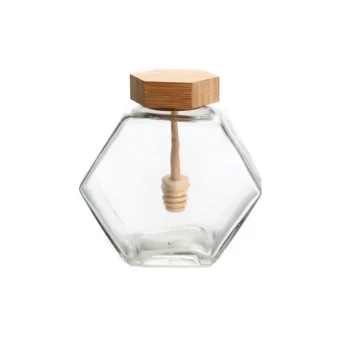
- Hexagonal Glass Honey Jar with Wooden Lid Integrated Dipper Elegant Functional Storage
- Classic Beehive Honey Bottle Jar with Squeeze Dispenser Lid
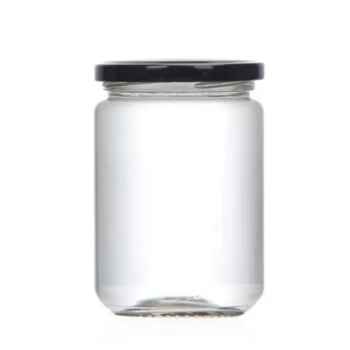
- Classic Round Glass Honey Jar with Lid
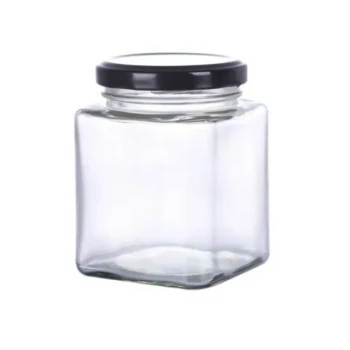
- Modern Square Glass Honey Jar with Twist Off Lid
People Also Ask
- What is the best utensil to store honey? Preserve Purity with the Right Container
- How does the appearance of glass jar packaging affect the sales and perception of honey? Boost Your Premium Brand Value
- Why is a glass jar preferred for packaging honey? Ultimate Protection for Purity & Flavor
- What is the aesthetic appeal of using glass jars for honey? Elevate Your Brand with Premium Packaging
- What are the advantages of glass containers for honey? Elevate Quality and Market Value with Premium Packaging