The key difference is how colony health is managed: medicated beekeeping uses approved chemical or pharmaceutical treatments to control pests and diseases, while natural beekeeping prioritizes inspection, prevention, ecological balance, and non-chemical interventions. That difference changes the supply list: medicated operations need treatment products and application controls, whereas natural operations depend more heavily on inspection equipment, protective gear, monitoring tools, and physical pest-management products.
Hive supplies should match the management philosophy, target market, and compliance requirements of the apiary. Chemical-based programs prioritize treatment availability, correct application, and residue control; natural programs prioritize frequent observation, physical intervention, and tools that support colony health without synthetic inputs.
How the Two Approaches Differ
Medicated beekeeping emphasizes direct treatment
Medicated beekeeping traditionally relies on synthetic chemicals and, where permitted and appropriate, antibiotic drugs to prevent or control pests and diseases.
Some operations use routine or prophylactic treatments, while others apply products only after monitoring identifies a risk. The exact program depends on local regulations, disease pressure, label directions, and the beekeeper’s management system.
Natural beekeeping emphasizes prevention and intervention
Natural beekeeping avoids synthetic pesticides, antibiotics, and artificial diets as part of its operating philosophy.
Instead, the beekeeper maintains colony health through regular inspections, timely non-chemical interventions, and management practices intended to support natural colony behavior and ecological regulation.
The distinction is also about product integrity
Natural management is often selected by beekeepers seeking minimal chemical exposure and high-purity honey and beeswax.
However, avoiding chemicals does not automatically guarantee organic certification. Certification depends on the applicable standard, approved inputs, geographic requirements, records, and broader apiary practices.
How Management Philosophy Changes Supply Selection
Medicated operations need treatment-support supplies
A medicated apiary may require approved miticides, disease-control products, antibiotic treatments where legally permitted, dosing or application equipment, and secure storage.
The product range should also include protective equipment and handling materials that help workers follow label instructions and reduce accidental exposure.
Natural operations need stronger inspection capability
Natural beekeeping depends on detecting problems early because the beekeeper is less reliant on routine chemical intervention.
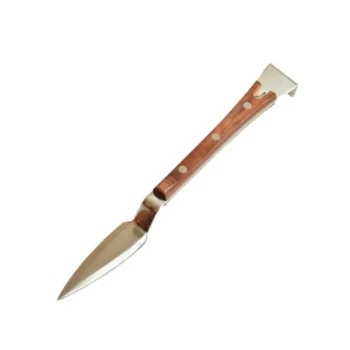
Core supplies commonly include hive tools, smokers, protective clothing, gloves, veils, inspection lighting, record-keeping systems, and replacement hive components that make frequent colony audits practical.
Physical pest-management tools become more important
Natural management tools focus on physical intervention and ecological regulation rather than synthetic pesticides.
Depending on the operating method, this can include hive designs or components that support monitoring, separation, ventilation, or other non-chemical controls. The important purchasing principle is that each tool should support observation and intervention without undermining colony welfare.
Sustainable feeding and hive materials require attention
Natural beekeepers may avoid artificial diets and therefore place greater importance on forage conditions, colony reserves, and management practices that support natural nutrition.
They may also evaluate hive materials, coatings, foundation, and other consumables according to residue risk, sustainability, and compatibility with their chosen standards.
What Distributors and Resellers Should Stock
Build a complete inspection category
For natural and low-treatment customers, inspection equipment is not an accessory; it is part of the health-management system.
A useful product range should cover:
- Hive tools for opening and manipulating frames.
- Smokers and smoker fuel for controlled colony handling.
- Protective suits, jackets, gloves, and veils in multiple sizes.
- Lighting and inspection accessories for clear hive assessment.
- Frames, boxes, and replacement components for timely maintenance.
- Records or digital management tools for tracking inspections and interventions.
Separate treatment products from general equipment
Medicated customers need access to treatment products, but these should be presented with clear information about intended use, legal status, application requirements, and withdrawal or residue considerations.
Resellers should avoid treating all apiaries as if they follow the same protocol. Product organization by conventional, integrated, low-treatment, and natural-use categories helps customers make safer purchasing decisions.
Offer compatible physical-management products
Natural and treatment-minimizing beekeepers may need tools for monitoring and physically managing pests rather than immediately applying chemicals.
A well-designed portfolio can include compatible hive components and monitoring supplies, allowing customers to choose a complete management system rather than sourcing disconnected items from multiple vendors.
Support professional fulfillment
For distributors and wholesalers, the commercial value is not only the individual product. It is the ability to provide a full-spectrum portfolio, consistent product quality, responsive communication, and efficient order fulfillment.
Seasonal demand makes availability especially important. Delayed delivery of protective equipment, replacement parts, or monitoring supplies can cause a beekeeper to miss a critical inspection or intervention window.
Why Inspection Quality Matters More in Natural Systems
Frequent inspections replace routine chemical reliance
When a beekeeper does not use routine chemical protection, inspections provide the information needed to identify developing problems.
The inspection process should be systematic rather than casual. Beekeepers need to assess colony strength, brood condition, food stores, signs of pests or disease, queen status, and the condition of hive components.
Equipment affects decision quality
Poorly fitting protective gear, unreliable hive tools, or inadequate lighting can make inspections slower and less thorough.
Reliable equipment supports calmer handling, reduces avoidable disturbance, and makes it more practical to inspect colonies at the frequency required by the management plan.
Records turn observations into management
Inspection notes help beekeepers identify trends instead of reacting to isolated observations.
For B2B suppliers, record-keeping products and digital tools can therefore complement physical equipment and strengthen the value of a complete apiary-management offering.
Understanding the Trade-offs
Medicated systems can be operationally efficient
Approved treatments can provide a direct response to certain pest and disease risks, particularly where rapid control is needed.
The trade-off is greater dependence on correct product selection, timing, dosage, application, storage, and compliance. Incorrect use can harm bees, create residues, or contribute to reduced treatment effectiveness.
Natural systems require more labor and skill
Natural beekeeping places more responsibility on observation, timing, and beekeeper expertise.
It may require more frequent inspections and more deliberate physical interventions. If monitoring is inconsistent, problems can develop before they are detected.
“Natural” does not mean risk-free
Avoiding synthetic chemicals does not eliminate pests, pathogens, poor nutrition, weather stress, or colony losses.
Natural systems still require disciplined management, suitable equipment, accurate records, and a clear response plan when colony health deteriorates.
One product range cannot serve every apiary identically
A supplier that promotes only chemical treatments may underserve natural and organic-oriented customers.
Conversely, a supplier that stocks only non-chemical tools may fail to meet the lawful needs of conventional operations. A balanced portfolio should support different approaches while clearly identifying product purpose and usage limitations.
Making the Right Choice for Your Goal
The best supply strategy begins with the customer’s management philosophy, operating scale, regulatory environment, and product-market objectives.
- If your primary focus is medicated beekeeping: Prioritize approved treatment products, application equipment, protective gear, storage solutions, compliance information, and dependable replenishment.
- If your primary focus is natural beekeeping: Prioritize inspection tools, protective equipment, hive-maintenance components, monitoring products, and physical or ecological pest-management options.
- If your primary focus is organic or high-purity honey production: Select supplies with careful attention to residue risk, certification requirements, traceability, and the rules governing permitted inputs.
- If your primary focus is distribution or wholesale: Build a one-stop portfolio covering both treatment-based and natural systems, supported by rapid response, professional product guidance, reliable stock, and fast fulfillment.
- If your primary focus is long-term customer retention: Provide complete management solutions rather than isolated products, helping beekeepers obtain the right equipment for their chosen operating method.
The right hive-management supply strategy aligns products with biology, regulation, labor requirements, and the beekeeper’s definition of healthy, sustainable production.
Summary Table:
| Aspect | Medicated Beekeeping | Natural Beekeeping |
|---|---|---|
| Core Philosophy | Direct treatment with approved chemicals/antibiotics | Prevention, inspection, ecological balance, no synthetic inputs |
| Supply Priorities | Treatment products, application equipment, protective gear, storage | Inspection tools, protective gear, monitoring devices, physical pest management |
| Inspection Dependence | Lower; relies on chemical control | Higher; early detection through regular inspection is critical |
| Product Integrity | May prioritize efficacy and compliance | May prioritize minimal residue and sustainability |
| Target Audience | Conventional or high-density operations | Organic-oriented or chemical-free beekeepers |
Ready to stock the right supplies for every beekeeper? At HONESTBEE, we provide a comprehensive wholesale portfolio covering both medicated and natural approaches. From premium inspection tools and protective gear to treatment products and hive equipment, we ensure fast delivery and dedicated support for distributors and resellers. Contact us today to enhance your product range and meet all your customers' needs efficiently!
Related Products
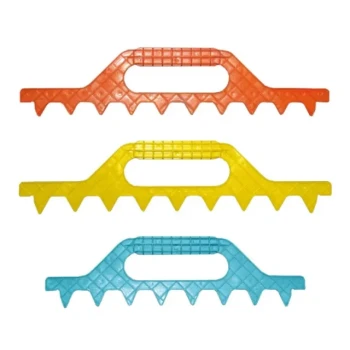
- Ergonomic Plastic Frame Spacer Tool for Rapid Hive Management Beekeeping
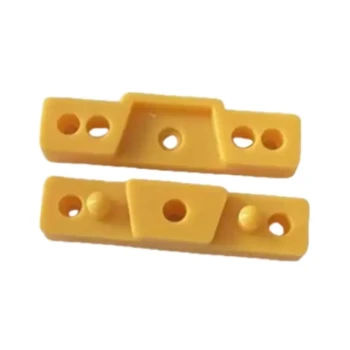
- Durable Plastic Interlocking Hive Connector for Beekeeping
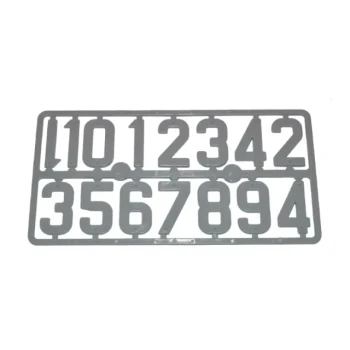
- Professional Large-Format Hive Number Set for Beekeeping
- Steel Round Disc Entrance Reducer for Flexzion Bee Hive Nuc Box Gate
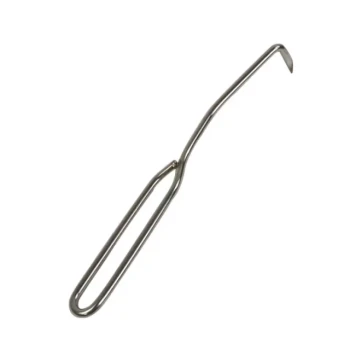
- Professional Stainless Steel Pry-Bar Hive Tool
People Also Ask
- What specific challenges do beekeeping hive tools address during hive maintenance? Essential Solutions for Apiaries
- How do specialized beehive management tools assist in the routine maintenance of bee colonies? Boost Hive Efficiency
- How do specialized beehive management tools support high-purity honey production? Master Monofloral Isolation
- What additional equipment might be useful for beekeeping? Boost Hive Health & Efficiency
- How do spring inspections for honeybee starvation symptoms guide apiary management? Optimize Colony Survival & Growth