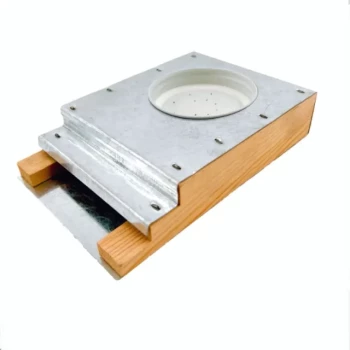
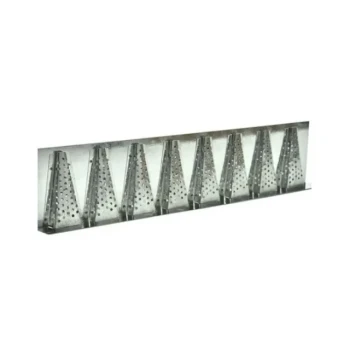
Dual infrared photoelectric sensors primarily function as high-precision traffic counters for beehives. By positioning two distinct beams at the hive entrance, the system detects the specific sequence in which the beams are interrupted. This allows the hardware to distinguish between a bee entering and a bee exiting, providing granular data on colony activity rather than just raw movement volume.
By analyzing the interruption sequence of two infrared beams, these sensors transform chaotic hive movement into structured data. This directional tracking is essential for calculating loss rates, identifying swarming events, and quantifying the impact of environmental stressors on colony health.
The Mechanics of Directional Sensing
Sequence Detection
The core innovation of a dual-sensor setup is the ability to determine vector, not just presence. When a bee traverses the entrance, it breaks the two infrared beams in a specific order.
Distinguishing Entry vs. Exit
If the inner sensor triggers before the outer sensor, the system registers an exit. Conversely, the reverse sequence registers an entry. This effectively separates returning foragers from departing workers.
Channel-Based Precision
To ensure accuracy, these sensors are typically embedded within specific channels or "entrance reducers." This forces bees to pass through the detection zone individually, allowing the photoelectric reflective sensors to count single bees rather than confusing a cluster for one object.
Monitoring Colony Health and Behavior
Calculating Loss Rates
By comparing the total number of exits against the total number of returns, beekeepers can calculate real-time loss rates. A significant disparity suggests that foragers are dying in the field due to predation, exhaustion, or disorientation.
Detecting Abnormal Events
Control algorithms monitor the data for sudden spikes in unidirectional traffic. A massive, rapid increase in exiting bees without immediate return is a primary indicator of swarming or absconding behavior.
Quantifying Foraging Efficiency
The sensors provide a quantitative measure of colony food demand and collection efficiency. By tracking the frequency of entry and exit, the system creates a profile of the colony’s daily work cycle and pollination efficiency.
Measuring Environmental Impact
Assessing Stressors
Variations in traffic patterns often indicate external threats. A sudden drop in foraging activity can signal the presence of environmental stressors, such as pesticide exposure or parasite infections.
Analyzing Weather Response
Long-term data collection helps build prediction models. These models correlate flight activity with weather conditions, revealing how specific colonies adapt (or fail to adapt) to changing climates.
Understanding the Constraints
The Bottleneck Effect
To function correctly, these sensors require bees to pass through narrow channels. While this mimics natural tree hollows, it can artificially restrict traffic flow during peak nectar flows if not properly sized for the colony population.
Environmental Interference
While infrared is robust, physical obstructions in the narrow channels—such as propolis buildup or debris—can occlude the sensors. Regular maintenance is required to ensure the reflective surfaces remain clean for accurate counting.
Making the Right Choice for Your Goal
The value of this data depends entirely on what you are trying to optimize within your apiary.
- If your primary focus is Colony Survival: Monitor the specific ratio of exits to entries to detect high loss rates or early signs of swarming before the hive is depleted.
- If your primary focus is Research or Pollination: Use the total traffic frequency data to quantify foraging effort and measure the sub-lethal effects of pesticides or parasites.
Effective use of these sensors shifts beekeeping from reactive observation to data-driven management.
Summary Table:
| Function | Description | Key Metric Provided |
|---|---|---|
| Directional Counting | Detects the sequence of interrupted beams (Inner vs. Outer). | Entry vs. Exit Volume |
| Health Monitoring | Compares total exits against returns to identify disparities. | Colony Loss Rates |
| Event Detection | Identifies sudden, massive unidirectional traffic spikes. | Swarming & Absconding |
| Environmental Analysis | Correlates flight activity with external stressors or weather. | Foraging Efficiency |
Elevate Your Beekeeping Operations with HONESTBEE
As a commercial apiary or distributor, data-driven precision is your competitive edge. HONESTBEE specializes in providing the global beekeeping industry with the most advanced tools, from high-precision monitoring hardware to large-scale hive-making and honey-filling machinery.
Whether you are scaling a commercial operation or supplying the next generation of beekeepers with professional-grade consumables and specialized equipment, we are here to support your growth. Our comprehensive wholesale portfolio ensures you have everything needed for success, from the hive entrance to the final honey jar.
Ready to optimize your apiary efficiency?
Contact HONESTBEE Today to explore our wholesale solutions and technical equipment.
References
- Zhang jiangyi, Yi Yu. Design of Intelligent Hive and Intelligent Bee Farm Based on Internet of Things Technology. DOI: 10.1109/ccdc.2019.8832493
This article is also based on technical information from HonestBee Knowledge Base .
Related Products
- In-Hive Dual Compartment Frame Bee Feeder for Targeted Colony Nutrition
- Multi-Functional Sliding Hive Entrance for Beekeeping
- Beehive Entrance Reducer Guardian Metal Hive Entrance for Bees
- Multi-Functional Rotary Hive Entrance Disc for Beekeeping
- Steel Round Disc Entrance Reducer for Flexzion Bee Hive Nuc Box Gate
People Also Ask
- What are the advantages of using a frame feeder for bee colonies? Boost Growth and Prevent Robbing Efficiently
- Why should sugar syrup or dry sugar not be left out in the open when feeding bees? Avoid a Dangerous Feeding Frenzy
- What precautions should be taken when feeding bees inside the hive? Safeguard Your Colony from Robbing and Leaks
- How do in-hive feeders support honey bee colonies during autumn? Ensure Overwintering Success for Your Apiary
- What are the advantages of in-hive feeders vs external methods? Boost Colony Health with Precise Spring Feeding