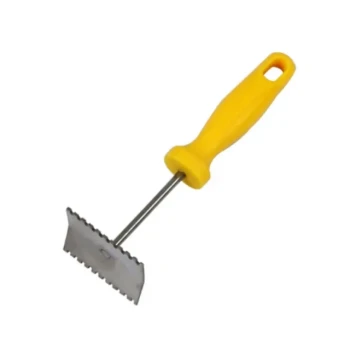
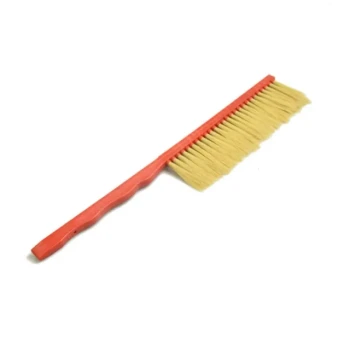
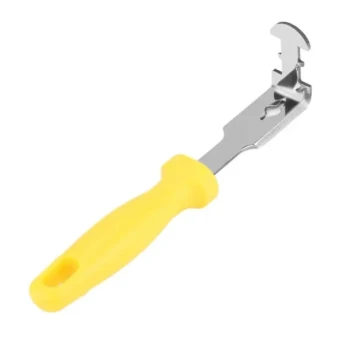
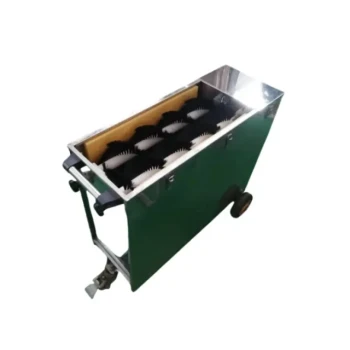
Industrial sorting and cleaning equipment functions as the critical purification stage in bee pollen production, utilizing airflow separation and vibration screening to isolate pollen pellets from contaminants. These systems are specifically engineered to remove foreign matter such as sand, wood chips, and plant debris without damaging the delicate pollen structure.
Effective industrial cleaning is not merely for aesthetics; it is the fundamental prerequisite for regulatory compliance. By eliminating impurities, this process ensures the product meets ISO 24382:2023 standards, specifically maintaining a protein content above 22% and keeping microbial indicators within safe limits.
The Mechanics of Decontamination
Vibration Screening Technology
This mechanism relies on physical agitation to stratify the raw harvest based on size and weight. It effectively sifts out heavier particles or debris that do not match the standard dimensions of a pollen pellet.
Removing Heavy Contaminants
Vibration is particularly effective at removing dense foreign matter. This includes sand and small stones that are frequently picked up during the collection process and can compromise the texture and safety of the final product.
Airflow Separation
Pneumatic systems use controlled air currents to separate materials based on density. Because pollen pellets have a specific aerodynamic drag, airflow can be calibrated to lift away lighter impurities while letting the pollen settle.
Eliminating Light Debris
Airflow separation targets low-density contaminants that vibration might miss. This includes wood chips, plant debris, and dust, ensuring the final output consists only of clean, dense pollen pellets.
Achieving Standardization and Safety
Adhering to ISO 24382:2023
Industrial cleaning is the gateway to market certification. Without removing physical contaminants, it is impossible for a batch to meet the strict purity requirements dictated by international standards like ISO 24382:2023.
Protecting Nutritional Integrity
High-quality pollen is defined by its nutritional density. Effective cleaning concentrates the sample, ensuring the protein content remains verifiable at over 22% by removing non-nutritive fillers and foreign organic matter.
Ensuring Microbial Control
Physical contaminants often act as vectors for bacteria and mold. By rigorously removing organic debris and soil, the equipment significantly lowers the risk of microbial proliferation, ensuring the product remains safe for human consumption.
Understanding the Trade-offs
Balancing Purity vs. Yield
A common pitfall in industrial cleaning is over-processing. Aggressive airflow or vibration settings can lead to the loss of viable pollen pellets or fracture them into dust, reducing the overall yield.
Managing Maintenance Constraints
Sorting equipment dealing with organic material requires rigorous upkeep. Screens and air channels can become clogged with sticky pollen residue, which necessitates frequent cleaning to prevent cross-contamination or mechanical failure.
Making the Right Choice for Your Production
To select the appropriate processing strategy, you must define your end-market requirements.
- If your primary focus is Regulatory Compliance: Prioritize equipment capable of meeting ISO 24382:2023 standards to ensure your product is viable for international export.
- If your primary focus is Nutritional Quality: Ensure your calibration minimizes pellet damage to maintain a protein content strictly above 22%.
Invest in precision cleaning technology to transform raw harvest into a premium, compliant, and safe nutritional product.
Summary Table:
| Technology | Primary Function | Contaminants Removed | Benefit to Quality |
|---|---|---|---|
| Vibration Screening | Physical stratification by size/weight | Sand, stones, heavy debris | Ensures safety and texture consistency |
| Airflow Separation | Density-based pneumatic lifting | Wood chips, dust, plant debris | Maximizes purity without pellet damage |
| ISO Standardization | Regulatory purification | Organic impurities | Guarantees >22% protein content |
| Microbial Control | Vector elimination | Soil and organic waste | Reduces risk of bacteria and mold growth |
Elevate Your Bee Pollen Production with HONESTBEE
To compete in the global market, meeting ISO 24382:2023 standards is non-negotiable. HONESTBEE empowers commercial apiaries and distributors with the specialized machinery needed to transform raw harvests into premium exports.
Our comprehensive wholesale range includes:
- Precision Sorting & Cleaning Machines to ensure protein integrity and purity.
- Industrial Honey-Filling & Hive-Making Machinery for end-to-end production.
- Full-Spectrum Beekeeping Tools & Consumables for any scale of operation.
Whether you are scaling up a commercial apiary or looking for a reliable equipment distributor, HONESTBEE provides the hardware and industry expertise to maximize your yield and quality.
Ready to optimize your facility? Contact us today to discuss your equipment needs!
References
- Artem Antoniv, Dina Lisohurska. COMPARISON OF INTERNATIONAL REQUIREMENTS FOR QUALITY AND SAFETY OF BEEKEEPING PRODUCTS. DOI: 10.64378/iriush.journals.2025.1.1
This article is also based on technical information from HonestBee Knowledge Base .
Related Products
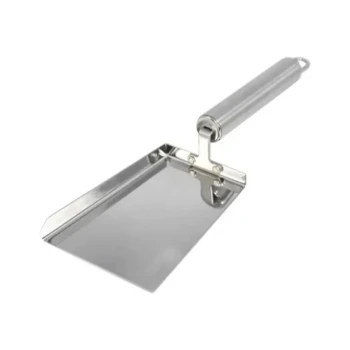
- Heavy-Duty Ergonomic Stainless Steel Pollen Shovel
- Stainless Steel Pollen Shovel with Wooden Handle
- Heavy-Duty Ergonomic Grip Galvanized Pollen Shovel
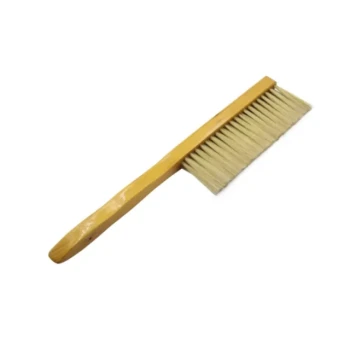
- Wooden Bee Brush with Triple Row Artificial Fiber for Beekeeping
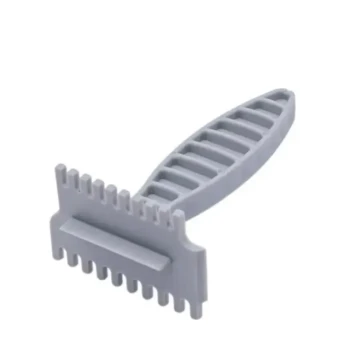
- Plastic Bee Pollen Trap Strips Comb Catcher Collector
People Also Ask
- How is pollen cleaned after it has been dried? Master Efficient Separation for Pure Bee Pollen
- What methods are used to clean harvested bee pollen? Scale Your Beekeeping Operations with the Right Technique
- How can harvested bee pollen be cleaned to remove impurities? Efficient Methods for Commercial and Hobbyist Beekeepers
- How do bee pollen collection tools affect the quality of bee pollen used in functional dairy ice cream production?
- What is the technical significance of using specialized cutting tools for propolis? Master Precision Pollen Harvesting