Effective pollen supplementation requires precise alignment with your local environment and the colony's natural cycles. The most critical consideration is balancing the intake of supplements with the availability of natural resources to prevent the colony from outgrowing its capacity to sustain itself.
Core Takeaway Supplementation is a temporary bridge, not a permanent food source. The ultimate goal is to provide just enough nutritional support to maintain colony health until bees can independently forage, avoiding the dangers of artificial over-population.
Strategic Timing and Environmental Context
Monitoring Local Climate
Before introducing supplements, you must evaluate the local climate and natural pollen flow. Supplementation is most effective when natural resources are scarce but environmental conditions are improving.
Ignoring the weather can be disastrous. Feeding protein stimulates brood rearing, which requires warmth and water; if the weather remains too cold for foraging, this increased activity can stress the colony.
The Risks of Over-Supplementation
Providing excessive feed can trigger unsustainable growth. If the colony population explodes before the environment can support it, the bees may starve or become stressed due to a lack of natural nectar and pollen.
Furthermore, bees can become reliant on supplements. The objective is to support the bees only until they can forage independently, not to replace their natural drive to gather resources.
Managing Dosage and Consumption
Gauging Colony Demand
To prevent waste and monitor health, observe how quickly the bees consume the supplement. A strong, active colony is generally expected to consume a 1 lb pollen patty every seven to ten days.
Use this consumption rate as a diagnostic tool. If consumption slows significantly, the colony may have shrunk, or natural pollen may now be available, signaling a need to adjust your feeding schedule.
Incorporating Mineral Support
Pollen patties can be enhanced with mineral supplements to address micronutrient deficiencies. A common ratio for mixing minerals into patties or sugar syrup is approximately 1/100.
Alternatively, you can offer a dry mineral mixture in a shallow dish or sprinkled on frames. This mix often includes calcium carbonate (agricultural lime) and trace minerals from sources like crushed seaweed.
Understanding the Trade-offs
Artificial Growth vs. Resource Availability
The primary trade-off in pollen supplementation is timing the population peak.
Supplements encourage the queen to lay eggs. If you stimulate this growth too early—before natural nectar flows begin—you create a "famine" scenario where a massive population of bees has nothing to eat but your supplies.
This requires constant vigilance. You must be prepared to continue feeding aggressively until nature catches up, or risk the collapse of a large, hungry colony.
Making the Right Choice for Your Goal
To apply these principles effectively, align your actions with your specific management objectives:
- If your primary focus is Spring Buildup: Start feeding early to stimulate brood rearing, but ensure you have ample honey stores or syrup to support the rapidly growing population.
- If your primary focus is Dearth Management: Feed smaller amounts strictly to maintain the current population, stopping immediately once natural pollen becomes available to prevent dependency.
Successful supplementation is about careful observation, not volume.
Summary Table:
| Key Consideration | Critical Action / Metric | Primary Risk to Avoid |
|---|---|---|
| Strategic Timing | Align with local climate & natural cycles | Stress from premature brood rearing |
| Consumption Rate | Target: 1 lb patty every 7–10 days | Resource waste or colony decline |
| Resource Balance | Monitor natural pollen & nectar availability | Artificial reliance & starvation |
| Mineral Support | Use a 1/100 mixing ratio for supplements | Micronutrient deficiencies |
| Growth Control | Time population peaks with natural flows | Unsustainable colony explosion |
Elevate Your Apiary’s Success with HONESTBEE
At HONESTBEE, we understand that professional beekeeping requires precision tools and high-quality supplies. Whether you are managing a commercial apiary or operating as a distributor, we provide the comprehensive wholesale solutions you need to thrive.
Why partner with HONESTBEE?
- Full Spectrum Equipment: From heavy-duty hive-making and honey-filling machines to specialized beekeeping hardware.
- Essential Consumables: A wide array of industry-standard supplies to maintain colony health and productivity.
- Cultural Merchandise: Unique honey-themed merchandise to diversify your retail offerings.
Ready to scale your operations with premium beekeeping technology and supplies? Contact us today to discuss your wholesale needs and discover how our expertise can support your business growth.
Related Products
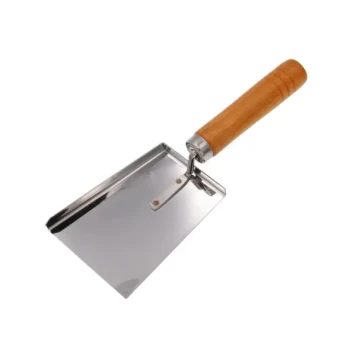
- Stainless Steel Pollen Shovel with Wooden Handle
- Removable Plastic Pollen Trap With Ventilated Tray for Bees Pollen Collector
- Plastic Bee Pollen Trap Strips Comb Catcher Collector
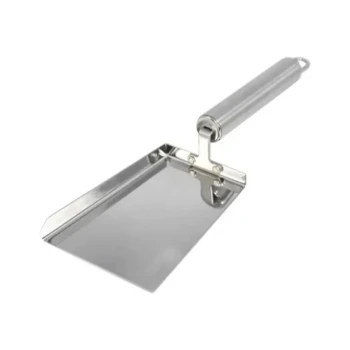
- Heavy-Duty Ergonomic Stainless Steel Pollen Shovel
- Heavy-Duty Ergonomic Grip Galvanized Pollen Shovel
People Also Ask
- How do bee pollen collection tools affect the quality of bee pollen used in functional dairy ice cream production?
- Why should commercial apiaries focus on the collection of diversified bee products? Maximize Your Hive’s Profit Potential
- How does a specialized pollen collector facilitate the harvesting of diverse bee products? Automate High-Value Yields
- What is the impact of pollen collectors and associated equipment on the cost structure of pollen production? Maximize ROI
- What is the technical significance of using specialized cutting tools for propolis? Master Precision Pollen Harvesting