Apis mellifera syriaca combines strong natural defenses with adaptation to hot climates. Its key traits include pronounced hygienic behavior, comparatively low Varroa destructor infestation rates, reported resistance to pests such as the pollen beetle Cryptophagus hexagonalis, and high heat tolerance. Queen breeding tools, especially controlled queen rearing and artificial insemination equipment, help breeders preserve these traits while limiting genetic dilution from imported commercial lines.
The central breeding priority is to preserve the locally adapted gene pool, not simply to maximize short-term colony productivity. Combining carefully managed natural mating with controlled insemination and trait-based selection can protect A. m. syriaca’s pest resistance, hygiene, and climate adaptation.
Why These Traits Matter in A. m. syriaca
Natural Hygienic Behavior
Hygienic behavior is the ability of worker bees to detect, uncap, and remove diseased, damaged, or otherwise compromised brood. In practical terms, this behavior can reduce the time that pathogens and parasites remain inside the colony.
For beekeepers, hygienic colonies may require fewer intensive interventions when management, nutrition, and local conditions are favorable. However, hygienic behavior should be evaluated as a colony-level trait rather than assumed from subspecies identity alone.
Low Varroa Infestation Rates
A. m. syriaca is associated with relatively low infestation rates of Varroa destructor. This makes natural mite resistance an important selection objective for breeding programs operating in regions where chemical treatments are costly, difficult to apply, or undesirable.
Low infestation rates do not mean that colonies are automatically mite-free. Monitoring remains essential because parasite pressure, apiary density, seasonal conditions, and hybridization can all change colony performance.
Resistance to Reported Pests
The subspecies is also reported to show resistance to pests such as the pollen beetle Cryptophagus hexagonalis. This characteristic may be valuable in local production systems where the pest is established or where imported genetics have performed poorly under regional pest pressure.
Because pest resistance can depend on environment and management, breeders should validate the trait through repeated local observation rather than treating it as a guaranteed outcome for every queen.
High Heat Tolerance
Heat tolerance is particularly relevant to apiaries operating in hot or dry climates. Colonies that maintain brood rearing, adult activity, and internal nest regulation under high temperatures can reduce the need for emergency cooling measures and intensive seasonal support.
Heat tolerance is not a single visible characteristic. It reflects the interaction of genetics, colony behavior, available forage, water access, nest design, and beekeeper practices.
The Genetic Basis of the Traits
Candidate Genes Linked to Immune and Hygienic Functions
The primary reference identifies Cactus, Relish, NorpA2, and Zasp as candidate genes associated with immune response and hygiene-related traits in A. m. syriaca. These genes provide useful targets for research and selection programs seeking to understand why some colonies express stronger natural defenses.
They should be described as candidate markers or associated genes, not as independently proven causes of pest resistance or heat tolerance. Colony performance is usually polygenic and strongly influenced by environmental conditions.
Genetics and Environment Work Together
A locally adapted genotype may lose much of its practical advantage when placed under unfamiliar conditions. Conversely, good management can sometimes mask genetic weaknesses for a period of time.
For breeding decisions, this means that genetic testing or pedigree records should be combined with field measurements such as mite counts, hygienic behavior assays, survival, brood continuity, and performance during heat stress.
Why Imported Lines Can Create Problems
Commercial Carniolan or Italian lines may offer valuable traits, including productivity, gentleness, or predictable management characteristics. However, crossing them into a locally adapted A. m. syriaca population can dilute regional adaptations.
Uncontrolled hybridization may also produce inconsistent colonies. A cross can combine favorable traits, but it can also disrupt the behavioral and physiological combinations that support local pest resistance and heat tolerance, a risk often described as hybrid breakdown.
How Queen Breeding Tools Preserve Local Adaptation
Specialized Queen-Rearing Equipment
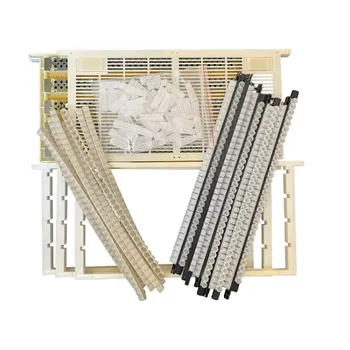
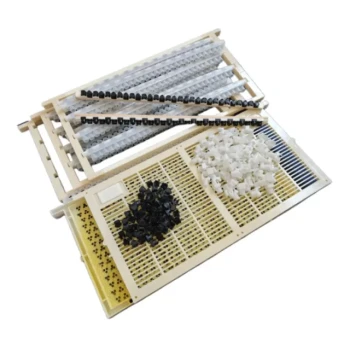
Queen-rearing systems allow breeders to control the source of larvae, maintain selected breeder colonies, and produce replacement queens from lines that demonstrate desirable local traits.
For commercial apiaries and distributors, a reliable queen-rearing setup supports repeatable production, clearer inventory planning, and more consistent fulfillment for customers seeking locally adapted stock.
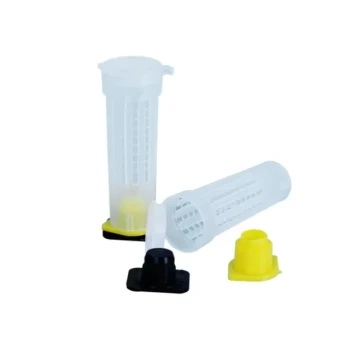
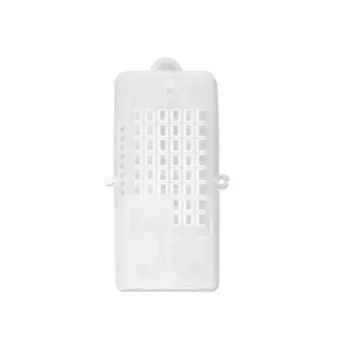
Useful equipment may include grafting tools, cell cups, queen cages, mating nucs, incubators, and systems for tracking breeder and daughter-queen lineage. The equipment itself does not preserve genetics; it enables disciplined selection and reproduction.
Artificial Insemination Instruments
Artificial insemination gives breeders precise control over the drones contributing sperm to a queen. This is particularly valuable when maintaining a defined subspecies, evaluating specific family lines, or preventing unwanted mating with non-local commercial bees.
Controlled insemination can support:
- Preservation of selected A. m. syriaca pedigrees
- Controlled comparison of breeder lines
- Reproduction of colonies with strong hygienic behavior
- Selection for naturally low Varroa infestation
- Research into candidate genes and associated traits
- Maintenance of heat-adapted lines in managed apiaries
Technical precision matters. Insemination equipment must be paired with trained operators, hygienic handling, accurate records, and appropriate storage and preparation procedures.
Managed Natural Mating
Natural mating flights remain useful when local drone populations are sufficiently representative of the target subspecies. Establishing drone-producing colonies from selected A. m. syriaca lines can improve the genetic environment around mating stations.
Natural mating is generally simpler to scale than instrumental insemination, but it provides less certainty about paternity. A practical breeding program may therefore use both approaches: natural mating for broader population maintenance and artificial insemination for high-value selection and controlled trials.
Records and Traceability
Pedigree records are as important as physical breeding tools. Each breeder queen, drone source, daughter queen, mating method, and field performance result should be traceable.
For B2B buyers, traceability supports credible product differentiation. Distributors and wholesalers can distinguish locally adapted queens from generic commercial stock when suppliers provide clear origin information, breeding objectives, and performance documentation.
Understanding the Trade-offs
Purity Versus Genetic Diversity
Protecting subspecies identity does not require eliminating all genetic diversity. Excessively narrow breeding can increase inbreeding and reduce resilience to future diseases, climate changes, or forage shifts.
Breeders should preserve the defining local characteristics of A. m. syriaca while maintaining enough unrelated family lines to support long-term population health.
Control Versus Scalability
Artificial insemination offers greater mating control but requires specialized instruments, technical skill, and additional labor. Natural mating is easier to expand but is more exposed to surrounding drone populations.
The appropriate balance depends on the breeding objective, available facilities, customer demand, and the degree of genetic control required.
Trait Selection Versus Overall Colony Performance
Selecting only for one trait can create unintended compromises. For example, a colony selected for low mite infestation may not be commercially suitable if it has poor brood continuity, undesirable temperament, weak overwintering, or inadequate productivity in the target environment.
Selection indexes should therefore combine resistance, heat performance, colony survival, manageability, and production characteristics.
Association Versus Proven Causation
Candidate genes such as Cactus, Relish, NorpA2, and Zasp can guide research, but their presence should not be marketed as a guarantee of resistance. Buyers and breeders should distinguish between genetic association, laboratory evidence, and demonstrated field performance.
Making the Right Choice for Your Goal
The most effective sourcing strategy aligns queen breeding tools with the traits customers actually need.
- If your primary focus is pest resistance: Prioritize breeder colonies with documented hygienic behavior and repeated evidence of low Varroa infestation, supported by controlled mating and field monitoring.
- If your primary focus is heat tolerance: Select queens from locally proven lines that maintain brood and colony function under regional heat conditions, while pairing them with appropriate water, forage, and apiary management.
- If your primary focus is genetic preservation: Use subspecies-specific pedigrees, selected drone populations, mating controls, and artificial insemination instruments to limit uncontrolled introgression.
- If your primary focus is commercial supply: Work with suppliers able to provide a full breeding-tool portfolio, responsive technical support, clear traceability, and fast, reliable order fulfillment.
- If your primary focus is long-term resilience: Maintain multiple family lines and evaluate resistance, heat adaptation, survival, temperament, and productivity together rather than selecting for one characteristic in isolation.
Protecting Apis mellifera syriaca means combining local knowledge, disciplined selection, and precise queen breeding with field evidence.
Summary Table:
| Trait | Description | Breeding Tools |
|---|---|---|
| Hygienic Behavior | Ability to detect and remove diseased brood | Queen rearing, Selection |
| Varroa Resistance | Lower infestation rates | Artificial insemination, Controlled mating |
| Pest Resistance | Resistance to Cryptophagus hexagonalis | Genetic selection, Field monitoring |
| Heat Tolerance | Maintains colony function in high temperatures | Mating stations, Heat stress testing |
Empower your apiary with HONESTBEE's premium queen breeding tools and comprehensive beekeeping supplies. As a leading wholesale provider for commercial apiaries and distributors, we offer a full spectrum of equipment, from queen rearing kits to artificial insemination instruments, ensuring you can preserve the invaluable traits of Apis mellifera syriaca. With our one-stop sourcing, rapid response, and expert support, we help you achieve genetic purity, operational efficiency, and customer satisfaction. Contact us today to elevate your breeding program and secure the future of your bees!
Related Products
- Plastic Chinese Queen Grafting Tool for Bee Queen Rearing
- Stainless Steel Beekeeping Queen Grafting Tool for Honey Bee Rearing
- Stainless Steel Queen Grafting Tool for Beekeeping and Bee Queen Grafting
- Retractable Chinese Queen Rearing Grafting Tools Equipment
- Black 2 Pack Beekeeper Queen Grafting Tool for Bee Queen Larva Transferring Needle
People Also Ask
- Why is it necessary for migratory beekeeping enterprises to utilize professional queen bee rearing tools? Boost Resilience
- What specialized tools and frame configurations are needed for larval grafting during queen rearing, and how are queen cells properly spaced? Master the essentials for efficient queen production
- What are the benefits of using a queen grafting tool for queen rearing? Master Precision for Superior Bee Genetics
- What is grafting in queen rearing? Take Control of Your Apiary's Genetics
- What are the steps involved in using a queen grafting tool? A Guide to Successful Queen Rearing