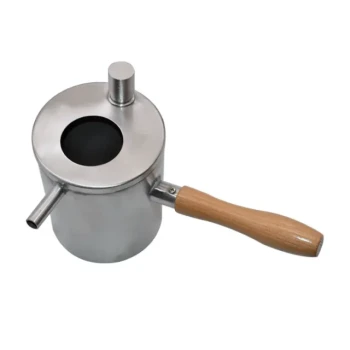
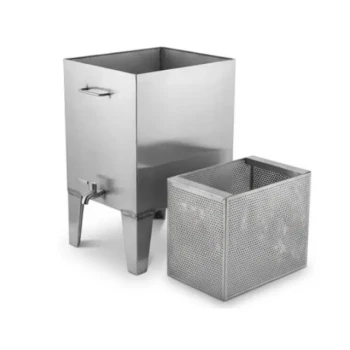
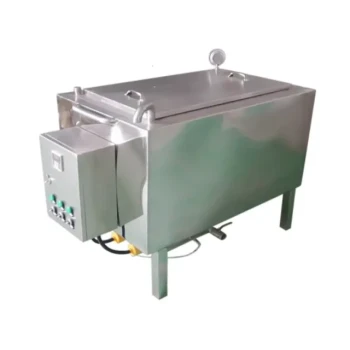
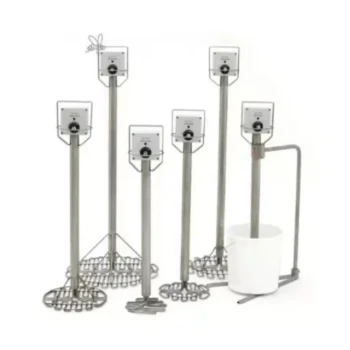
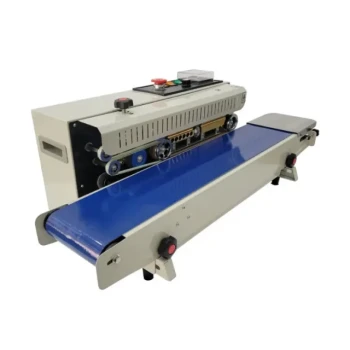
Wax melters are fundamentally categorized by the specific method used to transfer heat to the wax. The three primary classifications you must understand are direct heating melters, water jacket heating melters, and convection melters.
The distinction between wax melters lies in the heating mechanism, which directly impacts safety and efficiency. While direct heating offers simplicity, water jacket and convection methods provide the even heat distribution necessary to prevent scorching during sensitive production runs.
Understanding the Heating Classifications
To select the appropriate equipment for your needs, you must understand how each classification generates and distributes thermal energy.
Direct Heating Melters
This classification relies on a heat source applied directly to the vessel containing the wax.
Because there is no buffer between the element and the container, this method often provides the fastest initial heat transfer. However, it requires careful monitoring to ensure the wax does not overheat at the contact points.
Water Jacket Heating Melters
These devices utilize a double-wall design, filling the space between the walls with water to act as a thermal buffer.
The heating element warms the water, which then gently transfers heat to the inner wax chamber. This method is the industry standard for preventing "hot spots" and ensuring a consistent, even melt.
Convection Melters
Convection melters utilize heated air circulation to raise the temperature of the wax.
By moving warm air around the material, these units avoid direct contact with high-intensity heat sources. This classification is often favored when uniform temperature throughout the entire chamber is the priority.
Industrial Scale Considerations
While the heating method is the primary technical classification, the intended application also defines the equipment's design.
Handling High Volumes
In sectors like packaging and candle-making, industrial wax melters are engineered to process significant quantities of material.
These units are designed for continuous operation rather than batch processing. They focus on throughput efficiency to meet commercial demands.
The Role of Precision
For large-scale operations, precise temperature regulation is not a luxury; it is a necessity.
Industrial units are equipped with advanced controls to maintain the specific viscosity required for production lines. This streamlines the melting process and ensures consistent product quality.
Critical Trade-offs to Consider
Every heating method comes with inherent advantages and limitations that will affect your workflow.
Speed vs. Material Integrity
Direct heating is generally faster and the equipment is often less complex.
However, the risk of scorching or degrading the wax is significantly higher. If clarity and chemical integrity are paramount, direct heating requires vigilant operator attention.
Consistency vs. Complexity
Water jacket and convection systems offer superior consistency and protection for the raw material.
The trade-off is often a slightly longer heat-up time and increased equipment maintenance. For example, water jackets require monitoring water levels to function correctly.
Making the Right Choice for Your Goal
Selecting the correct melter classification depends on balancing your volume requirements with your quality control standards.
- If your primary focus is rapid heating for robust materials: Consider direct heating melters, provided you can monitor the temperature closely to prevent burning.
- If your primary focus is material quality and consistency: Opt for water jacket or convection melters to ensure even heat distribution and protect the wax properties.
- If your primary focus is high-volume commercial production: Look for industrial-grade units that combine these heating methods with precise digital temperature regulation.
Aligning the heating mechanism with your production scale is the single most effective way to optimize your workflow.
Summary Table:
| Melter Classification | Heating Mechanism | Primary Advantage | Best Use Case |
|---|---|---|---|
| Direct Heating | Heat source applied directly to vessel | Fast initial heat transfer | Rapid heating for robust materials |
| Water Jacket | Double-wall design with water buffer | Even heat; no hot spots | Sensitive materials & material integrity |
| Convection | Heated air circulation | Uniform chamber temperature | High-precision consistency |
| Industrial Scale | High-capacity continuous systems | High throughput & precision | Commercial candle-making & packaging |
Scale Your Apiary Operations with HONESTBEE
At HONESTBEE, we specialize in empowering commercial apiaries and beekeeping distributors with high-performance wax processing solutions. Whether you need industrial wax melters for large-scale production or specialized honey-filling machinery, our comprehensive wholesale portfolio has you covered.
Why partner with HONESTBEE?
- Complete Equipment Range: From hive-making machines to specialized wax and honey processing hardware.
- Industry Expertise: We supply essential consumables and equipment designed for the rigors of commercial beekeeping.
- Tailored Solutions: Our tools are engineered to enhance your efficiency and product quality.
Ready to upgrade your production capacity? Contact us today to explore our wholesale offerings and find the perfect equipment for your business!
Related Products
- Professional Stainless Steel Wax Melter for Beekeeping and Crafts
- Steam Beeswax Melter Wax Warmer for Wax Processing
- Beeswax Melter for Candle Making Honey Bee Wax Melter
- Electric Commercial Beeswax Melter for Factory Use
- Solar Beeswax Melter Easy Solar Wax Melter for Beeswax
People Also Ask
- What are the benefits of using a professional wax melter? Achieve Consistent, Scalable, and Safe Production
- What are the two main types of wax melters available? A Guide to Direct vs. Indirect Heat
- What are the types of wax melters available? Choose the Right Heating Method for Your Project
- What is the fundamental operating principle of a wax melter? Master the Thermal Phase Change for Pure Beeswax
- What do you use a wax melter for? From Home Fragrance to Professional Beekeeping