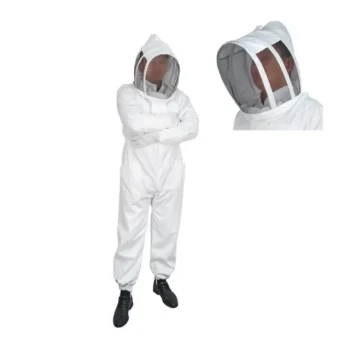
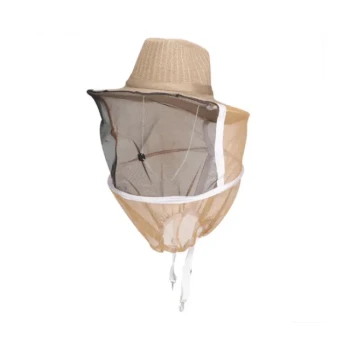
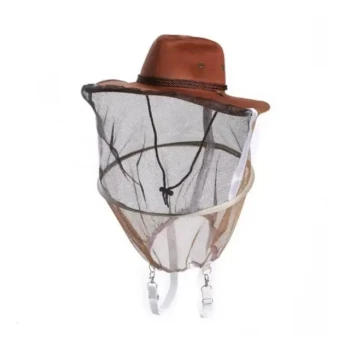
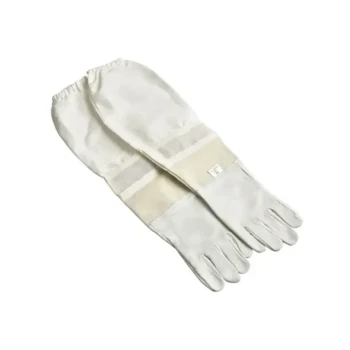
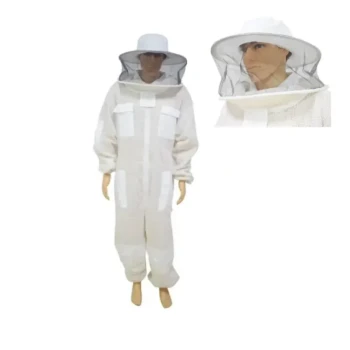
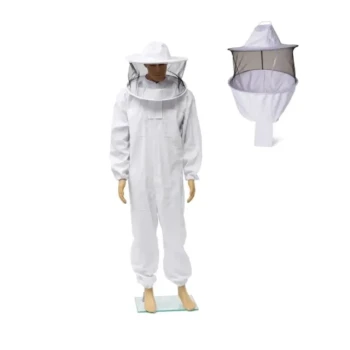
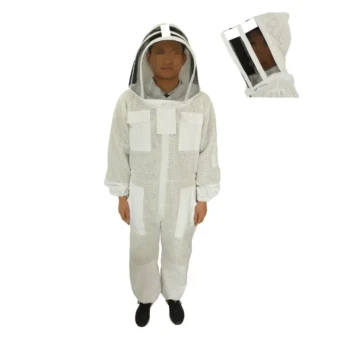
The primary options for protective beekeeping clothing are full-body suits and jackets with attached veils.
Full suits provide comprehensive protection from head to toe, creating a complete physical barrier against stings. Jackets, conversely, protect only the head and upper body, leaving the legs exposed and reliant on your personal clothing for safety.
Core Takeaway: Your choice between a full suit and a jacket is a trade-off between maximum security and physical comfort. While suits offer the highest level of protection during intensive hive work, jackets offer better ventilation and ease of movement for shorter inspections, provided you wear appropriate lower-body layers.
Comparing the Primary Protective Layers
The foundation of your protection strategy begins with selecting the outer layer that best fits your activity level and risk tolerance.
The Full Suit
This option offers total body coverage. It is designed to minimize the risk of stings across the entire body, making it the superior choice for thorough, long-duration hive inspections or for beekeepers who prioritize maximum safety.
The Jacket with Veil
Jackets provide a barrier for the torso, arms, and head. They are generally less cumbersome than full suits and are often sufficient for brief hive assessments, but they demand that you pay careful attention to what you wear on your legs.
Essential Components for Head and Extremities
Regardless of whether you choose a suit or a jacket, specific vulnerable areas require dedicated protection.
Head and Face Protection
Protecting the eyes, nose, and ears is non-negotiable. At a minimum, a beekeeper must wear a veil, which is the least cumbersome way to prevent stings in sensitive areas.
Veil Configurations
Head protection generally consists of a wide-brimmed hat or helmet with a mesh net. Options include standalone hats with veils, or hoods that zip directly onto your suit or jacket to prevent bees from entering at the neck.
Extremity Protection
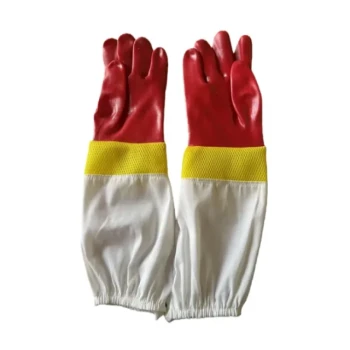
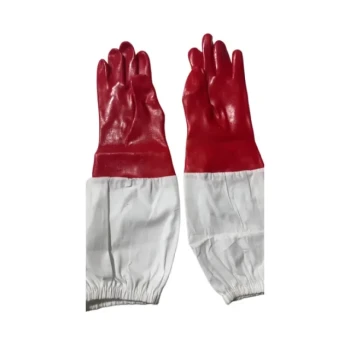
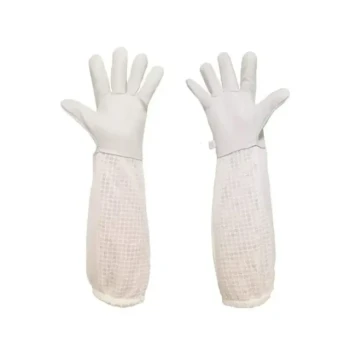
Gloves and boots are essential for sealing the openings at your wrists and ankles. These components ensure that bees cannot crawl up sleeves or pant legs, completing the physical barrier.
Optimizing Safety Through Fit and Layering
The gear itself is only effective if worn correctly. Your underlying clothing and the fit of the gear play a massive role in preventing stings.
The Importance of a Loose Fit
Protective clothing should be worn loose to allow for freedom of movement. It is highly recommended to choose a size larger than your normal wear; a tight fit can restrict movement, increase heat, and bring the fabric closer to the skin where stings can penetrate.
Strategic Layering
The clothing worn under your gear contributes significantly to safety. Wear thick denim jeans or canvas painter’s pants and a long-sleeve shirt.
Securing the Gaps
If you wear a jacket, you must avoid clothing that exposes skin, such as shorts or sandals. Tuck your pants into your socks or use boot bands to cinch leg openings, and ensure your shirt has a long hem to cover your back when bending over.
Common Pitfalls and Trade-offs
While protective gear is vital, relying on it requires an understanding of its limitations and maintenance needs.
Heat vs. Protection
Full suits provide the best protection but can become uncomfortable in hot weather. Jackets are cooler but increase the risk of leg stings if your pants are too thin or loose at the ankle.
The "Stray Bee" Risk
Gear folds and zippers can hide bees. After you have finished handling the colony, you must carefully check zippers and fabric folds for stray bees to avoid bringing them into your vehicle or home.
Making the Right Choice for Your Apiary
Select your gear based on the intensity of your task and your comfort level with bees.
- If your primary focus is maximum safety or long inspections: Choose a full-body suit sized loosely to provide a comprehensive barrier against stings.
- If your primary focus is quick assessments or heat management: Opt for a beekeeping jacket with a veil, but ensure you wear heavy canvas pants and sturdy boots.
- If your primary focus is minimum interference: At the very least, wear a veil to protect your eyes and face, though this is recommended only if you are willing to risk stings elsewhere.
Ultimately, the best protective gear is the set that allows you to work the hive confidently without fear of distraction or injury.
Summary Table:
| Clothing Type | Coverage Level | Best For | Key Advantage |
|---|---|---|---|
| Full-Body Suit | Head-to-Toe | Long inspections & intensive work | Maximum security & sting prevention |
| Jacket with Veil | Upper Body & Head | Quick hive checks & hot weather | Superior ventilation & mobility |
| Veil & Hat | Face & Neck Only | Minimalist assessments | Lightweight & least cumbersome |
| Accessories | Hands & Ankles | Sealing gaps at extremities | Prevents bees from crawling inside |
Elevate Your Apiary Operations with HONESTBEE
Equip your commercial apiary or distribution business with the industry's most reliable protection and technology. At HONESTBEE, we specialize in the wholesale supply of premium beekeeping solutions, ranging from high-durability protective suits to advanced hive-making and honey-filling machinery.
Whether you are scaling your honey production or stocking a retail inventory, we provide the full spectrum of essential consumables and specialized hardware tailored to professional needs. Contact us today to discuss your wholesale requirements and discover how our comprehensive portfolio can streamline your business and protect your beekeepers.
Related Products
- White Cotton Beekeeping Jacket and Veil for Bee Keepers
- Premium Cotton Beekeeper Suit with Reinforced Fencing Veil
- Beekeeping Jacket with Hood and Veil for Beekeepers
- Beekeeper Cowboy Hat and Veil for Beekeeping
- Professional Beekeeping Suit for Kids and Girls Childrens Bee Keeper Suit
People Also Ask
- What are the features of an economical beekeeping jacket? Essential Protection for Budget-Conscious Beekeepers
- What are the pros of using a beekeeping jacket? Unlock Superior Comfort and Mobility for Your Apiary
- What factors should a new beekeeper consider when choosing between a jacket and a full suit? Security vs. Comfort
- What are the advantages of a beekeeping jacket? Superior Mobility & Comfort for Routine Hive Inspections
- When is a beekeeping jacket considered a more suitable choice than a full suit? Optimize Your Apiary Mobility