A condensation honey dryer is a precision-engineered system defined by a working vessel made from high-quality AISI 304 stainless steel. Its core functionality relies on a specialized stirrer (disc, spiral, or multi-plate), a condensing unit driven by a heat pump, a heating system, and integrated electronic moisture sensors to regulate the process.
Core Takeaway The condensation dryer distinguishes itself by using a closed-loop system rather than venting hot air. By circulating warm air to absorb moisture and a cold condenser to remove it, the system dries honey continuously at low temperatures, maximizing energy efficiency while preserving critical nutrients.
The Structural Foundation
The Working Vessel
The central component of the dryer is the working vessel, constructed from AISI 304 stainless steel. This food-grade material is essential for resisting corrosion and ensuring the purity of the honey.
Many models feature a double-wall construction. This design insulates the vessel, stabilizing internal temperatures and preventing heat loss to the surrounding environment.
Sealing and Mobility
A sealing cover sits atop the vessel. This component is critical for maintaining the closed environment necessary for the condensation cycle to work effectively.
For operational flexibility, the unit is typically equipped with wheels. This allows facility managers to reposition the equipment easily within a processing plant.
The Agitation System
Specialized Stirrers
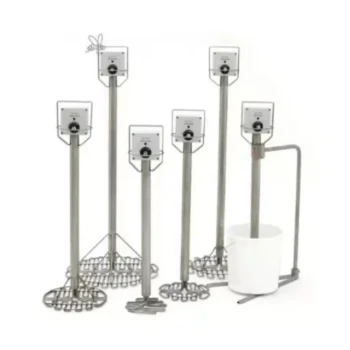
To ensure uniform drying, the machine utilizes a specially shaped stirrer. Depending on the specific model, this may be a disc, spiral, or multi-plate design.
Preventing Stagnation
The stirrer is designed to prevent dead zones within the honey. By continuously moving the product, the stirrer maximizes the surface area exposed to the dry air, ensuring that moisture is removed evenly from the entire batch.
The Thermal and Moisture Control System
The Condensing Unit
This is the defining component of the machine. A condensing unit and heat pump evaporator cool the warm, moist air coming off the honey.
As the air cools, the water vapor condenses into liquid. This liquid is captured in a dedicated stainless steel vessel for easy removal, effectively "wringing out" the air without venting it outside.
Closed-Loop Heating
Once the air is stripped of moisture, a heating system and fan re-warm the dry air. This air is then recirculated back into the vessel to bind more moisture.
Because the system reuses existing heat rather than constantly heating cold intake air, it operates with minimal energy loss and low operating costs.
Precision Monitoring
The system relies on an electronic moisture measurement system and a thermometer. These sensors provide real-time data, allowing the operator to stop the process exactly when the target humidity is reached.
Control is managed through an easy-to-use switchboard with a digital thermostat, ensuring the temperature remains strictly controlled throughout the cycle.
Understanding the Operational Trade-offs
Temperature vs. Time
This system prioritizes low-temperature drying. While this effectively prevents the increase of hydroxymethylfurfural (HMF) content and protects nutrients, it requires a continuous operation cycle rather than a high-heat, rapid blast.
Complexity vs. Efficiency
The inclusion of a heat pump, condenser, and recirculation fans makes this system more mechanically complex than a simple heater.
However, the trade-off is high energy efficiency. The closed circulation system significantly reduces electricity usage compared to open-air systems that waste heat.
Making the Right Choice for Your Goal
- If your primary focus is Quality Preservation: This system is ideal because the low-temperature process prevents thermal degradation and maintains the honey's natural nutrient profile.
- If your primary focus is Operational Cost: The closed-loop principle and heat recovery capabilities offer a significant advantage in energy savings over time.
Ultimately, the condensation honey dryer offers a technically sophisticated balance between mechanical efficiency and the delicate handling required for premium food processing.
Summary Table:
| Component | Material/Type | Function |
|---|---|---|
| Working Vessel | AISI 304 Stainless Steel | Food-grade container with double-wall insulation |
| Stirrer | Disc, Spiral, or Multi-plate | Agitates honey to prevent dead zones and increase surface area |
| Condensing Unit | Heat Pump Evaporator | Cools air to condense and remove moisture into a recovery vessel |
| Heating System | Fan-assisted Heater | Re-warms dry air for continuous closed-loop circulation |
| Control System | Digital Switchboard | Real-time monitoring of moisture levels and temperature |
Maximize Your Honey Quality with HONESTBEE Solutions
As a dedicated partner to commercial apiaries and global distributors, HONESTBEE provides the advanced machinery and tools you need to excel in the competitive beekeeping industry. Our high-efficiency condensation honey dryers are designed to preserve nutrients and minimize energy costs, ensuring your product meets premium standards.
From industrial-scale honey-filling machines to specialized hive-making equipment and essential consumables, we offer a comprehensive wholesale portfolio tailored to your growth.
Ready to upgrade your honey processing facility? Contact our expert team today to discuss your equipment needs!
Related Products
- Honey Concentrating Vacuum Heating Thickening Machine Dehumidifier for Honey
- 0.5T Capacity Honey Dehumidifier Dryer with Vacuum Heating and Thickening Filtering Machine
- Honey Concentrating and Filtering Dehumidifier Machine 2T Capacity for Honey
- High Quality Honey Dehumidifier Dryer Thickening Machine for Beekeeping
- Economy Small Scale Honey Dryer Dehumidifier Thickening Machine
People Also Ask
- What should be observed during the feeding process of the honey concentrator? Master Honey Processing Efficiency
- What are the advantages of using a honey concentrator machine in apiculture? Boost Quality & Shelf Life
- What are the benefits of a honey concentrator? Elevate Your Honey Quality and Market Value
- What maintenance should be performed when the honey concentrating equipment is not in use? Key Safety & Care Tips
- What electrical safety precaution is necessary when operating the honey concentrating equipment? Essential Grounding Tips