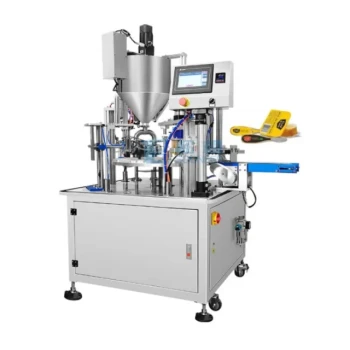
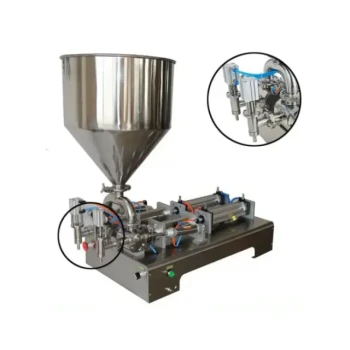
The main types of honey filling machines are categorized based on their level of automation and the method used to measure the product. The four primary categories are Automatic Viscous Liquid Filling Machines, Semi-automated Machines, Weighing Filling Machines, and Volumetric Filling Machines.
Core Insight: Selecting the correct honey filling equipment requires matching the machine's measurement method to your accuracy requirements and its automation level to your production volume. While volumetric systems are common for speed, weighing systems offer superior consistency for regulatory compliance.
Categorization by Automation Level
The first way to distinguish these machines is by how much human intervention is required during the packaging process.
Automatic Viscous Liquid Filling Machines
These systems are designed for high-speed, large-scale production environments. They automate the entire filling lifecycle, handling the unique properties of thick, sticky fluids without manual input. They are ideal for operations prioritizing maximum throughput and labor reduction.
Semi-automated Machines
These units bridge the gap between manual labor and full automation. They require an operator to place the container or initiate the fill cycle. They are typically the best entry point for small to mid-sized producers who need consistency but cannot justify the capital expense of a fully automatic line.
Categorization by Measurement Method
The second major classification relates to how the machine determines the correct amount of honey to dispense.
Weighing Filling Machines
These machines dispense honey based on net weight rather than volume.
Why this matters: Honey density can fluctuate with temperature. A weighing machine ensures that every jar contains the exact weight promised on the label, regardless of the liquid's current thickness or volume.
Volumetric Filling Machines
These machines dispense a specific physical volume of liquid into the container. This category is broad and often employs specific mechanisms to handle viscosity.
Common Volumetric Mechanisms:
- Piston Fillers: These use a cylinder to draw and push a precise amount of honey. They are excellent for thick, viscous honey.
- Pump Fillers: These utilize a pump mechanism to move viscous liquids with high precision.
- Gravity Fillers: These rely on the weight of the honey itself. They are generally only suitable for low-viscosity (runny) or heated honey.
Understanding the Trade-offs
When selecting a machine, you must navigate specific technical trade-offs regarding the physical properties of honey.
Viscosity vs. Mechanism
Honey is a non-Newtonian fluid; its flow rate changes drastically with temperature. A Gravity Filling Machine is often the most economical choice, but it may fail or perform poorly if your honey crystallizes or thickens in colder temperatures. Conversely, Piston and Pump fillers handle thick products well but typically require more complex cleaning procedures to prevent cross-contamination.
Speed vs. Accuracy
Volumetric machines are generally faster, making them suitable for high-speed lines where visual fill levels (the liquid line in the jar) must look identical on the shelf. Weighing machines may be slightly slower due to the settling time of the scale, but they eliminate the risk of under-filling by weight, which is critical for legal trade compliance.
Making the Right Choice for Your Goal
To select the best machine, you must align the equipment type with your specific operational priority.
- If your primary focus is Scalability and Speed: Choose an Automatic Viscous Liquid Filling Machine to maximize throughput and minimize labor costs.
- If your primary focus is Regulatory Compliance: Choose a Weighing Filling Machine to ensure every unit meets the exact net weight requirement regardless of temperature changes.
- If your primary focus is Budget and Flexibility: Choose a Semi-automated Piston Filler, which handles thick honey reliably with a lower initial investment.
The ideal machine is one that accommodates the "stickiest" version of your product while meeting your daily production quotas.
Summary Table:
| Machine Type | Automation Level | Measurement Method | Best For |
|---|---|---|---|
| Automatic Viscous | High | Volumetric/Pump | High-speed, large-scale production |
| Semi-automated | Medium | Piston/Manual | Small to mid-sized producers |
| Weighing Filler | Various | Net Weight | Regulatory compliance & weight accuracy |
| Volumetric Filler | Various | Volume (Piston/Pump) | High-speed lines & consistent fill levels |
Scale Your Honey Production with HONESTBEE
At HONESTBEE, we understand the unique challenges commercial apiaries and honey distributors face. Whether you are looking for high-speed honey-filling machines, specialized hive-making equipment, or a full range of beekeeping tools and consumables, our comprehensive wholesale solutions are designed to grow your business.
From industrial-grade machinery to honey-themed cultural merchandise, we provide the hardware and expertise you need to succeed in the global market. Contact us today to discuss your equipment needs and see how our tailored portfolio can enhance your operational efficiency!
Related Products
- Precision Durable Efficient HONESTBEE Rotary Honey Filling Machine
- Semi Automatic Small Honey Bottle Filling Machine Honey Filler
- Economy Small Honey Filling Machine Honey Bottle Filler Packaging Machine
- Fully Automatic Honey Filling Packaging Machine for Processing Line
- Commercial Rotary Honey Filling Machine for Production
People Also Ask
- What are the common types of bottling machines used for honey? Choosing the Right Solution for Your Apiary
- What quality control role does professional honey filling equipment perform? Ensure Consistency and Product Stability
- What is a key feature of the new generation of the honey filling machine? The Advanced Electronic Control Unit
- How do honey filling and processing machines aid native bee product conservation? Boost Value with HONESTBEE Technology
- How do high-precision honey filling machines ensure quality? Optimize Your Commercial Production with HONESTBEE