Physical flaps and toxic bait are distinct defense strategies utilized to mitigate hornet predation on honeybee colonies. Physical flaps serve as mechanical tools for the immediate, manual removal of predators at the hive entrance, while toxic bait employs chemical consumables that exploit the hornets' social feeding habits to eliminate their colony from within.
While these methods offer effective short-term relief from hornet pressure, they lack the stability required for comprehensive, long-term industrial protection. They are best understood as temporary mitigation tactics rather than permanent solutions due to the significant labor required and the fleeting nature of their results.
The Mechanism of Physical Flaps
Mechanical Intervention
Physical flaps are designed as low-cost mechanical tools. They are physically installed at the hive to assist in defense.
Immediate Removal
The primary function of these flaps is to facilitate the manual removal of hornets. They address the threat directly at the hive entrance where predation occurs.
The Mechanism of Toxic Bait
Exploiting Foraging Behavior
Toxic bait systems are chemical solutions that leverage the natural instincts of hornets. The hornets view the bait as a food source and voluntarily transport the long-acting insecticidal components back to their nest.
The Trophallaxis Effect
Once inside the nest, the poison is spread through trophallaxis, or the social sharing of food. This ensures the insecticide is distributed widely throughout the colony, rather than just affecting the individual forager.
Targeted Population Reduction
This method results in a targeted elimination of the predatory colony. It significantly lowers hornet pressure in a short timeframe and generally carries a lower environmental impact on honeybees compared to broad-spectrum spraying.
Understanding the Limitations and Trade-offs
High Labor Requirements
Physical flaps often require significant human intervention to be effective. This results in high labor costs, making them difficult to scale for large operations.
Lack of Long-Term Stability
Neither method provides a "set and forget" solution. The protection they offer is inherently unstable over long periods, requiring constant re-application or management.
Temporary Mitigation vs. Industrial Solution
Because of the labor intensity and short duration of effectiveness, these methods are viewed as temporary measures. They are generally considered insufficient for comprehensive, industrial-grade apiary protection.
Making the Right Choice for Your Apiary
To select the most appropriate defense, you must weigh the immediate reduction of predators against the resources required to maintain that defense.
- If your primary focus is low-cost, immediate defense: Physical flaps provide a mechanical barrier that allows for direct removal of predators, provided you have the labor available to manage them.
- If your primary focus is colony-level eradication: Toxic bait offers a way to target the source of the infestation through social transmission, reducing pressure more holistically than manual removal.
Ultimately, successful hornet management relies on recognizing that these tools are tactical stop-gaps, not permanent strategic fixes.
Summary Table:
| Method | Type | Primary Mechanism | Benefit | Major Limitation |
|---|---|---|---|---|
| Physical Flaps | Mechanical | Manual removal at hive entrance | Low-cost, immediate defense | High labor, non-scalable |
| Toxic Bait | Chemical | Trophallaxis (social sharing) | Colony-level eradication | Temporary, lacks long-term stability |
Secure Your Apiary with Industrial-Grade Solutions
While temporary tactics like flaps and baits offer short-term relief, commercial success requires robust, scalable equipment. HONESTBEE specializes in supporting commercial apiaries and distributors with a comprehensive range of professional beekeeping tools and machinery. From advanced hive-making systems to high-efficiency honey-filling machines and essential consumables, we provide the industrial hardware you need to thrive.
Ready to upgrade your operation? Contact HONESTBEE today to explore our wholesale offerings and professional equipment solutions!
References
- Sanjaya Bista, Sunil Aryal. Incidence and predation rate of hornet (Vespa spp.) on European honeybee (Apis mellifera L.) apiary at mid-hill areas of Lalitpur district, Nepal. DOI: 10.3126/janr.v3i1.27105
This article is also based on technical information from HonestBee Knowledge Base .
Related Products
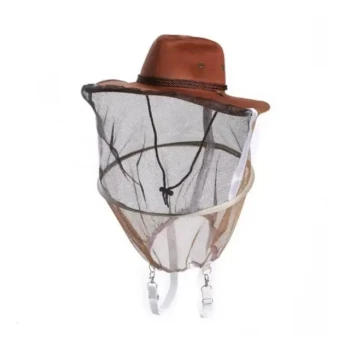
- Premium Cowboy Beekeeper Hat with Visibility Veil Outdoor Professional Beekeeping Protective Gear
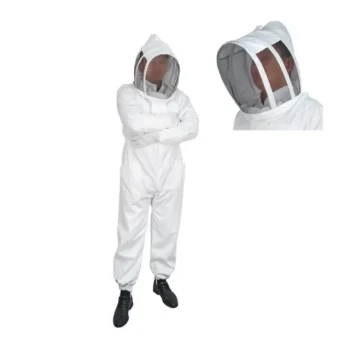
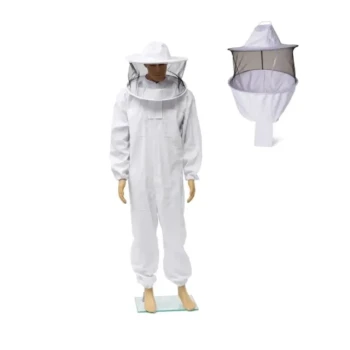
- Beekeeping Jacket with Hood and Veil for Beekeepers
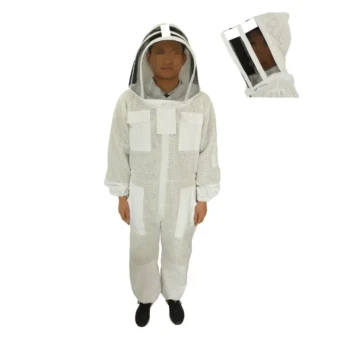
- White Cotton Beekeeping Jacket and Veil for Bee Keepers
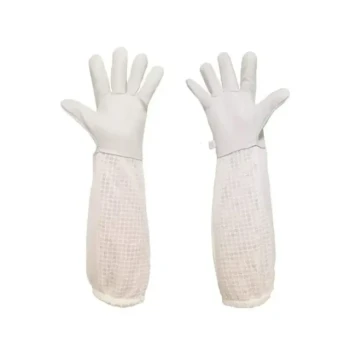
- Beekeeping Gloves Goatskin Leather with Long Cotton Sleeve for Beekeepers
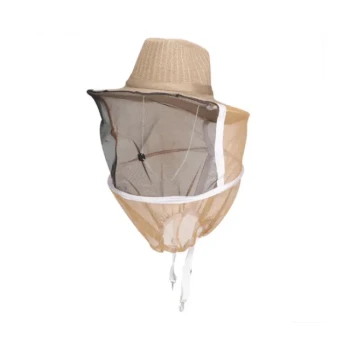
- Beekeeper Cowboy Hat and Veil for Beekeeping
People Also Ask
- What design features contribute to the stability and fit of the beekeeper hat? Key Features for Maximum Hive Safety
- How is the beekeeper hat designed for comfort and practicality? Explore Key Features for Enhanced Apiary Safety
- What is the general protective gear recommendation for new beekeepers? Your Essential Beginner's Safety Guide
- How does beekeeping protective gear facilitate the queen bee selection process? Enhancing Precision in Queen Breeding
- What should beekeepers consider when choosing protective gear? A Guide for Maximum Safety & Comfort