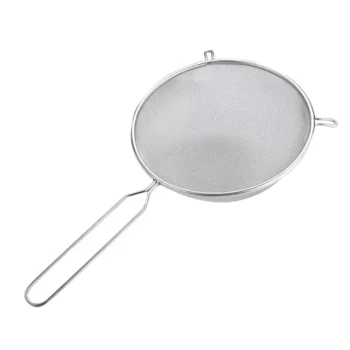
Industrial honey filtration represents the critical bridge between raw harvest and a retail-ready product. Its primary function is the mechanical removal of impurities, wax debris, and foreign particles from harvested honey, ensuring the final output achieves the clarity and high purity necessary for commercial viability.
By transforming raw, debris-filled honey into a polished commodity, filtration machines enable apiaries to meet strict sensory standards and access broad retail distribution channels that are otherwise closed to unprocessed products.
The Mechanics of Purification
Eliminating Physical Contaminants
The foundational role of an industrial filtration machine is to clean the raw harvest. Post-extraction honey often contains suspended solids, including wax cappings, bee parts, and other hive debris. Filtration effectively isolates and removes these particles to create a uniform fluid.
Ensuring Consistency and Purity
For mid-to-large scale operations, batch consistency is vital. Filtration ensures that every bottle produced maintains the same level of high purity. This mechanical standardization removes the variability found in manual straining methods, resulting in a reliable product profile.
The Commercial Value Proposition
Meeting Market Sensory Standards
Consumers and retailers judge honey by specific sensory criteria, including texture and mouthfeel. Filtration eliminates the grittiness associated with suspended debris. This process is critical for satisfying the technical requirements expected by the modern palate and quality control inspectors.
Enhancing Aesthetic Appeal
Visual presentation drives consumer behavior on the shelf. Filtration significantly improves the aesthetic value of the honey by rendering it clear and free of visible sediment. A polished, translucent product signals quality and professionalism to the consumer.
Unlocking Retail Distribution
Perhaps the most significant economic benefit is market access. Major retail chains and wholesale distribution networks enforce strict product specifications. Using industrial filtration allows commercial apiaries to fulfill these technical requirements for entry, moving their product from local farm stands to wider commercial markets.
Understanding the Operational Context
The Role in the Production Line
It is important to view filtration as one step in a larger industrial ecosystem. While extractors harvest the honey and filling machines bottle it, the filtration unit serves as the quality assurance checkpoint between these two stages. It prepares the raw material extracted by centrifugal force for the precision of automated bottling.
Scale and Necessity
The primary reference highlights that these machines are essential specifically for mid-to-large scale production. For smaller operations, the investment may be disproportionate to the yield. However, for any operation aiming for high-volume commercial retail, this equipment is not optional—it is a requisite for compliance and competitiveness.
Making the Right Choice for Your Goal
To determine if industrial filtration fits your operational strategy, consider your end-market objectives:
- If your primary focus is Mass Market Retail: You must prioritize filtration to ensure your honey is clear, sediment-free, and compliant with the strict aesthetic standards required by supermarkets.
- If your primary focus is Product Consistency: You should utilize filtration to standardize your output, ensuring that every batch meets the same high-purity benchmark regardless of harvest conditions.
Ultimately, industrial honey filtration is the defining process that elevates honey from a raw agricultural ingredient into a professional, shelf-ready consumer product.
Summary Table:
| Feature | Primary Function | Commercial Benefit |
|---|---|---|
| Contaminant Removal | Extracts wax, debris, and bee parts | Ensures high purity and food safety |
| Aesthetic Polishing | Eliminates sediment and cloudiness | Increases shelf appeal and consumer trust |
| Consistency Control | Standardizes honey texture and mouthfeel | Maintains brand reliability across batches |
| Market Compliance | Meets strict retail/wholesale standards | Unlocks distribution in major retail chains |
Elevate Your Honey Production with HONESTBEE
At HONESTBEE, we specialize in empowering commercial apiaries and distributors with the professional-grade tools needed to scale. From high-precision honey filtration and filling machines to specialized hive-making equipment, our comprehensive wholesale portfolio covers your entire production line.
Whether you are looking to enter mass-market retail or optimize your industrial efficiency, our team provides the essential machinery and consumables to ensure your honey meets the highest global standards. Contact us today to upgrade your operations!
References
- Hasan Vural, Süleyman Karaman. Socio-economic analysis of beekeeping and the effects of beehive types on honey production. DOI: 10.5897/ajar09.655
This article is also based on technical information from HonestBee Knowledge Base .
Related Products
- Electric Double Wall Honey Filtering Machine Purifier Equipment for Honey Processing Plant
- Professional Stainless Steel Honey Filtering Machine with Water Bath Heating for Beekeeping
- Honey Concentrating and Filtering Dehumidifier Machine 2T Capacity for Honey
- Automatic Honey Filling and Filtering Machine for Beekeeping Bottle Filling
- 0.5T Capacity Honey Dehumidifier Dryer with Vacuum Heating and Thickening Filtering Machine
People Also Ask
- What is the process of filtering honey? A Guide to Clean, Pure, and Market-Ready Honey
- What types of equipment are used in honey filtering? Build an Efficient System for Pure, Marketable Honey
- What is the overall importance of using the right equipment in honey filtering? Boost Quality & Marketability
- What is a potential concern associated with filtering honey? Balancing Clarity and Pollen Preservation
- What role do professional honey harvesting and filtering equipment play in meeting honey market quality standards? Boost ROI