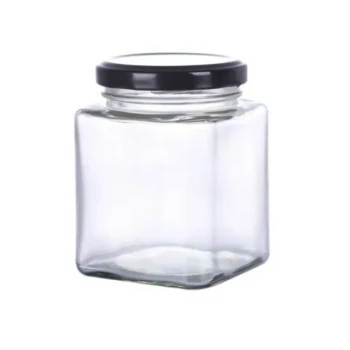
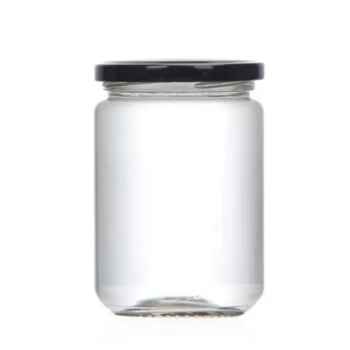
Selecting high-quality glass containers is a strategic necessity for maintaining honey's biological integrity and maximizing its market value. Glass provides a superior, non-reactive barrier that isolates the honey from moisture and oxygen, effectively preventing fermentation and enzyme degradation. Simultaneously, its transparency satisfies the critical retail requirement for consumers to visually assess the product’s color, purity, and crystallization state.
The Core Insight: Glass is the preferred material for premium honey because it reconciles two competing needs: absolute chemical isolation and total visual transparency. It creates an inert environment that locks in medicinal properties while allowing the necessary visual inspection required for high-end grading and consumer trust.
Preserving Vitality Through Chemical Inertness
Preventing Enzyme Deactivation
Honey is a biologically active substance containing enzymes that provide its medicinal and functional value.
High-quality glass is chemically inert, meaning it does not react with these sensitive organic compounds. By preventing chemical interaction, glass ensures that the honey's enzymatic activity remains intact over long periods.
Protecting Volatile Components
The distinct flavor and aroma of honey come from volatile components that can easily be lost in porous packaging.
Glass offers an impermeable seal that traps these volatiles inside. This ensures that the flavor profile remains consistent from the apiary to the consumer's table.
Ensuring Accurate Chemical Baselines
For those monitoring quality control, glass is essential because it contributes no external variables.
Changes in pH, Hydroxymethylfurfural (HMF) levels, or moisture are caused solely by the honey's internal evolution, not by the container leaching substances into the product.
The Barrier Against Environmental Degradation
Combating Hygroscopic Properties
Honey is hygroscopic, meaning it naturally attracts and absorbs moisture from the surrounding air.
If packaging allows moisture penetration, the water activity in the honey increases. Glass containers with precision seals effectively block this permeation, keeping the honey's moisture content stable.
Eliminating Fermentation Risks
When honey absorbs excess moisture, it creates an environment where yeast can reproduce.
By creating a hermetic seal, glass prevents the moisture uptake that leads to premature fermentation and spoilage. This is critical for high-water content honeys that are more susceptible to instability.
Blocking Oxidation
Oxygen is the enemy of honey's phenolic substances (antioxidants).
Glass provides a superior oxygen barrier compared to many plastics. This prevents oxidative stress that would otherwise degrade the honey's nutritional benefits and darken its color prematurely.
Enhancing Retail Appeal and Grading
Enabling Visual Grading
In the premium market, the specific shade and clarity of honey are key indicators of its floral source and quality.
The high transparency of glass allows consumers and retailers to inspect the color and layering of the honey without opening the container. This meets strict aesthetic standards required for natural honey marketing.
Monitoring Crystallization
Crystallization is a natural process for raw honey, but it varies by type and storage conditions.
Glass allows for real-time monitoring of this physical state. It transforms a potential defect (unexpected texture) into a visible attribute of authenticity that educated consumers often look for.
Understanding the Trade-offs
Weight and Logistics
While chemically superior, glass is significantly heavier than plastic or synthetic alternatives.
This increases shipping costs and requires more robust logistics planning to handle the added weight during distribution.
Fragility and Handling
Glass lacks the impact resistance of stainless steel or industrial polymers.
It requires careful handling during the packaging and transport phases to prevent breakage. For bulk transport from remote apiaries, impact-resistant synthetic containers are sometimes preferred before the final retail bottling in glass.
Making the Right Choice for Your Goal
To select the best packaging strategy, align your choice with your specific stage in the supply chain:
- If your primary focus is premium retail: Prioritize high-transparency glass to showcase color and crystallization, which signals purity to the consumer.
- If your primary focus is long-term preservation: Rely on glass for its hermetic sealing properties to prevent enzyme loss and oxidation during archival storage.
- If your primary focus is scientific analysis: Use sterile glass bottles to ensure that any measured chemical changes are intrinsic to the honey and not the vessel.
High-quality glass remains the only material that fully protects the honey's complex chemistry while simultaneously acting as its own display case.
Summary Table:
| Feature | Benefit to Honey | Impact on Market Value |
|---|---|---|
| Chemical Inertness | Preserves enzymes and volatile aromas | Maintains medicinal and flavor profile |
| Hermetic Sealing | Blocks moisture and oxygen penetration | Prevents fermentation and oxidation |
| High Transparency | Allows visual grading and color inspection | Increases consumer trust and retail appeal |
| Non-Reactive Barrier | No leaching or chemical migration | Ensures organic certification and purity |
Elevate Your Honey Brand with HONESTBEE
At HONESTBEE, we empower commercial apiaries and distributors with the professional tools needed to deliver premium honey to the global market. While high-quality glass protects your product, our comprehensive wholesale solutions ensure your production is efficient and scalable.
How we add value to your business:
- Precision Machinery: From hive-making to advanced honey-filling machines designed for glass containers.
- Full-Spectrum Equipment: A complete range of beekeeping tools and essential industry consumables.
- Brand Enhancement: Unique honey-themed cultural merchandise to differentiate your retail presence.
Ready to optimize your apiary’s output and presentation? Contact our expert team today to explore our wholesale offerings!
References
- O.V. Kostenko. Beekeeping and honey production in Russia. DOI: 10.1051/bioconf/20224802007
This article is also based on technical information from HonestBee Knowledge Base .
Related Products
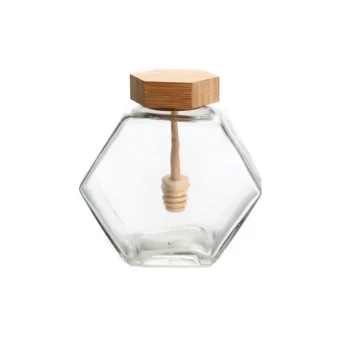
- Hexagonal Glass Honey Jar with Wooden Lid Integrated Dipper Elegant Functional Storage
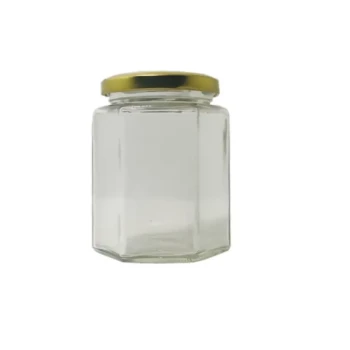
- Hexagonal Glass Honey Jars with Metal Lug Caps Elegant Versatile Packaging
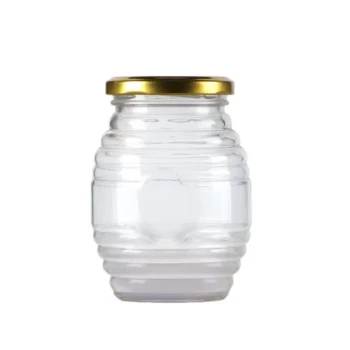
- Classic Glass Honey Jar with Metal Lug Cap for Beehive Storage
- Classic Drum Shaped Glass Honey Jar with Airtight Lid
- Modern Square Glass Honey Jar with Twist Off Lid
People Also Ask
- What are the benefits of glass jars regarding strength and safety for storing honey? Ensure Purity and Long-Term Quality
- What are the advantages of using glass jars for honey storage? Ensure Purity and Premium Appeal for Your Product
- What is the aesthetic appeal of using glass jars for honey? Elevate Your Brand with Premium Packaging
- What are the advantages of glass containers for honey? Elevate Quality and Market Value with Premium Packaging
- What are the benefits of using high-transparency Glass Jars for honey? Elevate Purity and Premium Branding