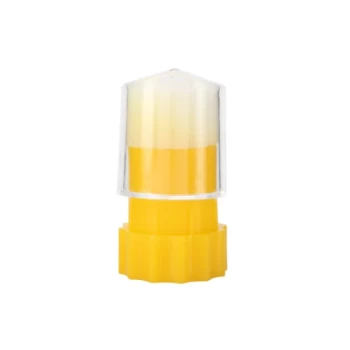
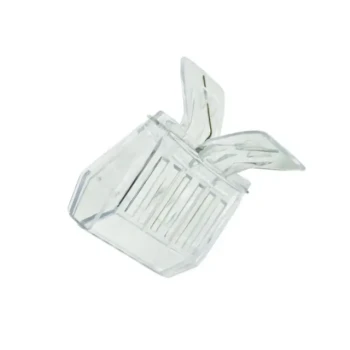
Oil-based paint markers are primarily selected for their ability to create a permanent, water-insoluble bond with the queen bee's exoskeleton. Unlike other mediums that may fade or erode, high-quality oil-based paints offer superior wear resistance against the humid environment of the hive and the constant grooming behaviors of worker bees.
The core advantage of oil-based markers is the creation of a durable, friction-resistant film that bonds specifically to chitin. While water-based options exist, oil-based formulations are chosen when the priority is ensuring the mark remains vivid and intact for the queen's entire lifespan without requiring reapplication.
The Mechanics of Adhesion and Durability
Bonding to Chitin
The primary technical reason for choosing oil-based markers is their chemical interaction with the honey bee's anatomy.
The queen's outer shell is made of chitin, a tough, protective polysaccharide. Oil-based paints form a film that adheres firmly to this specific surface texture, ensuring the mark does not flake off as the queen moves.
Resistance to Hive Behaviors
A hive is a chemically and physically active environment. Worker bees frequently groom the queen, which involves licking and rubbing her thorax.
Oil-based paint creates a water-insoluble film that resists this constant grooming. It also withstands the friction generated when the queen moves through the colony or inserts her abdomen into cells to lay eggs.
Quick-Drying Application
Despite being oil-based, these markers are formulated to dry rapidly.
This is critical for minimizing the handling time of the queen. A fast drying time prevents the paint from smearing or transferring to other bees before she is released back onto the comb.
Biological Compatibility
When sourcing markers specifically designed for apiculture, oil-based paints are formulated to be biologically neutral once dry.
High-quality markers ensure the solvents evaporate quickly, leaving a pigment that has no negative impact on the queen’s respiratory system or her distinctive pheromonal odor.
Understanding the Trade-offs
While oil-based markers offer superior durability, it is essential to understand the potential risks compared to other methods like water-based acrylics or numbered stickers.
Solvents and Odor
The solvents used in oil-based paints are necessary for the "quick-dry" effect, but they can be potent.
If a low-quality or non-specialized marker is used, the lingering solvent smell could mask the queen's pheromones or irritate her. It is vital to use markers where the solvent evaporates almost instantly to ensure she is accepted back into the hive without triggering aggression.
Permanence vs. Correction
The strength of oil-based paint is also its main drawback regarding application errors.
Because the paint is water-insoluble and binds strongly to the exoskeleton, mistakes are difficult to correct. Unlike water-based paints which might be wiped away quickly if wet, an oil-based mark is essentially permanent the moment it dries.
Making the Right Choice for Your Goal
Selecting the correct marking tool depends on balancing longevity with ease of application.
- If your primary focus is maximum longevity: Choose oil-based markers to ensure the mark withstands grooming and remains visible for the queen's full multi-year lifespan.
- If your primary focus is safety and ease of use: Consider water-based acrylic markers (like Posca pens), which are the industry standard for low toxicity and gentle application, even if they are slightly less durable.
- If your primary focus is individual tracking: Use numbered stickers, as these allow for precise record-keeping of genetics and specific breeding lines beyond simple identification.
Ultimately, the choice of oil-based paint relies on the need for a rugged, "set-it-and-forget-it" identifier that survives the rigors of the hive environment.
Summary Table:
| Feature | Oil-Based Paint Markers | Water-Based Markers | Numbered Stickers |
|---|---|---|---|
| Durability | High (Permanent film) | Moderate (May fade) | High (If applied well) |
| Adhesion | Bonds to chitin specifically | Surface level | Adhesive backing |
| Drying Time | Very Fast (Solvent-based) | Moderate | Immediate |
| Grooming Resistance | Excellent | Fair | Good |
| Primary Benefit | Lifetime visibility | Low toxicity/Ease of use | Precise individual tracking |
Scale Your Apiary Operations with HONESTBEE
At HONESTBEE, we specialize in empowering commercial apiaries and beekeeping distributors with the tools they need for success. From high-durability queen marking markers to specialized hive-making and honey-filling machinery, our comprehensive wholesale catalog is designed to streamline your production.
Partner with HONESTBEE to access:
- Premium Tools: Industrial-grade beekeeping equipment and consumables.
- Machinery Solutions: Automated systems for hive manufacturing and honey processing.
- Global Distribution: Reliable supply chains for all your apiary hardware needs.
Ready to elevate your beekeeping business? Contact us today to request a quote or view our full catalog!
References
- Slobodan Dolašević, Zoran Stanimirović. A New Technique for Marking Queen Bees (Apis mellifera) for Better Visibility and Easier Spotting. DOI: 10.3390/agriculture15060645
This article is also based on technical information from HonestBee Knowledge Base .
Related Products
- Plastic Long Marker Device for Catching and Marking Bees Queen Bee Marking Tube and Cage
- Transparent Plastic Bee Catcher Queen Marker Tube Cage Beekeeping Tool Equipment
- Queen Bee Catcher Plastic Bee Marker Bottle with Piston Marking Tube
- One Hand Yellow Queen Marking Catcher Tube Cage Beekeeper Tool Accessory for Queen Bee
- Queen Bee Marking Pen POSCA Queen Marking Pens for Beekeeping Bee Markers
People Also Ask
- Where on the queen bee's body should the mark be applied? Master the Art of Safe Queen Identification
- What are the primary objectives for marking a queen bee? Master Hive Management and Data Tracking
- Why is the physical marking of a queen bee important? Ensure Precise Colony Replacement Cycle Tracking
- How do you capture and immobilize a bee for marking? Master Safe Queen Handling for Your Apiary
- What are the different methods for applying a mark to a queen bee? Master Safe and Effective Queen Marking Techniques