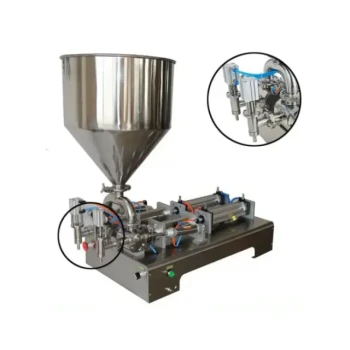
The primary process advantage of using professional spraying equipment is the ability to atomize algae extract syrups into uniform, fine droplets that are applied directly onto the bee cluster. This physical consistency is critical because it triggers the colony's natural social behaviors, resulting in a rapid and even distribution of the active ingredients throughout the population.
Core Insight Professional spraying is not just about application ease; it is a delivery mechanism that exploits the bees' social grooming instincts. By coating the bees in a fine mist, the process ensures colony-wide ingestion, effectively regulating key gut bacteria like Bartonella to improve overall hive health.
The Mechanics of Delivery
Achieving Uniform Atomization
Professional equipment is engineered to convert viscous syrups containing algae extracts into uniform fine droplets.
Unlike manual methods which may result in uneven pooling or large drops, professional sprayers ensure a consistent mist. This consistency is essential for covering a maximum surface area of the bee cluster without drenching or chilling the insects.
Direct Cluster Application
The equipment allows for precise targeting, delivering the formulation directly onto the bee cluster.
This targeted approach minimizes waste and ensures the active ingredients land on the bees themselves, rather than on the hive structure where they might be ignored or cleaned away as debris.
Leveraging Bee Behavior for Distribution
Triggering Social Grooming
The effectiveness of this process relies on the biological reaction of the colony to the fine mist.
When bees are coated with the sticky syrup mist, it stimulates their social grooming behavior. Bees instinctively lick and clean one another to remove the substance.
Rapid Colony-Wide Uptake
This grooming chain reaction acts as a high-speed distribution network.
As bees clean their nestmates, they ingest the algae extract. This ensures the active ingredients are delivered rapidly throughout the entire colony, reaching a far greater percentage of the population than static feeding methods typically achieve.
Biological Outcomes
Regulation of Gut Microbiota
The ultimate goal of this process is the precise regulation of the bee gut microbiome.
The widespread ingestion facilitated by the spray facilitates the growth of beneficial bacteria, specifically regulating the abundance of Bartonella.
Enhancing Overall Health
By stabilizing the gut microbiota, the treatment supports the immune system and nutrient absorption of the bees.
The primary reference indicates that this method effectively improves the overall health of the honeybee population, linking the mechanical efficiency of the spray directly to biological vitality.
Understanding the Trade-offs
Equipment Complexity vs. Efficacy
While professional spraying offers superior distribution, it requires specialized machinery compared to simple gravity feeders.
The process relies on the equipment's ability to maintain pressure and nozzle cleanliness to produce the required "fine droplets." If the equipment is poorly maintained, droplet size may increase, reducing the trigger for social grooming and diminishing the uniformity of the dose.
Making the Right Choice for Your Goal
To determine if professional spraying is the right approach for your apiary management, consider your specific objectives:
- If your primary focus is rapid disease intervention: The spraying method is superior because it utilizes social grooming for immediate, colony-wide ingestion of the active ingredients.
- If your primary focus is microbiome precision: The ability to evenly distribute algae extracts ensures that beneficial bacteria like Bartonella are regulated consistently across the entire population.
Professional spraying transforms a nutritional supplement into a systemic health treatment by working with bee biology rather than just providing a passive food source.
Summary Table:
| Feature | Professional Spraying | Manual/Feeding Methods |
|---|---|---|
| Application Mode | Fine atomized mist onto cluster | Passive feeding or large droplets |
| Distribution Trigger | Stimulates social grooming instincts | Relies on individual consumption |
| Uniformity | High - ensures colony-wide uptake | Low - leads to uneven dosing |
| Biological Impact | Regulates Bartonella & gut health | Inconsistent microbiome support |
| Efficiency | Rapid delivery with minimal waste | Slower distribution and higher waste |
Maximize Your Colony Vitality with HONESTBEE Solutions
At HONESTBEE, we understand that precision is the key to healthy, productive apiaries. Our professional-grade beekeeping machinery and specialized tools are designed to help commercial apiaries and distributors implement advanced health treatments like algae extract spraying with ease.
Whether you need state-of-the-art hive-making equipment, honey-filling machines, or essential industry consumables, we provide the full spectrum of hardware to scale your operations. Partner with us to access high-quality wholesale equipment that empowers your business to deliver superior results in honey production and bee health management.
Ready to elevate your beekeeping standards? Contact HONESTBEE today for a comprehensive consultation and wholesale quote.
References
- Benjamin Nichols, Vincent Ricigliano. Uses and benefits of algae as a nutritional supplement for honey bees. DOI: 10.3389/fsufs.2022.1005058
This article is also based on technical information from HonestBee Knowledge Base .
Related Products
- Professional Plastic Honey Dipper for Easy Honey Drizzling
- Professional Bee Smoker with Elongated Spout and Durable Bellows for Beekeeping
- Professional 600D Oxford Cloth Beekeeping Tool Bag with 8 Pockets and Elastic Loops
- Professional Wide Blade Honey Scraper for Beekeeping and Honey Processing
- Premium Diamond-Faceted Glass Honey Dispenser
People Also Ask
- What is a honey taking spoon called? Discover the Tool for a Perfect, Mess-Free Drizzle
- What is a honey dipper? Master the Art of the Perfect Drizzle with This Essential Tool
- What is a honey dipper and what is it used for? A Guide to Mess-Free Drizzling
- What is the proper method for cleaning a honey dipper? Maintain Pure Flavor with These Easy Pro Tips
- How do you clean and store a honey dipper? Simple Steps for Long-Lasting Performance