Determining the right time to harvest honey requires observing your local environment and hive conditions rather than strictly following a calendar. You should generally harvest from established colonies when there is a high volume of capped honey following a major nectar flow, which often occurs around July.
Successful harvesting relies on timing the local nectar flow and colony maturity. While a July harvest is common, the priority is ensuring the bees have capped their stores and that the colony is mature enough to withstand the removal of resources.
Environmental Indicators Over Calendar Dates
Following the Local Climate
Honey production is dictated by your local climate and the specific timing of the nectar flow. While calendars provide a rough estimate, the availability of blooming flora is the true driver of harvest potential.
Identifying the Major Nectar Flow
For many beekeepers, the primary harvest window opens around July. This timing typically follows a major nectar flow, allowing the bees to gather a surplus of resources.
Opportunities for Secondary Harvests
In some regions, a second harvest is possible in the autumn. This depends entirely on whether a secondary nectar flow occurs late in the season, providing the colony with additional surplus.
Assessing Hive Readiness
The Visual Cue of Capped Honey
Before extracting, you must inspect the frames for a specific visual indicator. You are looking for a high volume of capped honey, which indicates the bees have dehydrated the nectar to the correct moisture level for long-term storage.
Colony Age and Maturity
The age of your colony is a critical "stop or go" criterion. It is generally recommended that you do not harvest honey during a colony's first season.
Why First-Year Hives are Different
New colonies require their entire first season to build sufficient stores and become fully established. Harvesting from them prematurely can jeopardize their ability to survive the coming winter.
Understanding the Trade-offs
Surplus vs. Survival
Harvesting is essentially taking the colony's winter food reserves. You must ensure that you are only taking the surplus produced during a strong flow, not the core stores needed for colony health.
The Cost of Impatience
Harvesting uncapped honey or taking honey from an immature colony can lead to fermentation or starvation. Waiting for the cells to be capped and the colony to mature is the only way to ensure a high-quality product and a surviving hive.
Making Strategic Harvesting Decisions
- If your primary focus is a new colony: Do not harvest this year; prioritize allowing the bees to build stores and establish themselves for the winter.
- If your primary focus is an established colony: Monitor for the end of the major nectar flow (usually July) and harvest only when you see a high volume of fully capped honey.
Respecting the colony's lifecycle and local environmental cues ensures a sustainable harvest without compromising the hive's future.
Summary Table:
| Harvesting Criterion | Key Indicator | Recommendation |
|---|---|---|
| Colony Age | 1st Year vs. Established | Avoid harvesting from new colonies; wait for the 2nd season. |
| Honey Condition | Capping Status | Only harvest frames with a high volume of fully capped honey cells. |
| Seasonal Timing | Nectar Flow | Typically July, following the major local nectar flow peak. |
| Environmental Sign | Floral Availability | Monitor blooming local flora rather than relying on a calendar. |
| Colony Health | Resource Surplus | Ensure sufficient honey remains for the bees to survive winter. |
Scale Your Honey Production with HONESTBEE
Maximize your apiary's efficiency and yield with high-performance beekeeping technology. HONESTBEE empowers commercial apiaries and distributors by providing a comprehensive range of professional-grade tools and machinery.
Whether you need precision honey-filling machines, durable hive-making equipment, or a steady supply of essential industry consumables, we deliver the quality you need to succeed in the competitive honey market. Our wholesale solutions are designed to support your growth, from specialized hardware to honey-themed cultural merchandise.
Ready to upgrade your commercial beekeeping operation?
Contact HONESTBEE Today to Explore Our Wholesale Catalog
Related Products
- High Quality Honey Dehumidifier Dryer Thickening Machine for Beekeeping
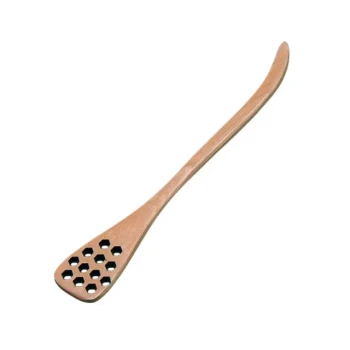
- Modern Honeycomb Pattern Wooden Honey Dipper for Stirring and Drizzling
- Economy Small Scale Honey Dryer Dehumidifier Thickening Machine
- Classic Honey Bear Jars with Flip Top Dispensing Cap for Liquid Sweeteners
- Inverted Squeezable Honey Jar with No Drip Flip Top Cap for Easy Pouring
People Also Ask
- Can you dehumidify honey? A Beekeeper's Guide to Preventing Fermentation
- How to dry up honey? The Safe Guide to Stabilizing Honey and Preventing Fermentation
- How can the moisture content of honey be reduced? A Guide to Safe, Effective Drying Methods
- How to remove humidity from honey? Protect Your Harvest from Fermentation
- What is the process for using a dehumidifier to lower honey's moisture content? Expert Drying Techniques