Safely transporting fully populated beehives requires four controls: timing, containment, ventilation, and mechanical stability. Move colonies after dark when foragers have returned, secure the hive into one rigid unit with heavy-duty straps, use breathable mesh to prevent escapes, and transport it with a suitable hand truck and full protective equipment. For short relocations, move the hive incrementally; for distances beyond approximately 3 km, it can generally be moved in one operation.
The main transport risk is not simply bee escape—it is colony overheating, crushed bees, shifting frames, or a hive separating during handling. Treat every populated hive as a heavy, live load that requires airflow, restraint, careful orientation, and a controlled unloading procedure.
Prepare the Colony Before Moving
Choose the correct time
Schedule the move for late evening or nighttime, after most or all foraging bees have returned. Cooler conditions also reduce the risk of overheating while the entrance is screened.
Avoid moving during the hottest part of the day, particularly when the colony will be confined on an open vehicle or exposed to direct sunlight.
Inspect the hive structure
Before lifting, check that the bottom board, brood chamber, supers, crownboard, and cover are properly seated and in usable condition. Repair loose or damaged components before transport rather than relying on straps to compensate for weak hardware.
If reducing weight is necessary, remove honey supers or queen excluders only when this can be done safely and without compromising the colony’s organization. A fully populated hive can weigh up to approximately 100 kg, especially when honey stores and multiple boxes are present.
Stabilize the frames
Press the brood-chamber frames tightly toward one side of the box and secure them with suitable frame fasteners, frame spacers, or other approved restraints where needed. This limits frame movement and reduces the risk of bees being crushed between swinging frames.
Orient the hive so the frames run parallel to the direction of travel. This reduces side-to-side frame movement caused by braking, acceleration, and road vibration.
Contain the Bees Without Blocking Airflow
Screen the entrance
Replace or cover the entrance with a perforated zinc strip, wire-gauze screen, or robust entrance mesh. The barrier must prevent bees from escaping while allowing continuous airflow.
Foam or sponge plugs may be useful for temporary closure, but they should not be used in a way that blocks essential ventilation. The closure must be secure enough to withstand vibration and wind.
Seal unwanted gaps
Inspect the hive for cracks, loose joints, screened openings, and gaps around the cover. Seal unintended escape routes with suitable heavy-duty tape, while keeping the planned ventilation area open.
Do not make the hive completely airtight. A sealed hive can overheat rapidly, and heat stress may kill bees even when the outside temperature does not appear extreme.
Manage heat during the journey
For hot-weather or multi-day transport, use additional screened ventilation and prevent direct sun exposure where possible. Maintain adequate feed stores inside the hive, since the colony may be confined and unable to forage.
During prolonged hot-weather journeys, some beekeeping practices use water applied to the exterior ventilation screen to assist cooling. This requires careful monitoring and should not replace proper airflow, shade, and temperature management.
Use the Correct Transport Equipment
Hive restraint equipment
The core restraint system should include:
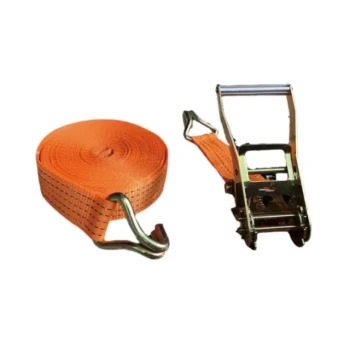
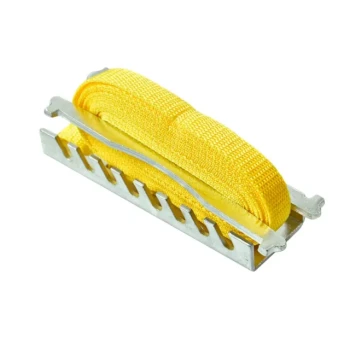
- Heavy-duty ratchet straps rated for the load.
- A sufficient number of straps to bind the bottom board, hive bodies, and cover into one stable assembly.
- Breathable entrance screens or perforated entrance closures.
- Heavy-duty tape for sealing unintended gaps.
- Frame fasteners or internal frame restraints where frame movement is possible.
Straps should clamp the hive components firmly without crushing boxes, deforming covers, or obstructing the ventilation screen. Check the tension again immediately before loading.
Handling equipment
Use a heavy-duty hand truck, hive trolley, or powered lifting aid appropriate for the hive’s weight and the ground conditions. A fully loaded hive should not be carried manually by one person.
Keep the hive upright throughout handling. Use two trained operators for loading and positioning when the equipment or terrain requires additional control.
Personal protective equipment
Handlers should wear:
- A full bee suit or protective clothing.
- A properly fitted veil.
- Protective gloves, particularly during loading and unloading.
- Closed, stable footwear.
Keep a bee smoker and fuel immediately available. Confined colonies can become defensive, and the smoker provides a response option if bees escape when screens are fitted or removed.
Vehicle and load-control equipment
The vehicle must have a flat, stable loading area and enough capacity for the hive weight. Use additional cargo restraints to prevent the hive from sliding, tipping, or shifting during transit.
When using an open vehicle, protect the load from excessive wind and direct sun. Heavy-duty outer straps or a suitable flat migratory cover can help prevent covers from lifting, but they must not compromise ventilation.
Follow a Controlled Loading and Transit Protocol
Close and secure the hive
At dusk or after dark, install the screened entrance and confirm that every unintended gap is sealed. Then strap the bottom board, hive bodies, and cover together as a single unit.
The transport unit should be tested gently by hand before lifting. If any box moves independently, correct the restraint before proceeding.
Load with the frames correctly aligned
Place the hive upright and maintain the selected frame orientation during loading. Position it so the vehicle’s movement will not cause frames to swing into one another.
Avoid sudden lifting, dropping, sharp turning, and hard braking. Smooth driving is part of colony protection because road shock can damage comb and crush bees.
Recheck the load during transport
For longer journeys, stop periodically in a safe location to inspect the straps, ventilation screens, temperature conditions, and overall stability. Do not open the hive on the roadside unless an emergency requires it and the area can be controlled safely.
Keep the hive shaded whenever possible. Never leave a screened, populated hive in a stationary vehicle where heat can build rapidly.
Unload before opening the colony
Set the hive on its permanent stand before removing transport restraints. Once it is stable and the surrounding area is safe, remove the entrance screen promptly—normally at the new apiary before the colony resumes normal activity.
Wear protective clothing and keep the smoker ready when opening or unscreening the hive. The colony may be more defensive after confinement and vibration.
Handle Relocation Distance Correctly
Moves under approximately 3 km
Field bees may attempt to return to the original apiary if the hive is moved a short distance in one operation. For these moves, relocate the hive incrementally by less than approximately 1 metre per day, allowing the bees to update their local orientation.
This approach is slower but reduces the risk of losing experienced foragers back to the old site.
Moves beyond approximately 3 km
When the new apiary is sufficiently distant—approximately 3 km or more—the colony can generally be moved in one operation because returning foragers are less likely to navigate back to the original location.
The distance rule does not replace good timing, secure containment, ventilation, or careful driving. Those controls remain necessary regardless of the destination.
Understanding the Trade-offs
Sealing versus ventilation
The hive must be bee-proof but not airtight. Over-sealing reduces escape risk but increases the danger of heat accumulation and oxygen-related stress, while excessive openings create escape routes.
Use a secure mesh screen as the primary solution rather than relying on solid plugs alone.
Weight reduction versus colony stability
Removing supers can reduce lifting risk, but opening or dismantling a populated hive adds handling time and can disturb the colony. Where the hive can be safely moved intact, securing the complete assembly is often preferable.
The correct decision depends on hive weight, available lifting equipment, box condition, terrain, and the number of handlers.
Speed versus colony welfare
A fast move is not necessarily a safe move. Rough roads, abrupt driving, and hurried loading increase the likelihood of comb damage, crushed bees, strap failure, and operator injury.
For commercial or wholesale operations, the right objective is predictable, repeatable handling, not simply the shortest transit time.
Equipment standards versus improvised solutions
Improvised rope, weak tape, damaged straps, or poorly fitted screens may fail under vibration and wind. Transport equipment should be load-appropriate, inspected before use, and replaced when worn.
Distributors and apiary operators should maintain a dedicated transport kit so that every relocation uses the same verified process.
Making the Right Choice for Your Goal
Select the protocol and equipment according to the operating conditions:
- If your primary focus is colony safety: Prioritize nighttime movement, screened ventilation, stable frame restraint, shade, and smooth driving.
- If your primary focus is handler safety: Use a heavy-duty hive trolley or hand truck, full protective clothing, and at least two trained handlers for heavy or difficult loads.
- If your primary focus is commercial fulfillment: Standardize a transport kit containing rated ratchet straps, entrance screens, sealing tape, frame restraints, protective suits, smokers, and load-control equipment.
- If your primary focus is a short-distance relocation: Move the hive incrementally by less than approximately 1 metre per day, or relocate it beyond approximately 3 km in one operation.
- If your primary focus is hot-weather or long-distance transport: Increase screened ventilation, provide shade and monitoring, retain adequate feed stores, and plan safe inspection stops.
A disciplined combination of containment, ventilation, structural restraint, protective equipment, and distance planning makes fully populated hive transport safer for the colony, the handlers, and the wider logistics operation.
Summary Table:
| Protocol/Equipment | Key Requirements | Purpose |
|---|---|---|
| Timing | Move after dark; nighttime preferred | Ensure all foragers returned and reduce heat stress |
| Containment | Breathable entrance screens; seal gaps with tape | Prevent escapes while allowing airflow |
| Ventilation | Use mesh screens; avoid complete sealing | Prevent overheating and ensure oxygen supply |
| Mechanical Stability | Heavy-duty ratchet straps; frame fasteners; secure bottom board to cover | Keep hive intact and frames stable during transit |
| Handling Equipment | Hand truck or trolley with adequate capacity; use two operators for heavy loads | Safe lifting and maneuverability |
| Personal Protective Equipment | Full bee suit, veil, gloves, closed footwear | Protect handlers from stings |
| Distance Management | Under 3 km: move in increments <1m/day; over 3 km: one-time move | Prevent forager loss |
Streamline your apiary operations with HONESTBEE's wholesale beekeeping equipment. We supply the full spectrum of tools, machinery, and consumables—from hive-making machines to honey-filling lines. For distributors and commercial apiaries, our one-stop sourcing ensures rapid response, certified quality, and reliable fulfillment. Unlock exclusive OEM/ODM options and competitive margins—contact us today at #ContactForm to discuss your bulk requirements and elevate your business.
Related Products
- Plastic Transporting Bee Packages and Nuc Boxes for Beekeeping
- Heavy Duty Ratchet Hive Strap
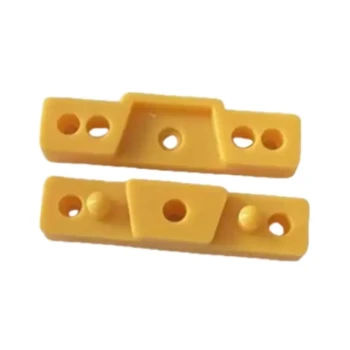
- Durable Plastic Interlocking Hive Connector for Beekeeping
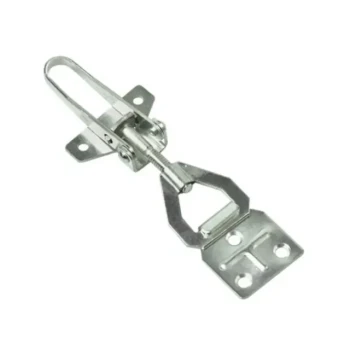
- Heavy Duty Adjustable Hive Connector
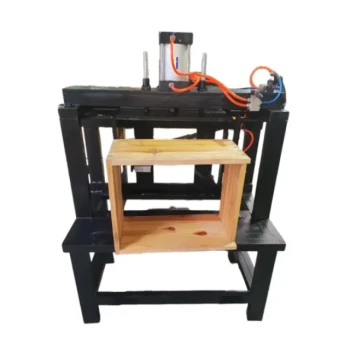
- High-Efficiency Pneumatic Bee Hive Making Machine for Rapid Box Assembly
People Also Ask
- What role do bee package boxes play in the commercial transport and expansion of honeybee colonies? - Logistic Essentials
- What are beekeeping boxes called? A Guide to Hive Bodies and Box Types
- How do standardized bee packages serve as a recovery mechanism for commercial beekeeping? Ensure Business Continuity
- What is the commercial value of using standardized bee packages? Drive Scalability in Large-Scale Apiaries
- Why is the timely introduction of high-quality bee packages critical? Save Your Apiary from Asian Hornet Invasions