Expanded polystyrene (EPS) hives present a distinct set of functional advantages centered on thermal efficiency. The primary reported benefit is a potential increase in honey production of up to 35%, driven by the material's high insulation properties which reduce the colony's need to consume stores for temperature regulation. However, the most significant reported downside is that bees tend to chew on polystyrene hives more aggressively than they do on traditional wooden structures, potentially compromising the hive's interior.
The core value of an EPS hive lies in its superior insulation, which directly correlates to higher honey yields and better colony survival, provided the beekeeper accepts the risk of structural damage caused by the bees chewing the material.
Thermal Efficiency and Productivity
Impact on Honey Production
The most significant advantage of using high-density expanded polystyrene is the potential for increased yield.
Reports indicate that colonies in poly hives can produce up to 35% more honey than those in wooden alternatives. This is a direct result of energy conservation.
Reducing Energy Consumption
In a standard hive, bees must consume their honey stores to generate metabolic heat during cold periods.
Because EPS offers superior thermal protection, bees expend less energy—and eat less honey—to maintain the necessary internal cluster temperature.
Year-Round Climate Control
The insulation benefits extend beyond winter survival.
EPS hives protect colonies from the heat of harsh summers as well as the cold of winter. This stability helps regulate the internal environment, contributing to overall healthier bees.
Durability and Maintenance Requirements
Resistance to Decay
Unlike wooden hives, EPS hives are impervious to rot and moisture damage.
They do not suffer from the structural decay caused by exposure to the elements, nor do they succumb to mold. This eliminates the need for the frequent repairs often associated with wood.
Reduced Upkeep
EPS hives require virtually no maintenance compared to traditional materials.
They generally do not require painting or chemical treatments to maintain their integrity. While the initial cost may be slightly higher, the lack of ongoing maintenance makes them cost-effective over the product's lifecycle.
Weight and Portability
Polystyrene is significantly lighter than wood.
This makes the hives much easier to handle, lift, and transport. For beekeepers managing multiple colonies or those concerned with the physical strain of lifting heavy wooden boxes, this is a major ergonomic advantage.
Understanding the Trade-offs
The Chewing Issue
The primary functional disadvantage of EPS hives is the interaction between the bees and the material.
Reports confirm that bees chew on polystyrene more aggressively than they do on wood. Over time, this behavior can damage the interior walls of the hive, potentially requiring components to be replaced sooner than expected due to biological wear rather than environmental rot.
Environmental Impact
While EPS is a plastic product, it possesses strong environmental credentials regarding disposal.
At the end of their usable life, these hives are 100% recyclable. This offers a sustainable disposal route, contrasting with treated wooden hives that may eventually rot into waste.
Making the Right Choice for Your Apiary
Deciding between EPS and wood depends largely on your local climate and your capacity for maintenance.
- If your primary focus is maximizing yield: The superior insulation of EPS can boost honey production by up to 35% by reducing the colony's energy expenditure.
- If your primary focus is durability and low maintenance: EPS hives offer a lightweight, rot-proof solution that eliminates the need for painting and treating associated with wood.
- If your primary focus is structural resilience against pests: Wooden hives remain superior in resisting the aggressive chewing behaviors often exhibited by bees in polystyrene environments.
By weighing the immediate benefits of thermal efficiency against the long-term potential for insect damage, you can select the material that best supports your colony's specific needs.
Summary Table:
| Feature | Expanded Polystyrene (EPS) Hives | Traditional Wooden Hives |
|---|---|---|
| Thermal Efficiency | High (Reduces energy/honey consumption) | Low (Higher metabolic heat demand) |
| Honey Production | Potential for up to 35% increase | Standard yields |
| Durability | Rot-proof, moisture-resistant | Susceptible to rot and mold |
| Maintenance | Low (No painting or treatment required) | High (Requires regular upkeep) |
| Weight | Very Lightweight (Highly portable) | Heavy (Greater physical strain) |
| Structural Integrity | Prone to damage from bee chewing | Resilient to bee chewing |
| Sustainability | 100% Recyclable | Biodegradable (if untreated) |
Maximize Your Apiary’s Productivity with HONESTBEE
Looking to scale your honey production or streamline your commercial beekeeping operations? HONESTBEE is a leading global supplier dedicated to commercial apiaries and distributors. We provide high-performance EPS hives, honey-filling machines, and specialized hive-making equipment designed to enhance efficiency and yield.
Whether you need a full spectrum of beekeeping tools, heavy-duty machinery, or essential industry consumables, our comprehensive wholesale offering has you covered. Let us help you modernize your infrastructure and boost your profitability.
Ready to upgrade your equipment?
Contact our team today for a custom quote and wholesale catalog!
Related Products
- Professional Insulated Plastic Bee Hives
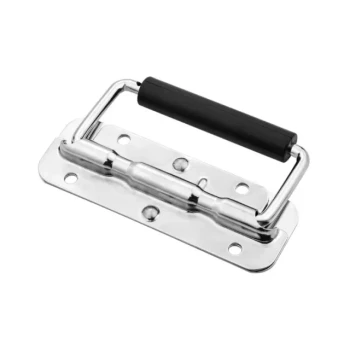
- Professional Grade Foldable Beehive Handles
- Durable Plastic Interlocking Hive Connector for Beekeeping
- Durable Plastic Hive Number Set for Beekeeping
- Plastic Bee Hive Stand for Beekeeping
People Also Ask
- What are the advantages of plastic bee hives? Boost Efficiency & Durability for Your Apiary
- Are plastic bee hives any good? Unlock Durability & Efficiency for Your Apiary
- How do plastic bee hives compare to wooden hives in handling? Reduce Strain & Boost Efficiency
- Are plastic bee hives good? Durable, Low-Maintenance Hives for Modern Apiaries
- What are the disadvantages of plastic beehives? Key Operational and Environmental Risks Exposed