The primary risks of using used beekeeping housing are the transmission of persistent diseases and exposure to accumulated chemical residues. Because pathogens can survive on hive materials for years, used equipment often acts as a vector for infection. Furthermore, drawn wax within these hives may contain built-up toxins that negatively impact the health and productivity of a new honeybee colony.
While used equipment offers lower upfront costs, it carries the high risk of introducing the very diseases that killed the previous occupants. The combination of dormant pathogens and chemical buildup makes used gear a significant liability for new colonies.
The Biological Hazard: Inherited Diseases
The Persistence of Pathogens
The most critical risk involves the biological history of the equipment. Pathogens can survive for years in used materials, remaining dormant long after the original colony has perished.
The "Ghost" of the Previous Colony
Used equipment is frequently available because the previous colony died. By purchasing this gear, you may unwittingly inherit the exact disease that caused the initial mortality.
Difficulty of Detection
These microscopic threats are often invisible to the naked eye. A hive box may look structurally sound and clean while harboring spores capable of decimating a new population.
The Chemical Hazard: Toxic Buildup
Residues in Drawn Wax
The wax combs (drawn wax) inside used equipment act as a chemical sponge. Over time, they experience a build-up of chemicals or residues, often from past mite treatments or agricultural exposure.
Impact on Colony Health
This chemical accumulation is not benign. High levels of residue can directly compromise the health and productivity of your new bees.
Synergistic Effects
The presence of these chemicals can weaken the bees' immune systems. This makes them even more susceptible to the biological pathogens lurking in the woodware.
Evaluating the Trade-offs
The False Economy
The allure of used equipment is almost always financial. However, the initial savings are often negated by the cost of replacing a colony lost to inherited disease.
The Sterilization Challenge
Novices often assume they can simply "clean" the equipment. Because these pathogens are persistent and deep-seated, standard cleaning methods are frequently insufficient to ensure safety.
Making the Right Choice for Your Goal
To ensure the best start for your apiary, consider your priorities against the risks:
- If your primary focus is maximizing colony survival: Avoid used equipment entirely to eliminate the risk of introducing dormant pathogens.
- If your primary focus is long-term productivity: Start with fresh wax foundation to ensure your bees are not exposed to historical chemical buildup.
Starting with a clean slate allows you to manage your hive's health without fighting the invisible hazards of the past.
Summary Table:
| Risk Factor | Impact on New Colony | Severity | Mitigation Strategy |
|---|---|---|---|
| Dormant Pathogens | High risk of disease transmission (e.g., AFB) | Critical | Use new, sterilized equipment |
| Chemical Residues | Weakens immune system and lowers productivity | High | Start with fresh wax foundation |
| Invisible Contamination | Unexplained colony collapse or mortality | High | Professional inspections or sourcing new gear |
| Cleaning Inefficiency | Standard cleaning fails to kill persistent spores | Moderate | Industrial-grade sterilization (if applicable) |
Secure Your Apiary’s Success with HONESTBEE
Don't let the "false economy" of used equipment jeopardize your investment. At HONESTBEE, we specialize in supporting commercial apiaries and distributors with premium, contamination-free beekeeping solutions. Whether you need specialized hive-making machinery, honey-filling systems, or high-quality beekeeping tools and consumables, we provide the clean slate your bees need to thrive.
Ready to scale your honey production with professional-grade hardware? Contact our wholesale experts today to discover how our comprehensive equipment range can maximize your colony survival and long-term productivity.
Related Products
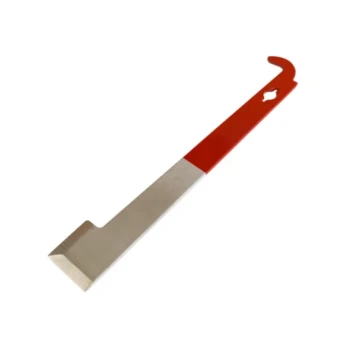
- Stainless Steel J Hook Hive Tool for Beekeeping
- HONESTBEE 15-in-1 Beekeeper Multi-Tool with Hammer and Pliers for Beekeeping
- HONESTBEE Classic Pry Bar Hive Tool with High Visibility Finish for Beekeeping
- Multi-Function Plier-Style Frame Grip Hive Tool
- Stainless Steel Queen Grafting Tool for Beekeeping and Bee Queen Grafting
People Also Ask
- What specific challenges do beekeeping hive tools address during hive maintenance? Essential Solutions for Apiaries
- What is a J-hook hive tool and why is it favored by some beekeepers? Master Gentle Frame Handling
- What are the features of a J-hook hive tool? Effortlessly Lift Frames with Superior Leverage
- What is the purpose of the J-hook hive tool? Effortlessly Lift Frames with Superior Leverage
- How is a J-hook hive tool designed and what is its primary use? Master Effortless Hive Inspections