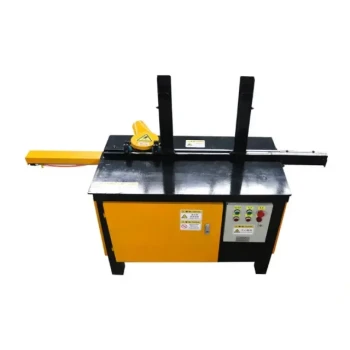
The top bar is the defining structural component of the hive, dictating both bee health and management ease.
For a functional hive, top bars should be cut to a specific width of 1 1/4 to 1 3/8 inches (32 to 35 mm) and a length of 17 to 20 inches (430 and 510 mm). These dimensions leverage natural bee biology to ensure the colony builds straight, manageable combs rather than a fused mess.
The Core Insight: The precision of the top bar's width is more important than its material. A width of exactly 1 3/8 inches aligns with the natural spacing bees use for brood combs, forcing them to build one discrete comb per bar and preventing "cross-combing" that locks the hive shut.
Critical Dimensions and Biology
The "Golden Rule" of Width
The width of the bar is the most critical specification. Most top bars are cut to 1 3/8 inches (35 mm).
This specific dimension encourages bees to build exactly one comb centered on each bar. If the bar is significantly wider or narrower, bees may build combs across multiple bars, making inspection impossible without destroying the colony's work.
Length and Fit
While the width is biological, the length is structural. Bars typically range between 17 and 20 inches (430 and 510 mm) long.
The exact length depends on your specific hive body width. The bars must span the top of the hive completely, usually with "ears" or overhangs that rest on the hive walls to support the weight of the comb.
Structural Thickness
The thickness of the wood is vital for load-bearing. Top bars should be a minimum of 3/4 inch thick.
A comb filled with honey is surprisingly heavy. If the wood is thinner than 3/4 inch, the bar may sag or snap under the weight, causing a catastrophic collapse of the comb into the bottom of the hive.
Features for Comb Stability
Comb Guides
Bees rarely build straight lines on plain flat wood without a hint. A ridge, spline, or triangular guide should run down the center of the bar's underside.
Coating this ridge with beeswax provides an olfactory and tactile cue. This ensures the bees attach their comb securely along the center of the bar rather than drifting toward the edges.
The Depth Limitation
While this refers to the hive body, it dictates the physics of the top bar. The hive depth should not exceed 12 inches (300 mm).
Because top-bar combs hang freely without a supporting perimeter frame (unlike Langstroth hives), combs deeper than 12 inches often become too heavy. The wax attachment at the top bar may shear, causing the honey-filled comb to detach and fall.
Common Pitfalls to Avoid
Ignoring the "Bee Space" at Walls
A functioning hive requires specific spacing at the front and back. You should account for a 3/16 inch spacer between the first/last bars and the hive walls.
This creates a total gap of roughly 3/8 inch (bee space). Without this, bees will glue the end bars to the hive walls with propolis, making them difficult to remove.
Inconsistent Material Choices
While you can use "any plain wood," inconsistent densities or dimensions can cause warping.
Avoid chemically treated woods, as these are in direct contact with the colony's food supply. Using recycled wood is acceptable provided it is clean, at least 3/4 inch thick, and cut to consistent dimensions.
Making the Right Choice for Your Goal
- If your primary focus is Ease of Management: Stick rigorously to the 1 3/8 inch width; this is the safest dimension to prevent cross-combing in the brood nest.
- If your primary focus is Structural Longevity: Ensure your wood is at least 3/4 inch thick and strictly limit your hive body depth to 12 inches to prevent comb collapse.
Precision in cutting your top bars is the single best investment you can make for a stress-free beekeeping experience.
Summary Table:
| Specification | Recommended Dimension | Purpose |
|---|---|---|
| Width | 1 3/8 inches (35 mm) | Aligns with natural bee biology to prevent cross-combing |
| Length | 17 to 20 inches (430-510 mm) | Spans the hive body to support comb weight |
| Thickness | Minimum 3/4 inch (19 mm) | Prevents sagging or snapping under honey weight |
| Comb Guide | Central ridge or spline | Directs bees to build straight combs along the center |
| Max Depth | 12 inches (300 mm) | Prevents heavy combs from shearing and falling |
Scale Your Beekeeping Operation with HONESTBEE
Precise dimensions are the foundation of a productive apiary. At HONESTBEE, we specialize in supporting commercial apiaries and distributors with high-quality, precision-engineered beekeeping equipment. From durable top-bar components and specialized hive-making machinery to honey-filling systems and premium industry consumables, we provide the full spectrum of tools you need to succeed.
Why partner with HONESTBEE?
- Comprehensive Wholesale Offering: A one-stop shop for all beekeeping hardware and machinery.
- Commercial-Grade Quality: Built to withstand the rigors of professional honey production.
- Global Distribution Support: Tailored solutions for large-scale operations and retailers.
Ready to enhance your productivity and secure your supply chain? Contact us today to discuss our wholesale options and specialized machinery!
Related Products
- Long Langstroth Style Horizontal Top Bar Hive for Wholesale
- Top Bar Beehive for Beekeeping Wholesales Kenya Top Bar Hive
- HONESTBEE Top Bar & Bottom Bar Forming Machine | Bee Frame Machine
- Professional Stainless Steel Pry-Bar Hive Tool
- HONESTBEE Square Top Hive Bee Feeder Top Bee Feeder
People Also Ask
- What are the potential applications of top bar hives in resource-limited settings? Empower Communities with Sustainable Beekeeping
- What are the benefits of extra wax production in top bar hives? A Natural Byproduct for Craft & Efficiency
- How is a top bar hive used to start a new colony? Master Incremental Expansion for a Thriving Hive
- What does the general management of a top bar hive entail? Master Horizontal Beekeeping with Ease
- How does the top bar hive help control varroa mites? A Natural Approach to Mite Management